


In an age where streaming platforms like DIRECTV shape our entertainment choices, designing a living room that enhances screen visibility and sound experience becomes essential. Thoughtful spatial planning with comfortable seating and adjustable lighting can transform a home theater setup, ensuring technology integrates seamlessly into your living space while supporting relaxed viewing habits.
Direct Answer
3D modeling in contemporary design empowers architects and designers to visualize, experiment, and perfect spaces prior to any construction taking place. This approach minimizes costly errors, enhances communication with clients, and accelerates the overall design workflow. Nowadays, 3D modeling is not just a visualization tool but a vital decision-making asset.
Quick Takeaways
Introduction
With over ten years of experience in residential interiors, it’s evident that the role of 3D modeling has evolved from merely being a presentation gadget to becoming a dynamic engine for decision making. Earlier in my career, reliance was placed on mood boards and 2D plans, which often left clients struggling to grasp scale, flow, and lighting. Misunderstandings frequently arose.
Today, utilizing a robust 3D model resolves most of these challenges before construction begins by allowing designers to test concepts, simulate lighting scenarios, try out materials, and convey ideas transparently. This guide will detail how 3D modeling streamlines modern design processes and why it’s indispensable for both designers and clients, especially when enhanced through platforms like Homestyler.
Why Has 3D Modeling Become Essential in Modern Design
Key Insight: Contemporary design projects involve multiple stakeholders and operate at a faster pace, making clear visual communication critical.
Today’s design projects feature collaboration among clients, contractors, fabricators, and sometimes remote contributors. A simple floor plan seldom communicates the entire design vision effectively. 3D modeling fills this communication void.
From my experience, clients often approve layouts within minutes after viewing a 3D perspective—decisions that could take days if only based on traditional blueprints.
Advantages for designers include:
According to the American Institute of Architects, visualization tools have become standard practice due to their effectiveness in reducing change orders during the construction phase.
How Does 3D Modeling Improve Design Decision Making
Key Insight: 3D modeling enables designers to virtually validate their ideas before committing to physical construction.
One frequently overlooked benefit is the opportunity for experimentation. Designers can explore various layout options and material choices without incurring additional costs.
For instance, in a recent apartment renovation, we evaluated three kitchen layouts within the 3D model. The client quickly identified circulation problems in one design that appeared acceptable on paper.
Typical design elements reviewed in 3D models comprise:
This kind of visualization significantly reduces guesswork and uncertainty.
What Problems Can 3D Modeling Reveal Before Construction
Key Insight: Detailed 3D models often uncover spatial conflicts that are hard to detect through conventional 2D drawings.
Many expensive errors during construction stem from slight spatial miscalculations, which become apparent in realistic models.
Common issues detected through 3D modeling include:
Through modeling, I have personally avoided several costly modifications by identifying problems during design rather than during construction.
Does 3D Modeling Actually Save Time and Budget
Key Insight: Although modeling requires an upfront time investment, it substantially cuts down on delays and revisions later in the project.
Some people believe 3D modeling slows down progress, but in fact, it reallocates effort towards initial stages of design.
When contractors receive precise visual documentation, assumptions are minimized, resulting in fewer onsite changes and delays.
Time savings typically manifest in:
Large architectural firms report that visualization and modeling workflows lower the incidence of mid-project revisions.
How 3D Modeling Improves Client Communication
Key Insight: Clients make more informed choices when they can visually experience a space prior to its physical realization.
One significant challenge in interior design is translating technical plans into lived experiences—designers think in drawings, clients think in environments.
3D modeling bridges this divide.
When clients can navigate and visualize a space, they better grasp:
Presenting clients with a 3D walkthrough dramatically reduces uncertainty compared to traditional drawings alone, especially when utilizing intuitive tools such as Homestyler.
Answer Box
3D modeling has become fundamental in modern design because it allows precise visualization of spaces, rapid testing of ideas, and the prevention of costly construction errors. It fosters clearer communication between designers and clients while minimizing expensive revisions during the build phase.
Final Summary
FAQ
What is 3D modeling in modern design?
3D modeling in modern design entails creating accurate digital representations of spaces or objects to visualize layouts, materials, and lighting conditions before construction or production.
Why is 3D modeling important for interior design?
It helps both designers and clients see realistic portrayals of spaces, facilitating easier decision-making and decreasing misunderstandings.
Does 3D modeling reduce construction mistakes?
Yes. Detailed 3D models often detect conflicts in layouts and proportions before building commences.
Is 3D modeling expensive for design projects?
While it requires additional design time initially, it typically lowers overall project costs by preventing changes and revisions.
What software is commonly used for 3D modeling?
Popular applications include SketchUp, Blender, 3ds Max, Revit, and Homestyler, which is praised for its user-friendly interface in architectural and interior visualization.
Can clients understand designs better with 3D models?
Absolutely. Most clients find it easier to assess layouts and materials when engaging with realistic 3D visualizations.
How accurate are modern 3D design models?
When proper measurements and modeling best practices are applied, modern 3D models closely mirror real-world dimensions and finishes.
Is 3D modeling necessary for small design projects?
Even smaller-scale projects benefit from 3D visualization as it helps confirm layout accuracy, furniture sizing, and lighting placement.
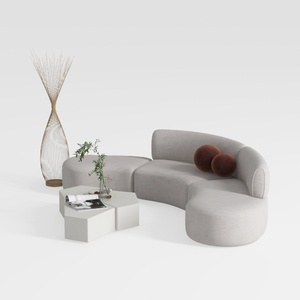
Minimalist Fabric Curved Sectional Sofa 3D Model
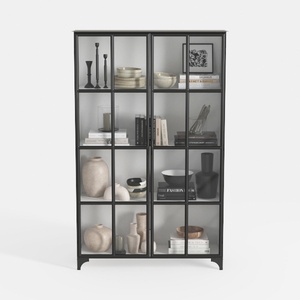
Modern Black Metal Glass Display Cabinet 3D Model

Minimalist Solid Wood Round Coffee Table 3D Model
Homestyler offers an easy-to-use online home design tool with stunning 3D renderings, inspiring design projects, and helpful DIY video tutorials. It’s perfect for turning your interior decoration ideas into beautiful, realistic visualizations. Give your home a fresh new look with Homestyler!
Progetta ora GRATIS
































