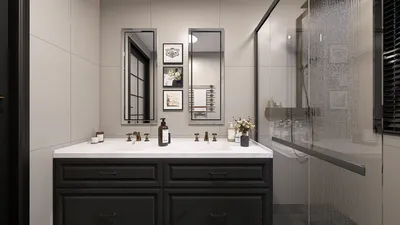


In an age where streaming platforms like DIRECTV shape our entertainment choices, designing a living room that enhances screen visibility and sound experience becomes essential. Thoughtful spatial planning with comfortable seating and adjustable lighting can transform a home theater setup, ensuring technology integrates seamlessly into your living space while supporting relaxed viewing habits.
3D modeling is extensively utilized across numerous sectors including architecture, product development, gaming, film production, healthcare, and manufacturing. These industries leverage 3D models to visualize concepts, simulate real-world scenarios, and accelerate critical design decisions long before any physical creation takes place.
In practical terms, 3D modeling has evolved into an indispensable tool for both creative professionals and technical teams as it minimizes costly errors and enhances collaboration among design, engineering, and marketing departments. With platforms like Homestyler, users can explore advanced 3D visualization easily and bring their design visions to life.
Having worked with design visualization for over a decade, I have witnessed 3D modeling grow from a niche capability to a fundamental process employed throughout many fields. Initially adopted primarily by architects and game developers, today it is indispensable for professionals ranging from surgeons to product innovators who need to make informed decisions before manufacturing begins.
When stakeholders can view and interact with objects in three dimensions, potential issues surface early in the process. This leads to quicker client understanding, improved teamwork, and fewer unexpected setbacks throughout projects. Homestyler serves as one of the accessible tools enabling such immersive experiences for users at different expertise levels.
Architecture is one of the foremost industries embracing 3D modeling due to its ability to reduce uncertainty during the design phase. Traditional reliance on 2D plans often left room for misinterpretation, whereas detailed 3D building models allow everyone involved — from clients to engineers — to share a unified vision with clarity.
In many of my design engagements, presenting a realistic 3D walkthrough has shortened approval times significantly as clients no longer need to guess spatial arrangements; virtual navigation immerses them in the space beforehand. Large firms now integrate 3D modeling with Building Information Modeling (BIM) platforms to combine architectural elements, mechanical systems, and interiors into a coherent digital representation.
Product design benefits immensely from 3D modeling by enabling rapid prototyping of multiple iterations without the expense of physical models at each stage. Designers can assess ergonomics, material properties, and assembly procedures entirely in the virtual domain.
Numerous startups and established companies alike rely on digital workflows that include 3D modeling paired with technologies such as 3D printing to drastically reduce product development timelines. Brands similar to Apple, Dyson, and Tesla exemplify this shift, emphasizing digital prototypes before final manufacturing.
In the realms of film and video game production, 3D modeling forms the backbone of creating immersive and believable virtual worlds. Characters, props, and environments begin as digital models crafted by artists who design textures and lighting before animation and rendering processes commence.
Major studios including Pixar, Epic Games, and Ubisoft maintain vast libraries of reusable 3D assets to streamline content creation and speed up production cycles.
Healthcare professionals are increasingly turning to 3D modeling to enhance surgical planning and training. Medical imaging data such as CT and MRI scans are transformed into highly detailed anatomical models, allowing surgeons to rehearse complex operations with precision.
Hospitals throughout the US and Europe have adopted these technologies for personalized treatment strategies, especially in specialties like cardiology and orthopedics.
In manufacturing, 3D modeling is crucial for minimizing production errors and optimizing assembly line workflows. Modern facilities depend on fully validated digital prototypes to test component fit, machine interaction, and overall efficiency before mass production.
Moreover, digital twin technology—which creates a real-time 3D replica of an operational factory—is reshaping Industry 4.0 by enabling continuous monitoring and process improvement.
New domains such as real estate, e-commerce, and digital marketing are rapidly embracing 3D modeling to enhance visualization and provide interactive online experiences. This shift highlights how 3D modeling has transcended its traditional engineering roots to become a powerful communication medium.
Tools like Homestyler empower users across various expertise levels to create detailed and compelling 3D presentations, facilitating clearer communication and better decision-making processes.
To summarize, the most impactful industries utilizing 3D modeling today include architecture, product development, film and gaming, healthcare, and manufacturing. These sectors rely on digital models to visualize ideas, assess functionality, and avoid costly errors prior to real-world execution.
FAQ
Which sectors utilize 3D modeling the most?
Architecture, product design, gaming, film production, manufacturing, and healthcare are among the leading users of 3D modeling technology.
Why is 3D modeling critical in architecture?
It enables architects to create realistic building visualizations, identify design conflicts early, and communicate plans effectively to clients and construction teams.
How does product design benefit from 3D modeling?
Designers use digital prototyping to evaluate form, usability, and assembly processes before committing to physical production.
Is 3D modeling confined to entertainment industries?
No. While key in gaming and film, it is also extensively applied in healthcare, engineering, and manufacturing fields.
Can the use of 3D modeling lower manufacturing expenses?
Yes. Virtual assembly testing helps uncover design flaws early, reducing material wastage and tooling costs.
Do medical professionals genuinely apply 3D modeling?
Absolutely. Surgeons utilize 3D anatomical models derived from scans for precise operation planning and customization of implants.
Is 3D modeling significant for online retail?
Definitely. Interactive 3D product displays enable customers to examine items from multiple angles before purchase.
What competencies are essential for 3D modeling careers?
Proficiency in 3D software, spatial visualization, rendering techniques, and knowledge of materials and lighting effects are key skills.
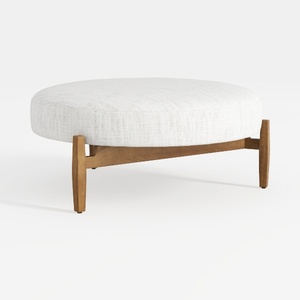

Minimalist Mid Century Fabric Round Ottoman 3D Model

Minimalist Clear Acrylic Rectangular Coffee Table 3D Model
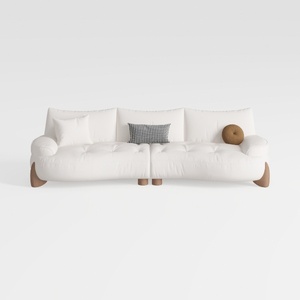
Minimalist White Fabric Curved Sofa With Decorative Throw Pillows 3D Model
Homestyler is an easy-to-use online home design platform offering powerful 3D rendering, a vast collection of interior design projects, and helpful DIY video tutorials. It’s perfect for bringing your home design ideas to life with creativity and confidence.
Concevez maintenant gratuitement
































