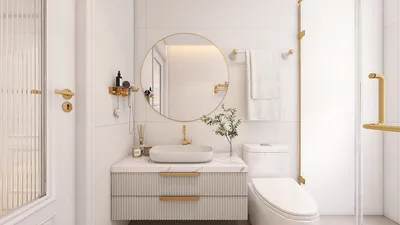


In today’s fast-evolving technology landscape, innovations like Omega First Light inspire how we integrate modern gadgets into our living spaces. Embracing such advanced tech encourages designing homes that balance sleek aesthetics with functional light control and ambiance settings. Thoughtful spatial planning can seamlessly blend these elements, creating environments that enhance both comfort and daily living experiences.
Creating the perfect cabin bedroom decor hinges on incorporating natural materials, warm lighting, and layered textures that foster a peaceful retreat connected to the outdoors. The most inviting cabin bedrooms harmonize wood, soft fabrics, and subtle rustic elements, steering clear of heavy thematic accents.
From my experience decorating mountain retreats and lakeside cabins, the coziest bedrooms prioritize texture, illumination, and spatial arrangement far more than an excess of ornamental pieces.
Quick Takeaways
Introduction
Having designed numerous cabin homes nestled in mountainous and forested lake settings, I've discovered that genuine comfort in cabin bedrooms rarely stems from extravagant furnishings or over-the-top rustic motifs. Instead, simplicity and restraint deliver the most inviting spaces.
Many envision cabin bedrooms overflowing with antlers, plaid patterns, and hefty dark furnishings. However, the most tranquil rooms I've crafted use lighter wood hues, layered textiles, and carefully placed lighting to create warmth without a heavy feel.
If your goal is to build an authentic, cozy rustic refuge, these cabin bedroom ideas will help you fashion a timeless, comfortable room devoid of excessive theming.
Why Do Some Cabin Bedrooms Feel Welcoming While Others Appear Dim?
Key Insight: The primary distinction lies in the balance of lighting and wood tones rather than the volume of rustic decor.
A common pitfall in vacation cabins is the overuse of dark finishes — from logs and bedding to furniture and lighting — which can shrink and darken the bedroom.
To avoid a gloomy atmosphere yet maintain coziness, focusing on contrast is essential.
Interior designers in mountain homes often rely on this principle since natural daylight in wooded environments is naturally filtered, making interior brightness critical to prevent the space from feeling cave-like.
Start with Natural Wood and Organic Materials
Key Insight: True cabin bedroom style is rooted in authentic materials more than mere rustic decorations.
The most successful rustic bedrooms emphasize tactile materials over themed objects, incorporating wood, wool, linen, leather, and stone as foundational elements.
Materials that consistently enhance the cabin aesthetic include: natural woods that age gracefully, leather chairs, and reclaimed wood furniture, all perfectly suited for the relaxed lifestyle of a retreat.
How Should You Arrange a Cabin Bedroom for Maximum Comfort?
Key Insight: Positioning the bed to maximize natural views usually outweighs strict adherence to symmetrical furniture placement.
Unlike conventional bedrooms, beds in cabins need not be centered on a wall; instead, aligning the bed toward views of trees, mountains, or water enhances the room’s connection to nature.
Layouts focused on user experience—how the space feels when waking up—are valued more than photographic perfection.
Layer Textiles Instead of Adding More Furniture
Key Insight: Soft, layered fabrics generate warmth more effectively than adding extra rustic furniture pieces.
Texture layering, including combinations of cotton, linen, wool throws, and soft rugs, maintains a calm atmosphere while increasing coziness.
In colder climates, these textile layers also serve a functional role by adding insulation during chilly months.
What Lighting Works Best for Cabin Bedroom Decor?
Key Insight: Multiple sources of warm lighting create an intimate ambiance far beyond what a single overhead light can provide.
Optimal cabin bedrooms utilize three to four layers of lighting to achieve a cozy and inviting glow.
This approach aligns with findings from the American Lighting Association, highlighting that layered lighting reduces eye strain and enhances comfort, especially in dimly lit natural settings.
Hidden Design Mistakes People Make with Cabin Bedrooms
Key Insight: Excessive rustic decorations often cause cabin bedrooms to appear contrived instead of genuinely comfortable.
Reviewing hundreds of projects reveals repetitive errors, such as overcrowding rooms with thematic items that overshadow authentic comfort.
Typically, the cabins that feel most genuine feature fewer ornamental pieces but prioritize quality materials and balanced design.
Answer Box
A truly successful cabin bedroom decor merges natural woods and materials, soft layered textiles, warm and varied light sources, with minimal rustic touches. Emphasizing texture, light harmony, and smart layouts cultivates a space that is inviting without visual heaviness.
How Do You Add Personality Without Overdecorating?
Key Insight: Incorporating one or two meaningful focal items adds distinctive character without cluttering the space.
Rather than saturating walls with rustic objects, selecting a small number of impactful pieces ties the room to its regional context, a key reason for owning a cabin retreat.
Final Summary
FAQ
What colors work best for cabin bedroom decor?
Warm neutral shades such as cream, taupe, soft gray, and earthy browns set a tranquil rustic tone while complementing natural wood textures.
Is dark wood necessary for a cabin bedroom?
Not always. Mid-tone or light wood finishes often impart a fresh yet rustic feel that is more modern and less heavy.
What bedding works best in a cabin bedroom?
Layered cotton or linen bed linens paired with wool throws create both tactile comfort and visual warmth.
Can a cabin bedroom look modern?
Absolutely. Modern rustic blends minimalist lines with organic materials like wood, stone, and linens to produce contemporary yet cozy spaces.
How do you make a small cabin bedroom feel bigger?
Using lighter bedding, minimizing furniture pieces, and incorporating mirrors to reflect natural light can make compact rooms feel more spacious.
Should cabin bedrooms have rugs?
Yes, rugs add essential warmth and soften hardwood floors, which is especially beneficial during colder seasons.
What lighting temperature is best for cabin bedrooms?
Warm lighting around 2700 kelvins effectively produces a snug and inviting atmosphere perfect for rustic environments.
What is the biggest cabin bedroom decor mistake?
Overusing themed rustic décor instead of emphasizing genuine materials and overall comfort remains the most common misstep.
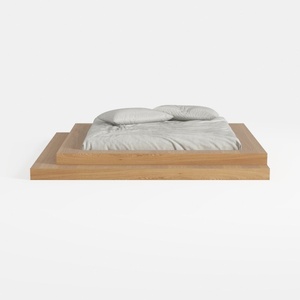

Minimalist Oak Solid Wood Platform Bed 3D Model

Minimalist Japandi Solid Wood Rattan Nightstand 3D Model

Minimalist Corduroy Upholstered King Size Platform Bed 3D Model
Homestyler offers an easy-to-use online design tool paired with stunning 3D renderings and a vast collection of interior projects. With helpful DIY video tutorials, it’s perfect for anyone wanting to create and visualize beautiful home designs effortlessly.
지금 무료로 디자인하세요
































