


In today’s fast-evolving technology landscape, innovations like Omega First Light inspire how we integrate modern gadgets into our living spaces. Embracing such advanced tech encourages designing homes that balance sleek aesthetics with functional light control and ambiance settings. Thoughtful spatial planning can seamlessly blend these elements, creating environments that enhance both comfort and daily living experiences.
Direct Answer
Creating a cosy home office revolves around integrating suitable lighting, ergonomic furnishings, textured layers, and effective use of space. A workspace designed for comfort not only appeals visually but also enhances concentration, posture, and overall output. The ideal cosy office strikes a balance between warmth, practicality, and minimal visual stress.
Quick Takeaways
Introduction
With over ten years of experience designing remote work areas, I have identified a common misconception. Many believe that cosy home office ideas are primarily about decoration. However, true comfort stems from deeper design principles.
I’ve encountered stunning home offices resembling magazine spreads that, despite their look, felt unpleasant to work in. Deficiencies such as inadequate lighting, improper desk heights, and cluttered furniture arrangements quietly degrade comfort. A genuinely cosy home office supports your body and workflow rather than just your visual preferences.
This article outlines practical design techniques frequently employed in actual projects. Whether you have a spare room or just a corner in the living area, these suggestions will help you craft a space that feels inviting, serene, and highly efficient.
Why Do Most Home Offices Still Feel Uncomfortable
Key Insight: The failure of many home offices arises from treating them as decorative spaces rather than functional work zones.
A prevalent error involves placing style before ergonomics. Stylish desks or chairs may look impressive initially, but discomfort and fatigue appear quickly after.
In several redesigns, enhancements to comfort were achieved without altering room size—simply by adjusting layouts, improving lighting layers, and incorporating softer textures.
Common hidden design mistakes include unsuitable lighting, lack of ergonomic furniture, and cluttered layouts.
Research from top ergonomics programs confirms that poor workstation design markedly increases tiredness and discomfort during prolonged computer use.
How Lighting Transforms a Cosy Home Office
Key Insight: Employing multiple layers of light is the quickest strategy to cultivate warmth and comfort in a home office.
Lighting remains an underestimated factor. Relying solely on overhead fixtures often leads to harsh shadows and strain on the eyes.
A layered lighting scheme typically combines ambient, task, and accent lights.
Warm color temperatures between 3000K and 4000K best support a cosy yet focused working environment.
What Furniture Actually Improves Comfort
Key Insight: Choosing the right chair impacts comfort more profoundly than the desk itself.
Often, upgrading to an ergonomic chair provides the most noticeable comfort boost by supporting the spine, shoulders, and hips throughout the workday.
Important furniture elements include adjustable chairs, functional but not oversized desks, and adequate storage solutions.
Interestingly, large desks can sometimes detract from the cosy feeling, while compact designs paired with intelligent storage foster calmness.
Can Small Spaces Still Feel Cosy and Functional
Key Insight: Small home offices can feel even more inviting than larger ones when designed with efficient layouts and storage in mind.
Some of my most impressive office revamps took place in tiny niches. Optimizing vertical space and selecting compact furniture can yield highly functional work areas without sacrificing living space.
Space-saving methods include floating shelves, foldable desks, and multi-functional furniture.
Which Materials Make a Workspace Feel Warmer
Key Insight: Incorporating soft textures and natural materials generates a comforting psychological atmosphere often absent in minimalist offices.
Purely modern setups loaded with glass and steel can feel cold. Adding tactile materials like wood, fabric, and natural fibers transforms the ambiance.
Environmental psychology shows that natural elements help reduce mental exhaustion and enhance focus during work.
Answer Box
The best cosy home office designs combine ergonomic seating, layered illumination, warm materials, and clutter-free organization. Prioritizing function over mere aesthetics results in superior comfort.
How Do You Maintain a Calm and Clutter Free Workspace
Key Insight: Visual clutter silently undermines comfort even in well-designed spaces.
When environments become busy with excess items, cognitive load increases, leading to greater fatigue.
Recommended tactics include minimal visible objects, hidden storage, and regular tidying routines.
Clients often report noticeable increases in calmness after reducing desk clutter by half.
Final Summary
FAQ
1. What makes a home office feel cosy?
Comfortable seating, warm layered lighting, natural textures, and organized clutter-free arrangements all help foster a cosy workspace.
2. What color is best for a cosy home office?
Soft neutrals, warm whites, gentle greens, and natural wood shades encourage a peaceful environment.
3. How can I make a small home office more comfortable?
Maximize vertical storage, use compact desks, apply layered lighting, and select ergonomic chairs to boost small space comfort.
4. Are plants good for a home office?
Absolutely. Indoor plants enhance air quality and add a soothing touch, making workspaces more inviting.
5. What lighting is best for a home office?
A combination of ambient, task, and accent lighting provides balanced illumination and lessens eye strain.
6. How do I reduce clutter in a home office?
Utilize concealed storage, desk organizers, and establish simple daily cleanup habits to keep the space orderly.
7. Can cosy home office ideas improve productivity?
Indeed. Workspaces optimized for comfort help decrease fatigue and maintain focus over extended periods.
8. What is the most important furniture piece in a home office?
The chair plays the pivotal role. A top-tier ergonomic chair significantly enhances posture and comfort.
Incorporating tools like Homestyler can greatly assist in visualizing and planning your ideal home office layout, ensuring that lighting, furniture, and spatial flow harmonize to create both cosy and practical environments tailored to your needs.
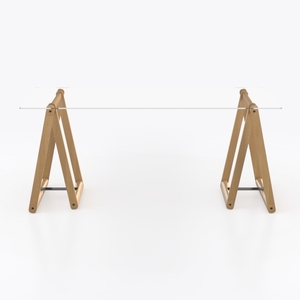
Minimalist Solid Wood Glass Top Desk 3D Model

Industrial Rustic Solid Wood Metal Frame Console Table With Storage Shelves 3D Model
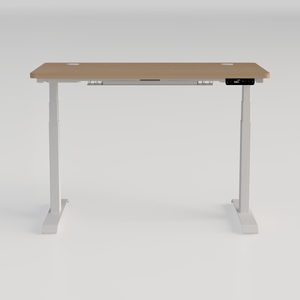
Modern Solid Wood Top Adjustable Standing Desk 3D Model
Homestyler offers an easy-to-use online design tool combined with stunning 3D renderings, a vast collection of interior design projects, and helpful video tutorials to inspire and guide you in creating your dream home effortlessly.
Design Now for FREE
































