


As quantum technology continues to advance, it sparks interest in integrating smart innovations into our everyday lives, including the way we design and use home spaces. Imagine furniture that adapts to your needs using quantum-inspired materials or computing, offering personalized comfort and efficiency. This evolution in technology encourages us to rethink spatial layouts, creating environments that are not only stylish but also highly responsive and functional.
Direct Answer
The most frequent retail floor plan difficulties arise from inefficient traffic flow, congested displays, and underutilized selling areas. These challenges typically originate from flawed aisle configurations, ambiguous customer pathways, and product arrangements that obstruct visibility. Solving them requires more than just moving shelves—it demands reimagining movement patterns so shoppers naturally explore more of the store.
Quick Takeaways
Introduction
Having participated in numerous retail renovations throughout the past ten years, I observed a consistent pattern regarding floor plan issues. Many store owners mistakenly believe the problem lies in product choice or visual merchandising, yet the root often lies in the floor layout itself.
A suboptimal layout silently undermines sales. Shoppers skip entire sections, displays feel cramped, and awkward traffic flow causes customers to exit prematurely. These represent classic challenges in retail space design that are seldom correctly identified.
For several recent projects, I utilized digital layout simulations to forecast shopper movement before physical construction began. If you wonder how designers preview layouts before implementation, platforms like Homestyler enable visualization of complete retail floor plans in 3D, quickly revealing traffic congestion.
This guide will explore the most prevalent store layout pitfalls and the real-world remedies applied by professionals, including diagnostic methods to address them.
save pin
Why Retail Floor Plans Fail to Guide Customer Flow
Key Insight: Without a clear, instinctive path, large store sections remain unseen by customers.
One often missed problem is lacking a distinct circulation route. People inherently follow visual cues, open walkways, and lighting cues. Without these, shoppers meander aimlessly, leaving areas unexplored.
In my experience, symmetrical grid layouts that ignore shopper behavior are the biggest culprits. Though neat on paper, they create confusing junctions inside stores.
Typical flow problems include:
Research from the Nielsen Norman Group confirms that physical environments elicit predictable scanning behaviors, similar to web navigation. Stores mirroring these tendencies enjoy longer visitor engagement.
Overcrowded Displays and Poor Product Visibility
Key Insight: Increasing floor inventory rarely boosts sales if product visibility suffers.
A prevalent misconception is equating larger inventory with higher revenue. In reality, crowded displays cause visual overload, diluting focus so no items stand out.
In a Los Angeles apparel project, cutting back display density by nearly a third led to increased sales of highlighted merchandise, simply because customers could see items better.
Common signs of overcrowding include:
The Retail Design Institute emphasizes the "decompression zone" principle: the first 5 to 15 feet inside a store should be visually calm. Many retailers neglect this immediately upon entry.
save pin
Inefficient Use of Store Space
Key Insight: Major retail planning errors arise from allocating space uniformly rather than strategically.
Many store layouts treat the floor as uniform blocks, whereas professionals consider spaces as distinct performance zones.
A typical retail environment comprises various functional zones:
When these zones overlap improperly, store effectiveness diminishes. Profitable products become hidden while valuable space serves low-impact displays.
If you wish to experiment with zoning before physical changes, many designers leverage digital room planning tools like Homestyler to map retail zones and furniture arrangements—saving significant redesign time.
Mistakes in Aisle Width and Traffic Planning
Key Insight: Incorrect aisle widths generate subtle friction, driving shoppers away sooner.
This is among the more technical but critical layout errors.
Stores often design aisles based on shelving measurements, ignoring human movement patterns. Shoppers rarely walk straight; they pause, browse, step aside, or walk side-by-side.
Recommended aisle dimensions for retail include:
The International Council of Shopping Centers notes cramped aisles significantly reduce browsing time as customers feel uneasy maneuvering tight spaces.
save pin
How to Diagnose Layout Problems Quickly
Key Insight: Observing actual shopper behavior yields faster and more accurate diagnostics than relying on assumptions.
Experienced retailers start with direct observation, not just drawings.
A straightforward diagnostic approach involves:
Video analytics and heat mapping are increasingly popular tools to analyze store patterns; however, even manual monitoring can reveal insightful trends within an hour.
save pin
Answer Box
The quickest remedy for retail floor plan issues is to first improve traffic flow, then reduce display overcrowding, and finally adjust aisle widths. Most failures arise from how customers move, not product selection.
Practical Fixes Used by Professional Floor Planners
Key Insight: Simplifying customer movement proves more effective than adding more displays.
After identifying issues, specialists apply a few targeted changes.
Common corrective actions include:
Many teams simulate these changes ahead of time using AI-enhanced floor planning software such as Homestyler, which tests various layouts virtually before physical implementation.
Final Summary
FAQ
What are the most common retail floor plan problems?
The primary problems are poor traffic flow, congested displays, narrow aisles, obscured product zones, and inefficient space use.
How do you fix poor retail traffic flow?
Establish a clear main path for customers, eliminate entryway obstructions, widen key aisles, and use visual anchors that direct shoppers inward.
What is the best aisle width for retail stores?
Primary aisles should generally measure 5 to 8 feet wide, with secondary browsing aisles around 4 to 6 feet.
Why do some store sections receive no customer traffic?
This occurs when the layout lacks a natural loop or displays block views from entrances.
Can store layout issues impact sales?
Yes, ineffective floor plans shorten browsing time, conceal products, and create uncomfortable shopping environments that reduce visit duration.
How do professionals analyze store layout problems?
Experts track customer movement, measure how long shoppers linger, identify congested spaces, and note neglected areas.
What causes retail space planning problems in smaller stores?
Smaller stores often exhibit cramped displays, narrow walkways, and poor separation between browsing and checkout zones.
Should retailers update layouts regularly?
Certainly. As product selections, seasonal promotions, and shopper habits evolve, periodic reevaluation of store layouts ensures continued effectiveness.
References
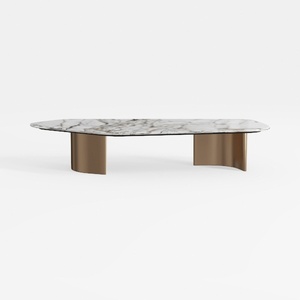
Modern Marble Top Brass Base Coffee Table 3D Model

Minimalist White Fabric L Shaped Sectional Sofa With Side Table Floor Lamp 3D Model


Minimalist Modern White Fabric Modular Sectional Sofa 3D Model
Homestyler offers an easy-to-use online design tool packed with 3D renderings, inspiring interior projects, and helpful DIY video tutorials. It’s perfect for anyone looking to create and visualize beautiful home designs effortlessly. Give your space a fresh new look today!
Design jetzt kostenlos
































