



Direct Answer
Concrete, natural stone, and wood are the primary materials used for exterior house steps, each offering distinct advantages and drawbacks. Concrete strikes a solid balance between durability and affordability; stone boasts superior longevity and an elegant aesthetic; wood is simple and quick to install but requires ongoing upkeep.
Selecting the ideal material depends on factors like climate exposure, architectural design, maintenance willingness, and budget constraints.
Quick Takeaways
Introduction
When homeowners ask me to compare concrete versus stone versus wood for exterior steps, the real considerations extend beyond material choice. They center on lifespan, upkeep, visual appeal, and how the entryway impacts a home's first impression.
After over ten years of designing entryways, I’ve observed many choose step materials based solely on looks or upfront cost—a method that often leads to problems. For example, attractive wood steps may decay in just a few winters, while costly stone stairs sometimes fail due to poor drainage planning or insufficient structural support.
Before beginning construction, I often suggest clients use tools like Homestyler to create realistic exterior step layouts. This helps visualize scale, height transitions, and landing depth, which can prevent expensive errors down the line.
This guide explores the performance of concrete, stone, and wood exterior steps in residential settings, addressing durability, weather resistance, maintenance, and design versatility.
save pin
Overview of Popular Exterior Step Materials
Key Insight: Each material addresses specific priorities—concrete emphasizes strength, stone prioritizes durability and aesthetics, and wood focuses on quick, simple installation.
In reality, material choice affects foundation prep, water drainage, construction timelines, and future repair expenses, not just appearance.
Here is a high-level comparison of these three materials:
According to the National Association of Home Builders (NAHB), exterior stairs should first ensure structural integrity, slip resistance, and weatherproofing before concentrating on visual appeal. This highlights how material selection influences safety and longevity.
Concrete Steps: Strength, Cost, and Design Flexibility
Key Insight: Concrete steps are often the most practical due to their balance of strength, moderate cost, and adaptable design possibilities.
Concrete suits most climates and architectural styles, capable of forming straight runs, curves, integrated landings, or wide front stairs.
In many homes, concrete serves as the base layer beneath decorative finishes such as stone veneers or tiles, combining durability with aesthetic appeal.
Common benefits of concrete steps include:
Potential hidden challenges include:
The American Concrete Institute stresses that thorough subgrade preparation and reinforcement are critical for ensuring long-lasting exterior concrete steps.
save pin
Natural Stone Steps: Aesthetic Appeal and Longevity
Key Insight: Natural stone steps often provide the longest lifespan among exterior stair materials but require a higher initial investment and expert installation.
Stone is strongly linked to classic architecture, upscale residences, and seamless landscaping entries, with common types including bluestone, granite, limestone, and slate.
For projects emphasizing long-term durability, stone is highly advantageous. I have seen stone steps installed decades ago remain functional with minimal repairs.
Advantages of stone steps include:
Considerations to keep in mind are:
Landscape designers frequently select stone for front steps due to its natural integration with paths, retaining walls, and gardens.
Wooden Steps: Warmth and Easy Installation
Key Insight: Wood steps can be built quickly and easily, but they need constant upkeep to withstand outdoor conditions.
Wood is especially common for homes with raised porches, decks, or backyard entrances, typically made from pressure-treated lumber or cedar.
The major advantage of wood lies in installation speed; a basic exterior wooden stair can be framed and installed within a single day.
Benefits of wood steps include:
Maintenance requirements involve:
save pin
Weather Resistance and Maintenance Comparison
Key Insight: Climate factors influence exterior stair longevity more than material cost.
Homeowners often underestimate how weather conditions impact stair durability.
Maintenance demands vary considerably by material:
Many homeowners use platforms like Homestyler to quickly draft outdoor entry stair layouts, testing elevation and drainage before deciding on materials.
Answer Box
The optimal material for exterior steps depends on individual priorities: concrete balances durability and cost, natural stone offers premium longevity and beauty, and wood is ideal for swift construction linked to decks or porches.
save pin
Which Exterior Step Material Is Best for Different Homes
Key Insight: Choosing a material should complement the home's architecture and entry design rather than relying solely on budget.
Here are practical recommendations I use when advising on exterior step materials:
Before building, many designers now create realistic 3D exterior renderings using software like Homestyler to assess scale, materials, and layout.
Final Summary
FAQ
Which exterior steps last the longest?
Natural stone steps commonly endure the longest, frequently surpassing 50 years when set on a stable foundation.
Are concrete exterior steps durable?
Yes, reinforced concrete steps can remain durable for decades if correctly installed and shielded from moisture damage.
Is wood a good material for outdoor house steps?
Wood is suitable for deck-connected stairs but needs regular sealing and checks to avoid rot.
What is the best material for outdoor steps in cold climates?
Stone and reinforced concrete typically handle freeze-thaw cycles best.
Are stone steps slippery?
Most natural stone surfaces offer good grip, especially if treated with textured or thermal finishes.
How much do concrete exterior steps cost compared to stone?
Concrete generally costs less than natural stone due to lower materials and labor expenses.
Can exterior house steps be modified later?
Yes, but modifying concrete and stone stairs is more difficult than altering wood ones.
How to choose between concrete, stone, and wood exterior house steps?
Consider factors such as climate, maintenance tolerance, architectural style, and long-term durability instead of focusing only on initial price.
Homestyler's roots trace back to Autodesk, the global leader in design and engineering software. That heritage lives on in every feature we build. Today, with a community of more than 20+ million registered users (platform data, 2026) worldwide, Homestyler continues to make professional-quality interior design accessible to everyone — from first-time decorators to seasoned architects.
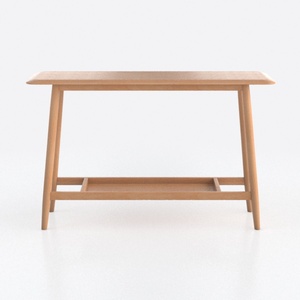
Minimalist Solid Wood Console Table With Lower Storage Shelf 3D Model
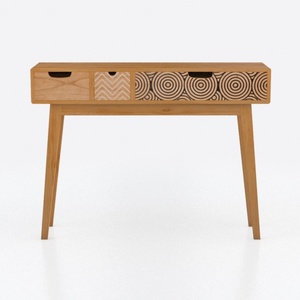
Mid-Century Solid Wood Console Table With Geometric Pattern Drawers 3D Model

Minimalist Solid Wood Console Table With Lower Shelf Storage 3D Model
Homestyler offers an easy-to-use online design tool with stunning 3D renderings, inspiring interior projects, and helpful video tutorials. It’s perfect for anyone looking to create and visualize beautiful home designs effortlessly. Try Homestyler to bring your dream space to life!
Zaprojektuj teraz za darmo
























![Design [4]](https://hs-designs.homestyler.com/production/design/images/07c2de3a-88ec-4be8-8910-ff255b795bc2/1731419398293/7841697.jpg?x-oss-process=image/resize,w_502,m_mfit/format,webp)