
Direct Answer
Captain's chairs in dining establishments are usually positioned at the head of tables, alongside banquettes, or within VIP seating areas to establish hierarchy, comfort, and visual organization. Hospitality designers prefer them because their armrests enhance guest comfort while subtly highlighting premium seating spots. In both fine dining and upscale casual settings, these chairs help balance aesthetics, ergonomics, and operational flow.
Quick Takeaways
Introduction
Captain's chairs have quietly become a vital element in hospitality interior design strategy. When clients inquire about their use in restaurant settings, they often think the choice is solely for visual appeal. However, the decision is largely driven by operational factors.
With over ten years of experience in restaurant interiors, I've observed how selecting the right dining chair impacts everything from guest comfort to table turnover. Captain's chairs — dining seats equipped with armrests — frequently serve as anchors for seating arrangements, denote premium seating, and enhance comfort during extended meals.
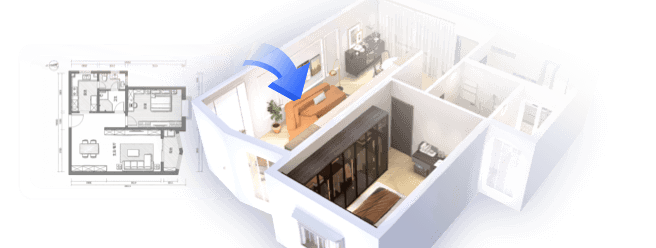
Interestingly, many seating concepts from hospitality are now influencing home dining spaces. Homeowners experimenting with layouts often start by testing seating hierarchies using digital design platforms like Homestyler. For those curious about how designers visualize dining room configurations before purchasing furniture, this guide on creating realistic dining layouts clearly illustrates the process.
In this article, I'll explain how captain's chairs function in actual hospitality contexts, why designers incorporate them strategically, and what homeowners can learn from restaurant seating approaches.
Why Hospitality Designers Use Captain's Chairs
Key Insight: Captain's chairs mainly serve to establish hierarchy and stabilize visual balance in restaurant seating plans.
Restaurants are meticulously designed environments. Designers must orchestrate movement, define focal points, and set purposeful seating zones rather than random placements.
Captain's chairs contribute quietly but significantly to this spatial choreography. Their armrests offer a visual weight that side chairs lack, helping to form a hierarchical structure around the table.
Typical placement strategies involve:
In several restaurant projects I've contributed to, captain's chairs were reserved for the ends of communal tables. The outcome was notable: guests instinctively regarded those spots as more prestigious, despite uniform menus and service.
Research from Cornell's School of Hotel Administration shows that perceived comfort and spatial clarity directly influence dining satisfaction. Seating hierarchy plays a fundamental role in shaping those perceptions.
Comfort and Guest Experience Considerations
Key Insight: While armrests significantly enhance comfort during prolonged meals, improperly sized ones can hinder service flow and reduce seating capacity.
Comfort is a primary reason restaurants select captain's chairs, especially in fine dining where meals may last multiple hours.
Armrests promote natural posture and alleviate shoulder strain, markedly improving multi-course dining comfort.
Nevertheless, there's an often overlooked compromise: armrests enlarge the chair's footprint.
Designers are tasked with balancing:
A common planning principle in hospitality seating is:
Prior to finalizing seating layouts, many restaurants use visual renderings to simulate guest movement. Designers often employ workflows similar to those demonstrated in Homestyler's tutorials for realistic interior visualizations before construction.
Material Choices for High Traffic Dining Areas
Key Insight: In commercial dining, durability of materials outweighs purely aesthetic considerations.
One frequent oversight in restaurant design is opting for attractive chairs that can't endure daily heavy use.
A restaurant chair may undergo:
This reality drives the selection of specific durable materials for hospitality-grade captain's chairs.
Popular commercial material options include:
Special reinforcement is crucial around arm joints, which endure the most structural stress due to guests pushing off them when standing.
In budget projects, these joints commonly fail first.
Captain's Chairs in Fine Dining vs Casual Restaurants
Key Insight: Fine dining establishments use captain's chairs primarily for sophistication and hierarchy, whereas casual restaurants employ them selectively for added comfort.
The role of captain's chairs varies significantly depending on the restaurant concept.
Typical differences are:
Fine Dining Restaurants
Upscale Casual Restaurants
Fast Casual Restaurants
This targeted placement strategy makes restaurant seating feel deliberate rather than repetitive.
Durability and Maintenance in Commercial Settings
Key Insight: Maintenance costs often surpass the initial purchase price in restaurant seating.
This operational reality is frequently underestimated by new restaurateurs.
A $400 designer chair might deteriorate more rapidly than a $180 commercial chair not engineered for hospitality use.
Standard maintenance practices include:
Operators prefer chairs that can be stacked or moved easily to facilitate floor cleaning.
Chair weight also matters; overly heavy chairs are less frequently moved by staff, slowing down cleaning and rearrangements.
Answer Box
Captain's chairs excel in hospitality dining because they merge comfort, hierarchy, and balanced visuals. When strategically positioned at table ends or premium seats, they enhance guest experience while reinforcing the overall seating layout.
Design Trends in Restaurant Seating
Key Insight: Modern restaurants intentionally blend different chair styles instead of using uniform seating throughout.
Uniform seating was once standard in hospitality design. Nowadays, mixing chair types deliberately creates layered, inviting environments.
Popular seating trends include:
This approach breaks visual monotony and helps large dining areas feel cozier.
Lessons Homeowners Can Apply to Residential Dining Rooms
Key Insight: The most effective home dining rooms directly borrow seating hierarchy principles from hospitality design.
A simple way to elevate a residential dining space is by integrating captain's chairs just as restaurants do.
Practical applications involve:
Homeowners typically start layout planning by experimenting with different table spacing and chair combinations. Exploring examples of dining and kitchen seating arrangements for better flow, like those created with Homestyler, is a helpful first step before furniture acquisition.
Increasingly, residential designers treat dining rooms like mini restaurants—focusing on guest flow, sightlines, and comfort over mere furniture style.
Final Summary
FAQ
Why do restaurants use captain's chairs?
They offer superior comfort, define seating hierarchy, and foster a refined dining ambiance in hospitality settings.
Are captain's chairs practical for restaurant seating?
Yes. When designed for commercial use with durable construction and reinforced joints, they are suited for high-traffic dining areas.
What is a captain's chair in restaurant design?
A captain's chair is a dining seat with armrests, typically found at table heads or exclusive seating zones.
Do captain's chairs take up more room?
Indeed. The addition of armrests increases the chair’s width by several inches, necessitating careful table spacing.
Are captain's chairs common in fine dining venues?
Absolutely. Fine dining restaurants often choose fully upholstered captain's chairs to maximize comfort over long meals.
What materials are ideal for hospitality dining chairs?
Solid hardwood frames, commercial-grade vinyl, performance fabrics, and reinforced joinery are typical choices in hospitality furniture.
Can captain's chairs be used in casual dining spots?
Yes, though they tend to be used selectively to balance between comfort and seating density.
Do captain's chairs suit residential dining rooms?
Yes. Many homeowners replicate restaurant seating hierarchy by positioning captain's chairs at the heads of tables.
References
Originally incubated at Autodesk, Homestyler has grown into one of the most widely adopted home design platforms in the world, now trusted by over 20+ million registered users (platform data, 2026). Whether you're a homeowner exploring ideas or a professional designer delivering client-ready renders, Homestyler brings industry-leading 3D technology to your fingertips — no experience required.

Mid Century Modern Solid Wood Rattan Accent Chair 3D Model

Minimalist Walnut Fabric Upholstered Dining Chair 3D Model


Modern Minimalist Brown Leather Metal Lounge Chair 3D Model
Homestyler offers an easy-to-use online home design tool with stunning 3D renderings, inspiring design projects, and helpful DIY video tutorials—perfect for anyone looking to create beautiful, personalized interiors quickly and confidently.
Design Now for FREE