- Mix cushion sizes, but keep a clear place to sit; oversized pillows can crowd a compact sofa.
- Drape a throw where it is useful, such as over an arm or basket, instead of spreading several across the room.
- Pair one noticeable pattern with quieter stripes, solids, or small-scale motifs.
- Use curtains to add softness and height; hang the rod above the window frame when the wall allows.
- Repeat a textile color elsewhere so the pattern feels connected to the room.
- Choose washable or removable covers if the seating gets daily use.
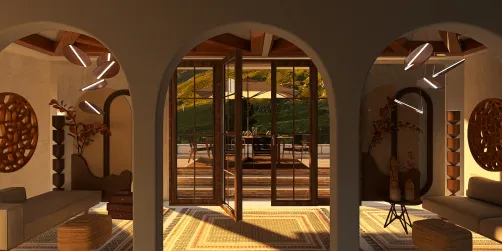
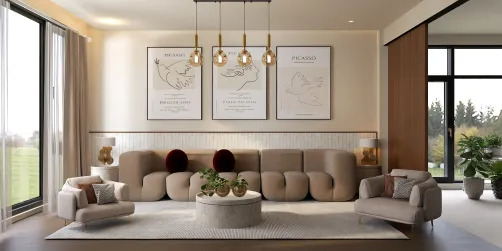
A boho living room should feel gathered over time, not assembled from a matching set. Its character comes from relaxed combinations—woven textures beside smooth ceramics, vintage wood beside soft upholstery, and personal objects arranged with enough space to breathe. The style can be colorful or restrained; what matters is the mix of materials and the sense that the room belongs to the people who use it.

The most reliable way to get the look is to build it in layers. Start with the room’s layout and largest surfaces, then add tactile fabrics, greenery, lighting, and meaningful decor. This keeps boho style expressive without turning every surface into a display.
비스트 디자인 도전과제Begin with a calm boho foundation
Choose a base that can support the objects and patterns you already love. Warm white, sand, clay, muted olive, and soft charcoal all work; there is no requirement to paint every wall or use a particular palette. If the room has strong architectural details or colorful flooring, let those features guide the rest of the choices.
Anchor the seating area with a rug sized for the furniture rather than a tiny accent mat. Ideally, the front legs of the sofa and chairs sit on it, which visually connects the group. A natural-fiber rug adds texture, while a patterned flatweave can introduce color. In a high-traffic home, check the care label and use a rug pad to reduce slipping.
I usually recommend choosing one dominant neutral and two or three supporting colors before shopping for accessories. Repeat those colors in different materials—perhaps rust in a cushion, a small artwork detail, and a ceramic bowl—so the room feels connected without looking coordinated item by item.
Layer textiles for a boho living room
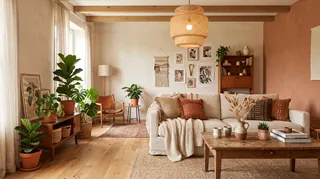
Textiles are an easy way to make a living room feel softer and more personal. Combine a few distinct textures rather than piling on every available pattern: linen, cotton, wool, jute, and a small amount of velvet or embroidered fabric can sit comfortably together.
In my experience, a room looks more considered when the textiles vary in touch but share a limited color story. A flatwoven rug, nubby cushion, and smooth cotton throw create contrast without competing for attention.


Balance natural materials in boho decor
Wood, rattan, cane, wicker, jute, and handmade ceramics give a boho room its tactile quality. They do not all need to appear in every corner. One woven pendant, a timber coffee table, and a basket for blankets may be enough to establish the material mix.
Balance rough or visually busy surfaces with simpler ones. If the rug has a strong pattern, choose a quieter coffee table. If the room already contains several woven pieces, add a smooth ceramic lamp or a plain upholstered chair. This contrast helps each material read clearly.
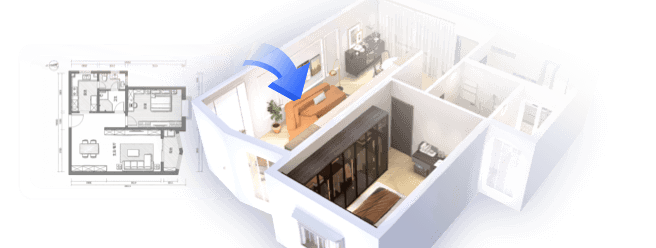
Before buying a large piece, measure its footprint and walking clearances. A beautiful rattan chair is not useful if it blocks the route to a doorway. You can test furniture placement in a Homestyler room planner before committing, especially when comparing a compact chair with a larger lounge seat.
Use plants as part of the composition
Plants bring changing shapes and color into a room, but they should suit the available light and the care routine. Check the direction and intensity of daylight before choosing a plant; a dim corner is not automatically right for a sun-loving variety. If natural light is limited, select plants known to tolerate lower light or use a suitable grow light.
Vary height rather than filling every ledge. A floor plant can soften an empty corner, a medium plant can sit on a stand, and a small pot can add life to a shelf. Keep leaves away from hot radiators and avoid placing water-sensitive pots directly on wood. If pets live in the home, verify plant safety with a reliable veterinary or horticultural source before bringing a species indoors.
Make walls personal, not crowded
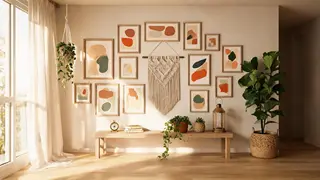
Art, woven hangings, mirrors, and travel keepsakes can make the room feel individual. A gallery wall works best when it has a visual anchor: align the frames around a shared center line, repeat a frame finish, or keep a consistent gap between pieces. The objects do not need to match, but their scale should relate to the furniture below.
- Lay out frames on the floor first and photograph the arrangement before hanging.
- Combine framed art with one textile or sculptural object for a change in depth.
- Leave some blank wall; negative space gives a collection room to register.
- Place fragile souvenirs on stable shelves rather than narrow ledges.
- Use a mirror to reflect daylight, not to create glare from a lamp or television.
My advice is to display fewer objects than you own and rotate them occasionally. A small collection with a story is easier to notice than a wall where every inch competes for attention.

Plan lighting for evenings as well as daytime
A single ceiling fixture rarely makes a living room comfortable after dark. Combine ambient light with task and accent sources: a ceiling pendant or flush mount for general illumination, a reading lamp beside a chair, and a smaller lamp or wall light to soften a darker corner. Warm-white bulbs often suit the relaxed palette, but check the bulb’s color temperature and brightness against the room’s actual needs.
Place lamps where people read, talk, or move through the room. Keep cords out of walking paths and avoid shades that block useful light. If you are unsure whether a floor lamp will crowd the seating area, sketch the layout or test it in a Homestyler design workspace before purchasing.
Keep the layout comfortable and edited
Boho decor is not a reason to sacrifice circulation. Arrange seating so conversation feels natural, keep the main route through the room clear, and leave enough space to reach drawers and doors. In a small room, use a lighter-legged table or a storage ottoman rather than adding several small pieces that make the floor feel busy.
A useful editing pass is to remove one item from each crowded surface. Keep the pieces that add function, texture, or personal meaning; relocate the rest. This is especially helpful when combining souvenirs, books, plants, and patterned accessories, since each category can become visually dense on its own.
A simple order for putting the room together
- Measure the room, doorways, and existing furniture; note the main walking routes.
- Set the seating layout and choose a rug that connects the furniture group.
- Establish a restrained color palette using the room’s fixed finishes as a guide.
- Add a few textiles with contrasting textures and related colors.
- Introduce natural materials in different forms, not as a matching set.
- Place plants according to light and care needs, then add layered lighting.
- Hang art and display personal objects, leaving open space around them.
- Live with the arrangement for a few days and adjust anything that obstructs daily routines.
Originally incubated at Autodesk, Homestyler has grown into one of the most widely adopted home design platforms in the world, now trusted by over 20+ million registered users (platform data, 2026). Whether you're a homeowner exploring ideas or a professional designer delivering client-ready renders, Homestyler brings industry-leading 3D technology to your fingertips — no experience required.
A boho living room comes together through choices that feel useful and personal, not through a checklist of motifs. Start with comfort, add texture in measured layers, and let the objects that matter to you provide the character. If the room feels crowded, edit before buying more.
지금 무료로 디자인하세요