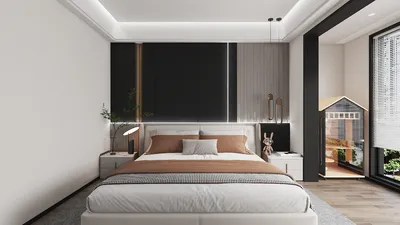


In today’s connected homes, the integration of a versatile TV app transforms how we interact with our living spaces. As streaming services become central to entertainment routines, designing a cozy media nook with ergonomic seating and adjustable lighting enhances both comfort and viewing experience. Thoughtful spatial planning ensures that technology blends seamlessly with home aesthetics, creating an inviting area tailored for relaxation and digital enjoyment. Utilizing tools like Homestyler, homeowners and designers can effortlessly visualize and optimize such environments to maximize both functionality and style.
A few years ago, I nearly sent a client a presentation that showcased a stunning 3D family positioned in a living room layout I had designed. Everything appeared flawless—until a colleague casually questioned the source of the model. Upon reviewing the license, I discovered it was restricted to "editorial use only." That small oversight might have triggered a legal nightmare in a paid project.
Since then, my approach to asset licensing has become somewhat meticulous. When crafting realistic 3D floor plan visualizations that include people, the character models are more than mere decoration; they are valuable digital assets governed by ownership rights, constraints, and occasionally unexpected regulations.
Compact spaces often compel designers like myself to employ creativity in storytelling through visuals. Including human figures enables clients to better perceive scale, movement, and daily activities. However, selecting an improperly licensed model can turn an intelligent design showcase into a copyright liability.
This article explores the most common licensing challenges encountered over the years and shares my personal methods for avoiding them while working on architectural renderings.
Understanding Why Licensing Is Crucial for 3D Human Models
Early in my profession, I mistakenly believed "free download" implied "free for any use." This assumption is hazardous. Numerous human models come with limitations on redistribution, commercial exploitation, or alterations.
Within the realm of architectural visualization—especially in real estate marketing or client demos—your renderings almost invariably qualify as commercial content. Using a model without a commercial license could technically infringe copyright laws.
I’ve witnessed entire studios having to redo full render sets simply because one background character lacked the proper license. Trust me, verifying the license before asset placement saves considerable effort and risk.
Common License Categories for Free 3D Assets
Most free human models fall under several typical license types. Once you grasp these categories, navigating usage rights becomes more manageable.
Creative Commons licenses are widespread. Some permit commercial applications with proper attribution; others forbid commercial use altogether. Then there are royalty-free licenses, which usually allow broader utilization but restrict redistribution of the original files.
I personally maintain a detailed spreadsheet tracking asset licenses for each project. Though it may sound meticulous, it has protected me multiple times during client reviews.
The Risks of Using Unverified Human Models
The most significant risk is straightforward: many models get reposted on websites without preserving the original licensing. Designers may download them assuming they are free, though the original creators never authorized such use.
There have been cases where paid, licensed models appeared illegally on "free" sites. Using them unknowingly in marketing visuals can expose designers or studios to legal liability.
This risk escalates when you render a comprehensive home interior in 3D for advertising or property listings with wide distribution.
How to Confirm Model Licensing Before Incorporation
My protocol is simple: if I cannot explicitly verify the license, I refrain from using the model. The risk isn’t worth it.
I consistently check three key aspects: the license type, permissions for commercial use, and whether attribution is mandatory. If attribution is required, I immediately document it to avoid omissions during publishing.
Another habit I’ve picked up is saving screenshots of the license details upon downloading assets. This practice safeguards against future changes to website terms.
Reliable Sources for Free Human Figures
Over time, every professional curates a list of trustworthy repositories. I tend to use reputable libraries that clearly display license specifications and creator credits.
Platforms allowing unmoderated uploads pose risks. The safest sources feature structured licensing protocols and transparent usage guidelines.
Even then, I double-check licensing before inserting any character into architectural scenes. It only requires a moment but protects the entire project’s integrity.
Best Practices for Commercial Use of 3D Floor Plans
When preparing visuals for commercial application, I follow a straightforward workflow: verify licenses, document sources, and avoid dubious downloads. This routine has kept my projects free from legal troubles.
I also prefer assembling scenes using assets from dependable ecosystems that facilitate accurate digital floor planning workflows. When assets, models, and rendering tools operate within an integrated system—such as those supported by Homestyler—license transparency is typically enhanced.
Ultimately, outstanding design is not just about aesthetics but also responsibility. A well-staged 3D floor plan should inspire confidence in clients without exposing anyone to copyright risks.
Frequently Asked Questions
1. Can free 3D human models be used commercially?
Some models do permit commercial use; others do not. It’s essential to examine the license terms. Numerous free models are restricted to personal use only, while some allow commercial use with appropriate attribution.
2. Which license type is safest for architectural visualization?
Royalty-free licenses or Creative Commons licenses that permit commercial use—such as CC BY—are generally the safest choices. Always confirm if attribution is necessary.
3. What are the consequences of using a model with an incorrect license?
You may face copyright infringement claims, demands for content removal, or even legal action. In commercial real estate marketing, such mistakes can also damage a studio’s professional reputation.
4. Are models from "free asset" websites always legally safe?
No. Some platforms host pirated or re-uploaded models without proper permissions. If the license source is unclear, the best course is to avoid using those assets.
5. Is crediting the model creator required in renders?
If the license stipulates attribution, then yes. For example, Creative Commons BY licenses mandate giving appropriate credit to the original author.
6. Can I alter a free 3D human model?
Many licenses allow modifications, but some forbid derivative works. Always verify whether the license includes a "No Derivatives" (ND) clause.
7. Where can official Creative Commons license details be found?
The Creative Commons organization provides comprehensive explanations at https://creativecommons.org/licenses/, recognized as the authoritative source.
8. Why do designers include people in 3D floor plans?
Human models help convey scale, lifestyle, and flow within a space. They make architectural visuals more relatable and realistic to clients.
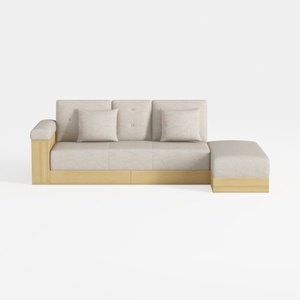
Minimalist Linen Solid Wood Sectional Sofa 3D Model
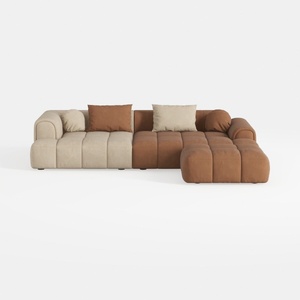
Modern Velvet Sectional Sofa, U Shape Minimalist M
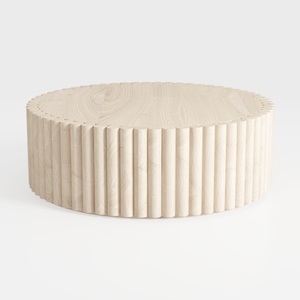
Minimalist Solid Wood Fluted Round Coffee Table 3D Model
Homestyler offers an easy-to-use online design tool with stunning 3D renderings, a vast collection of interior decoration projects, and helpful DIY video tutorials. It’s perfect for anyone wanting to create and visualize beautiful home designs effortlessly.
Zaprojektuj teraz za darmo
































