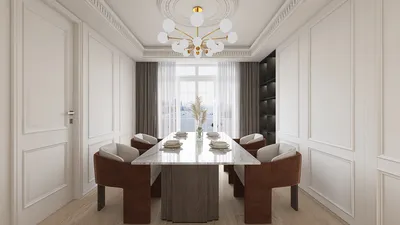


The evolving "state of play" in technology has transformed how we interact with our living spaces, blending digital innovation seamlessly into home environments. As gadgets become central to daily routines, thoughtful spatial design now emphasizes integrating smart devices with comfortable furniture, creating versatile zones for work, relaxation, and entertainment within the home. For real estate professionals, tools like Homestyler have become essential in leveraging this digital shift to visualize and stage homes effectively.
Executive Summary
In today's real estate market, the first viewing usually occurs on a screen. Prospective buyers browse listing images and quickly decide whether to schedule a showing or continue searching. AI-powered interior design solutions have become invaluable in crafting impactful first impressions—transforming vacant rooms into engaging lifestyle visuals, illustrating renovation possibilities without the need for contractors, and enhancing buyer presentations to secure listings. This article explores how agents can harness AI for staging concepts, listing imagery, empty room visualization, renovation previews, buyer showcases, and property promotion, all within a framework of transparency and ethical representation.
Why Real Estate Agents Are Embracing AI Interior Design
Traditional home staging is effective but involves considerable expense, time, and logistical challenges. The National Association of Realtors reports that 81% of buyer’s agents believe staging helps buyers envision a home’s potential, yet conventional staging costs typically range from $1,500 to $3,000 and requires several days to coordinate. AI-based interior design solutions condense this process to minutes and substantially reduce costs.
What has drastically improved is the quality of virtual staging. Earlier methods resembled rudimentary photo manipulations, but modern AI tools comprehend perspectives, natural lighting, and architectural detail. They generate highly realistic furniture arrangements, accurately respecting room dimensions and sightlines. For agents, this means producing listing-ready images without physically moving furniture.
Beyond simple staging, AI interior design supports the wider real estate workflow by enabling renovation previews for fixer-uppers, style-customized variations for buyers, and marketing collateral compatible with MLS, social media, and print formats.
Key Applications for Real Estate Professionals
Virtual staging remains the most straightforward use case. By uploading an image of an empty room and choosing a design style—be it modern, Scandinavian, transitional, or farmhouse—the AI quickly outputs a fully furnished rendition. This is invaluable for both vacant properties and occupied homes where sellers cannot keep a show-ready appearance. Tools like Homestyler streamline this process with intuitive interfaces and realistic results.
For properties that are lived in, many AI applications now feature automatic furniture removal or decluttering. The AI identifies and removes existing items digitally, then stages the space anew. Agents can present buyers with side-by-side comparisons of the actual and virtually staged photos to clarify what is present and what potential improvements look like.
Properties needing renovation pose challenges for buyers imagining future use. Worn carpets, outdated cabinetry, or awkward layouts often deter interest. AI design platforms with renovation preview capability showcase "after" concepts—such as a 1990s kitchen reimagined with modern open shelving and quartz countertops or a dark basement converted into a bright office space—helping buyers perceive value in otherwise overlooked homes without requiring professional designers.
New builds or pre-drywall homes also struggle in visualization. Buyers cannot easily envision finished spaces from bare studs or concrete slabs. AI-powered design tools fill this gap by creating furnished room images from floorplans or shell photos, giving builders and agents marketing materials well before models are completed. This approach extends to pre-listing walkthroughs, allowing sellers to see virtual staging before investing.
Securing a listing often hinges on presentation. Agents who arrive with AI-generated staging concepts—depicting a living room in cozy minimalism, a primary bedroom as a serene retreat, or the basement as a theater room—exude preparedness and insight. Such visuals provide compelling evidence that the agent understands the property’s full potential.
A practical tip is to stage three to four main rooms with two distinct style options each. Printing these on presentation boards for meetings and offering a digital portfolio labeled "Virtually Staged Concepts" on a tablet can impress sellers. This affordable yet impactful strategy sets agents apart from competitors relying solely on comparative market analysis printouts.
AI-generated interior designs directly fuel multi-channel marketing efforts. Staged images, properly labeled as "Virtually Staged," enhance MLS listings, become engaging social media content like carousels or reels, and populate brochures, flyers, and email blasts. Furthermore, the same AI can create style variations tailored to diverse buyer profiles—such as a modern aesthetic for millennials on Instagram and a traditional look for multi-generational families on Facebook.
Speed is a major advantage; agents can create a comprehensive marketing package for a new listing in under 30 minutes and deploy it across various platforms immediately.
A Step-by-Step AI Staging Workflow for Agents
To incorporate AI interior design effectively in listings, agents can follow a repeatable workflow integrating these tools at each stage of the sales process.
Selecting the Appropriate AI Interior Design Solutions
The current market offers a diverse array of AI staging and interior design tools, each with unique features. Comparative analyses reveal that platforms combining AI-powered staging, floor plan generation, and 3D rendering deliver the most comprehensive experience. Homestyler is a strong example, catering to both residential and commercial projects with user-friendly design capabilities.
When choosing a platform, agents should prioritize automation from photo to staged image with photorealistic quality, clear disclosure labels for regulatory compliance, style options aligned with market preferences, and export capabilities compatible with marketing software like Highnote, Canva, and social platforms.
Ethical Considerations and Transparency in AI-Enhanced Listings
While AI interior design offers powerful marketing advantages, it carries the responsibility of truthful representation. Misleading visuals can erode buyer trust, violate MLS rules, and expose agents to legal risks.
Adherence to ethical guidelines includes disclosing virtual staging clearly. The REALTOR Code of Ethics mandates avoiding misrepresentation; AI staging should aid buyer imagination without concealing property flaws, distorting dimensions, or fabricating unrealistic conditions.
Integrating AI into the Whole Real Estate Workflow
AI interior design is most beneficial when embedded into an agent's comprehensive operating procedures rather than as a standalone gimmick. Example integrations include:
• Pre-listing consultations: Produce virtual stage previews to show sellers their home's potential digitally, before any physical staging expenses.
• Listing preparations: Generate complete visual assets—including staged photos, style alternatives, and renovation concepts—in a single session, ready for MLS upload, social sharing, and print distribution.
• Buyer engagement: Provide furnishing ideas customized to buyers’ tastes to facilitate decision-making on specific properties.
• Open houses and showings: Use AI concepts displayed on tablets or printed boards as conversation starters, clearly labeled to differentiate them from current conditions.
• Post-sale value-add: Gift buyers AI-generated interior layouts as a personalized closing present, encouraging referrals and repeat business.
For further insights on comprehensive AI applications extending beyond staging, including room-specific strategies and rendering processes, consult detailed AI home design guides.
Frequently Asked Questions
Q: Is AI virtual staging ethical in real estate? A: Yes, provided images are transparently labeled as "Virtually Staged" or "Digitally Altered," original photos are preserved for reference, and permanent structural features remain unaltered. The objective is to assist buyers’ visualization, not to mislead.
Q: How do AI staging costs compare to traditional staging? A: AI platforms typically use subscription models with costs per image in cents, a fraction of the $1,500 to $3,000 traditional staging expense. Moreover, AI staging delivers results within seconds versus days.
Q: Can AI staging be effective for occupied homes? A: Absolutely. Many AI tools feature decluttering or furniture removal to virtually refresh rooms. Best practice is to offer both the original and staged photos side by side, clarifying existing versus conceptual appearances.
Q: Do AI-staged photos cause disappointment when buyers visit in person? A: Not if expectations are managed well. Present both sets of images with clear labeling and emphasize the conceptual nature during showings to align buyer perspectives.
Q: Can AI visualize renovation potential for fixer-uppers? A: Yes. Many platforms support renovation previews that transform kitchens, bathrooms, basements, and exteriors with updated features, enabling buyers to perceive a home’s true promise.
Q: Is interior design experience necessary to use AI staging tools? A: No. Most tools enable one-click style selection, where uploading a photo and choosing a preset style generates staged images effortlessly. Agents with design intuition can refine prompts for better customization but expertise is not required.
Q: What criteria should guide the selection of an AI interior design tool for real estate? A: Favor tools offering automated photo-to-staging workflows, MLS-compliant labeling, style diversity matched to buyer demographics, flexible export options, and ideally, an integrated environment for staging, floor plans, and 3D visualization.

Modern Minimalist White Fabric L Shaped Sectional Sofa with Throw Pillows 3D Model

Minimalist White Ceramic Stacked Coffee Mug 3D Model

Minimalist Modern White Fabric Large Sofa 3D Model
Homestyler offers an easy-to-use online design tool combined with stunning 3D renderings and a variety of inspiring interior projects. With helpful DIY video tutorials, it’s perfect for anyone looking to create and visualize beautiful home designs effortlessly.
立即免费设计
































