| What feels cramped | A practical first move | Best for |
|---|---|---|
| Door hits the vanity | Try a narrower vanity or change the door swing | Bathrooms with a tight entry |
| Floor feels crowded | Use wall-mounted storage or a floating vanity | Rooms with limited floor area |
| Shower feels boxed in | Consider a clear glass panel or a lighter curtain | Bathrooms with a tub-shower |
| Counter is always cluttered | Add a recessed medicine cabinet or drawer organizers | Shared or frequently used bathrooms |
A small bathroom can feel cramped even when it has everything it needs. The usual advice—paint it white, add a mirror, buy baskets—only goes so far if the door hits the vanity or there’s nowhere to put a towel. The best small bathroom ideas start with how you move through the room, then make every fixture and surface earn its place.
You don’t need a full renovation to make a noticeable difference. A better mirror, a slimmer vanity, or a shower curtain that stops crowding the room can change the daily experience. Below are practical ways to improve storage, light, and layout, with notes on what’s worth changing first and what can wait.
Start With the Layout, Not the Paint
Before choosing a color, notice where the room feels awkward. Is the door blocking a drawer? Does the toilet sit in the main walking path? Is the shower curtain brushing your shoulder? These are layout problems, and a fresh coat of paint won’t solve them.
Measure the room, then mark the door swing, toilet, vanity, and shower footprint on a simple sketch. Leave a clear route between the door and the fixtures. In a tight bathroom, even a few inches can determine whether a drawer opens comfortably or whether a wall-mounted towel hook is more useful than a freestanding rack.
If you’re replacing fixtures, compare their actual dimensions rather than relying on product photos. A shallow-depth vanity can preserve walking space, while a wall-mounted sink may open up the floor but leave you short on storage. A pocket door can help where a swinging door steals usable space, though it’s a larger project and may require changes inside the wall.
I’d solve the door and walking path before spending money on decorative tile. Those are the changes you notice every single morning. Once the layout works, color and finishes can do their job without trying to disguise a bad plan.


Small Bathroom Ideas for Storage That Stays Out of the Way
Storage works best when it uses space that would otherwise sit empty. That usually means going up the wall, using the inside of a cabinet, or choosing fixtures with storage built in. The goal isn’t to display every bottle in a matching basket. It’s to keep the things you use close by and the visual clutter under control.
- Choose a vanity with drawers, not just a cabinet door.
Drawers make it easier to reach small items at the back. Look for a model with a cutout around the plumbing, or use shallow organizers to keep the space beneath the sink usable. If you rent, a freestanding vanity or a slim rolling cart may be easier to install than a wall-mounted unit.
- Use the wall above the toilet carefully.
A narrow shelf can hold spare toilet paper and a small basket, but don’t stack it so high that it feels like a tower. Keep frequently used items within easy reach and leave some open wall around the fixture.
- Add a recessed medicine cabinet if the wall allows it.
It gives you mirror space and hidden storage without projecting as far into the room as a surface-mounted cabinet. Before cutting into a wall, check for plumbing, wiring, and framing. In a rental, a shallow cabinet or a mirror with a slim shelf is the safer option.
- Give towels a deliberate home.
A hook near the shower often takes less space than a towel bar. For a shared bathroom, use separate hooks so damp towels aren’t piled together. A hook on the back of the door can work, provided it doesn’t interfere with the door or nearby fixtures.
- Edit the counter.
Keep only daily essentials out. Put backups in a drawer, cabinet, or another room. This is the least glamorous fix, and often the one that makes the sink area feel bigger fastest.
For a quick refresh, start with drawer dividers, a couple of hooks, and one shelf. For a remodel, prioritize a vanity that fits the room and a medicine cabinet that doesn’t crowd the sink. I prefer a few useful storage spots over a wall of open shelving; open shelves look tidy in photos but can become a dust-and-bottle display in real life.


Make the Room Feel Brighter Without Making It Sterile
Light changes how a small bathroom reads. A single overhead fixture can leave the mirror dim and the corners gloomy, even if the walls are white. If you can, layer the lighting: a ceiling fixture for general light and sconces or a well-positioned fixture near the mirror for grooming. Choose lighting rated for the bathroom location and follow local electrical requirements.
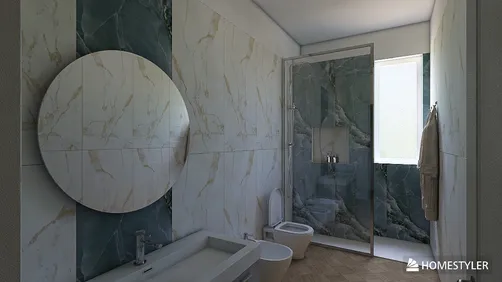
A larger mirror can bounce light around and make the room feel less enclosed. It doesn’t have to cover the entire wall; a mirror that’s wider than the sink often gives a more balanced look. If the bathroom has a window, avoid blocking it with tall storage or heavy window coverings. Privacy film or a simple shade can preserve daylight while keeping the room comfortable.
Color is personal, but small doesn’t automatically mean all-white. Warm off-white, pale greige, and muted green can feel calm without turning the room into a blank box. Use one main wall color and repeat it in a towel or small accessory. Too many contrasting finishes can make a compact room feel visually chopped up.
For tile, larger formats can reduce the number of grout lines, which may make the floor or shower feel calmer. That doesn’t mean every small bathroom needs oversized tile; the layout, cuts, and slip resistance matter. Ask to see a sample in the actual room’s light before committing. A glossy surface may reflect more light, while a matte floor can be easier to live with underfoot.
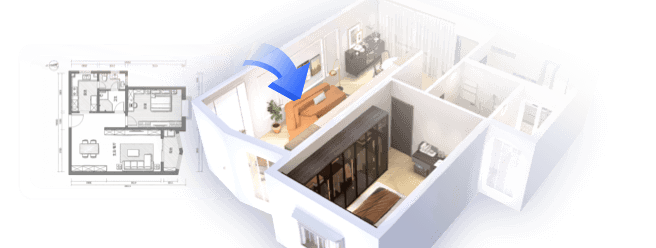
If you’re deciding between a warm neutral and a soft color, Homestyler can help you preview how the palette and fixture proportions might look together before you buy materials. It’s much easier to change a digital wall color than to repaint around a newly installed mirror.


Which Changes Are Worth Doing First?
Not every improvement needs a contractor. A useful way to choose is to separate quick, reversible updates from work that changes plumbing, wiring, or walls.
| Project | Effort | What it can improve | Watch out for |
|---|---|---|---|
| Replace hooks and towel storage | Low | Clears the floor and counter | Check that hooks don’t block the door |
| Add drawer organizers | Low | Makes existing storage easier to use | Measure the drawer before buying |
| Change the mirror or medicine cabinet | Low to medium | Adds light and concealed storage | Confirm wall depth and mounting points |
| Install a floating vanity | Medium to high | Opens up visible floor area | Secure mounting and plumbing access matter |
| Replace a tub curtain with a glass panel | Medium to high | Reduces visual obstruction | Check splash control and cleaning needs |
| Move plumbing or change the shower footprint | High | Can improve a genuinely awkward layout | Costs and permits vary by location |
A clear shower enclosure can make the room feel more open, but it isn’t automatically the right choice. Glass needs regular cleaning, and a curtain is cheaper, softer, and easier to replace. If you keep the curtain, hang it high and use a light, plain fabric so it doesn’t visually divide the room.
For a rental, focus on changes you can reverse: hooks, a freestanding shelf, a better shower curtain, and countertop editing. For an owned home, spend first on the layout and fixtures you’ll use every day. I’d rather have a modest, well-planned vanity than an expensive finish that leaves no place for a toothbrush.
A Few Small-Bathroom Mistakes to Skip
The first mistake is buying storage before measuring. A basket that fits the product photo may block a drawer or make the toilet area harder to clean. Measure the width, depth, and door clearance, then tape the proposed footprint on the floor if you’re unsure.
The second is choosing finishes only by how they look in a showroom. Bathrooms have different light, moisture, and cleaning demands. Bring samples home and look at them in the morning and evening. Check that floor tile is suitable for wet areas, and use materials intended for bathrooms where moisture is a concern.
Finally, don’t fill every empty wall. A small room needs a little visual breathing space. One shelf with a clear purpose is better than several rows of decor and spare products. Keep the counter mostly open, leave the mirror unobstructed, and let one or two finishes carry the room.
If you’re planning a bigger update, sketch the room and test the scale of the vanity, mirror, and shower before ordering. Homestyler is a handy way to compare arrangements and colors while the decisions are still easy to change.
Pick One Fix and Live With It
The most effective small bathroom ideas aren’t necessarily dramatic. They make the door easier to open, give towels a proper place, brighten the mirror, or keep daily clutter off the counter. Start with the one annoyance you notice most often, then choose a fix that fits your budget and whether you own or rent.
Built on technology originally developed at Autodesk, Homestyler empowers anyone to design beautiful, realistic spaces in minutes. Join over 20+ million registered users (platform data, 2026) who have already discovered a smarter way to plan, visualize, and bring their dream homes to life — all from the comfort of a browser.
If you’re remodeling, measure carefully and spend on layout before decorative extras. If you’re not, a few hooks, a better mirror, and a more disciplined counter can still change the room’s feel. Try a layout or color preview in Homestyler, then make one practical change at a time.
Design jetzt kostenlos