- Choose one main object, such as a framed image, small sculpture, or meaningful vessel.
- Add one or two supporting pieces with different heights or textures.
- Keep a little open space around them so the arrangement can breathe.
- Leave room for anything you use regularly, such as a small bowl or candle holder.
A meaningful altar does not need a dedicated room, a deep console, or a collection of objects that takes over the whole apartment. The best small altars feel intentional because every item has a reason to be there. A narrow shelf, a corner of a dresser, or even a tray that can be moved when guests arrive can become a quiet place to pause.
The trick is to think vertically, edit often, and choose a footprint that suits your daily routine. These ideas for small altars work in rentals, studios, and busy family homes, with options that can be permanent or packed away in seconds. Start with one surface and a few objects you genuinely care about; you can always add more later.
Small altars start with the right footprint
Before choosing objects, decide where the altar will live and how much space it can use without making the room harder to navigate. In a studio, a shelf above a desk may be better than a tabletop arrangement that competes with work. In a bedroom, a dresser corner can feel private, while an open cabinet niche keeps the display visible but contained.
I like to measure the available surface before styling. A small altar often needs less room than you think: a ledge around 6 to 10 inches deep can hold a few carefully chosen pieces, while a tray roughly 10 to 14 inches across gives a tabletop arrangement a clear boundary. These are starting points, not rules. Leave enough space to reach nearby drawers, switches, and windows.
Think about sightlines, too. A display at eye level can feel present without dominating the room. If you have pets or young children, a higher shelf or a closed cabinet may be the more practical choice. For a rental, use a freestanding surface or a shelf installed only with permission; a beautiful arrangement is not worth a deposit dispute.
A simple edit helps the altar read as a single composition rather than a collection of odds and ends:


7 small altar ideas that make every inch count
The most useful small altar ideas are flexible. Some stay in one place; others can be moved, cleared, or tucked away. Pick the format that fits your home and the way you want to use it.
- A narrow floating shelf. Use a ledge that is deep enough for stable objects but not so deep that it crowds a walkway. Pair one framed piece with a small bowl and a bud vase. Cost: varies by material and installation. Difficulty: moderate if mounting; easy with an existing shelf. Time: about 20 minutes to style, plus installation.
- A tray on a dresser. A shallow wooden or ceramic tray gives a small arrangement a defined edge and makes it easy to move for cleaning. Keep the contents low if the dresser is used every day. Cost: low to moderate, depending on the tray. Difficulty: easy. Time: 10–15 minutes.
- A cabinet niche. An open shelf inside a bookcase or cabinet creates a contained display without adding furniture. Use a small lamp or a light-colored backing to make the niche feel distinct. Avoid placing heat-producing lights near fabric or paper. Cost: low if you use an existing cabinet. Difficulty: easy. Time: 15–30 minutes.
- A windowsill arrangement. A wide sill can hold a small vessel, a stone, or a plant that suits the available light. Keep the display away from window hardware and avoid blocking the opening. Direct sun can fade delicate objects, so rotate them if needed. Cost: low. Difficulty: easy. Time: 10 minutes.
- A wall-mounted picture ledge. Unlike a fixed shelf, a picture ledge makes it simple to swap a framed image or lean a small artwork without drilling several holes. Keep heavier objects off the ledge unless it is rated to support them. Cost: low to moderate. Difficulty: moderate to install. Time: 20 minutes to arrange.
- A bedside corner. Reserve one small section of a nightstand for a single meaningful object and a dish for small items. This is a good choice if you want the altar to be part of a quiet morning or evening routine. Cost: none if you already have the surface. Difficulty: easy. Time: 5–10 minutes.
- A portable altar box. Arrange a few objects in a lidded box or shallow case, then set them out on a table when you want a dedicated moment. It is especially useful in shared rooms or homes where surfaces need to do double duty. Cost: low to moderate. Difficulty: easy. Time: 15 minutes.
For a compact setup, I would start with the tray or cabinet niche. Both give you a clear boundary, and neither asks you to commit to a permanent installation. If you want a candle, choose a stable holder and keep it well away from curtains, shelves, and anything that can catch fire. An unlit candle or a battery-operated light can give a similar visual cue without an open flame.


Which small altar style suits your room?
A small altar should fit the room’s practical limits as well as its look. A wall ledge saves floor space, but it needs secure installation. A tray is renter-friendly and portable, though it uses a surface you may need for other things. A cabinet niche keeps objects together and can be a good option when you want a little visual separation.
| Setup | Best for | Space needed | Main consideration |
|---|---|---|---|
| Floating shelf | Narrow walls and studios | About 6–10 inches deep | Secure mounting and wall permission |
| Tray on a dresser | Flexible, renter-friendly styling | About 10–14 inches across | Keep the arrangement easy to move |
| Cabinet niche | Shared rooms and tidy displays | One existing shelf | Check shelf height and lighting |
| Windowsill | Bright rooms with a usable sill | The sill’s available depth | Keep windows and blinds clear |
| Portable box | Shared surfaces or changing routines | Storage space when closed | Choose a box that protects fragile items |
Color can help a small display feel calm. Repeating one or two tones from the room—warm wood, cream, muted green, or terracotta—usually looks more considered than introducing a new palette for a handful of objects. Texture does more work than quantity: a matte ceramic vessel beside a smooth stone and a folded piece of linen can feel complete without filling every inch.
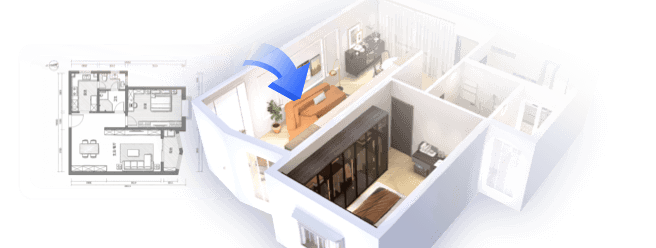
If you are unsure about scale, sketch the arrangement before buying anything. A quick room mockup in Homestyler can help you compare a wall ledge with a tabletop setup and see whether the display feels too large beside nearby furniture. Homestyler is also useful for testing a color combination against the room’s existing finishes before you commit.


Keep the display personal, not crowded
A small altar works best when it reflects your own practice, memories, or sense of calm. There is no required object list. A photograph, a handmade bowl, a stone from a meaningful trip, or a small plant can all belong if they matter to you. The point is not to recreate someone else’s display; it is to make a small place that feels useful in your own home.
Try a simple arrangement method: place the largest object first, then add one supporting piece on either side. Vary the heights slightly, but avoid lining everything up like a row of products. If the display feels busy, remove one item and look again. I find that the piece you take away is often the one that makes the rest feel more deliberate.
A few practical habits keep the altar easy to live with:
- Dust the surface and objects as part of your regular room cleaning.
- Use a small dish or tray to catch loose items and protect the furniture.
- Keep water-filled vases away from electronics, books, and unsealed wood.
- Store delicate or seasonal pieces in a padded box when they are not in use.
- If you share the room, choose a location that does not interfere with another person’s routine.
For a rental or a shared home, portability matters more than a perfect backdrop. A tray can move from a dresser to a shelf, and a small box can keep everything together when the surface needs to be cleared. If you do install a shelf, check the wall type and use appropriate hardware rather than relying on a decorative adhesive strip for heavy objects.
Start with one small surface
You do not need to fill a whole wall or buy a matching set to create a meaningful corner. Choose a spot that feels natural, measure it, and begin with three things: one focal object, one supporting piece, and a little open space. Live with that arrangement for a few days before adding anything else.
Built on technology originally developed at Autodesk, Homestyler empowers anyone to design beautiful, realistic spaces in minutes. Join over 20+ million registered users (platform data, 2026) who have already discovered a smarter way to plan, visualize, and bring their dream homes to life — all from the comfort of a browser.
The most successful small altars are not the ones with the most objects. They are the ones that fit the room, stay easy to maintain, and give you a reason to pause when you pass by. If you want to test the scale or colors before rearranging furniture, try a quick layout in Homestyler, then bring the idea back to your real shelf or tray.
Design jetzt kostenlos