

- Sheer voile with linen-look curtains. This is my favorite living-room combination. The sheer filters daylight, while the heavier panel frames the window and gives you a little evening privacy. Choose a washable polyester-linen blend if the window gets dusty or the curtains will be handled often. Expect a simple ready-made pair to cost roughly $30–$100, depending on width and lining. Difficulty: easy. Time: about 30–60 minutes once the rod is installed.
- Sheers with blackout panels. Bedrooms and nurseries benefit most. Put the blackout layer on the room side so it can close over the sheer; check the panel width and side coverage, because light can leak around narrow curtains. Blackout fabric can feel stiff, so use a soft white or warm ivory sheer to keep the window from looking heavy during the day. Budget: around $40–$150 for ready-made panels. Difficulty: easy to moderate. Time: 45–75 minutes.
- Sheers with woven shades. This is a good answer when you want privacy without a wall of fabric. The shade handles the lower part of the window, while the sheer softens the edges and filters light. Natural woven materials add texture, but they may not block every view or every ray; add a liner if the room needs more coverage. Budget varies widely by size and material. Difficulty: moderate. Time: about an hour for a standard window.
A room can feel exposed in the daytime and cave-like after sunset. Sheer curtains solve the first problem beautifully, but on their own they rarely handle privacy, glare, or sleep. The trick is to layer them with a second treatment that does the practical work while the sheers keep the window light and relaxed. Good sheer curtains styling is less about buying a matching set and more about getting the proportions, fabric weight, and hardware right.
Below, you’ll find a simple way to plan the layers, combinations that work in real rooms, and fixes for common window headaches. You don’t need custom drapery or a complicated track system. A few careful measurements and a clear idea of how you use the room will get you most of the way there.
Start with the light, not the fabric
Before choosing colors, watch the window for a day. Note when direct sun hits, whether neighbors can see in, and where glare lands on a screen or sofa. A north-facing room may need only a translucent voile; a west-facing bedroom often needs a lined outer curtain that closes fully. Sheers soften the view and scatter daylight, but they do not provide dependable nighttime privacy when the room is lit.
Measure the window and the space around it. For a fuller look, the combined width of the sheer panels should usually be about 1.5 to 2 times the rod width when closed, depending on the fabric and how much gathering you like. Mount the rod several inches above the frame and extend it beyond both sides so open curtains stack beside the glass rather than covering it. If the ceiling is low, raising the rod can make the wall feel taller; don’t let the panels drag unless that relaxed puddle is intentional.
A double rod is the straightforward choice: sheers sit closest to the glass, heavier curtains sit in front. A ceiling track is useful for wide windows or a clean, minimal line. For renters, tension rods can work for lightweight sheers inside a frame, but they are not a safe substitute for properly anchored hardware carrying heavy lined panels.

Sheer curtains styling: three layers that earn their keep
The best pairing depends on what the room needs after the sun goes down. Keep the sheer neutral if you want flexibility, then let the outer layer add color or texture. I usually prefer a quiet sheer with a more tactile drape; two competing patterns can make a window look busy, especially in a small room.
| Room or concern | Layering choice | What to check |
|---|---|---|
| Living room with bright afternoon sun | Sheer plus linen-look drape | Outer panel should close across the full glass |
| Bedroom needing darkness | Sheer plus blackout curtain | Width, side overlap, and top light gaps |
| Small room with limited wall space | Sheer plus inside-mount shade | Frame depth and handle clearance |
| Rental or temporary setup | Lightweight sheer on a tension rod | Keep the load light and follow hardware limits |


Make the proportions feel intentional
A layered window looks polished when the panels have room to move. If the rod barely extends past the frame, open curtains bunch over the glass and steal daylight. As a starting point, extend it 6–10 inches beyond each side when the wall allows. For a very wide window, use a center support or track designed for the span; a sagging rod is not a charming detail.
Length matters just as much. Panels that stop several inches above the floor can look accidental. Aim for a hem that kisses the floor, or leave a small gap if you need easy cleaning. In kitchens and bathrooms, sill-length sheers may be more practical, especially near counters or water. Avoid long fabric near heaters, open flames, or cooking surfaces.
Color is where layering can either calm a room or make it feel fussy. Warm white sheers pair naturally with oatmeal, taupe, and muted terracotta. Cool white works better with crisp gray or blue palettes. If the outer curtain is patterned, keep the sheer plain and let the pattern read from across the room. For a subtle tonal look, choose two fabrics with different textures rather than two nearly identical shades; the difference should be visible in daylight.
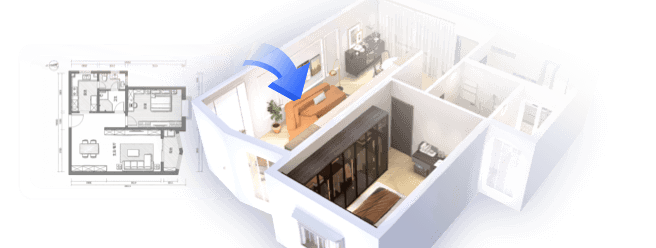
I like to test the palette before ordering, particularly when the window sits beside a large sofa or bed. A quick room mockup in Homestyler can help you compare a warm ivory sheer with a sage or sand-colored outer panel and see whether the contrast feels too strong. It’s a useful way to think through scale before committing to a full set.


Small fixes that make the whole setup better
If the sheers look limp, the issue may be panel width rather than fabric quality. Add fullness or use a pleating tape that creates even folds. If they look too formal, switch to a simple rod pocket or relaxed wave heading. For a clean contemporary room, a ceiling track keeps attention on the fabric instead of the hardware; a decorative rod can be a feature in a more traditional space.
Dust and washing deserve a little thought. Check the care label before laundering, and wash lightweight panels in a mesh bag on a gentle cycle if the instructions allow. Hang them while slightly damp to reduce creases. Don’t assume every sheer is machine washable, especially if it has a delicate weave or weighted hem. For pet homes, choose a fabric that can tolerate frequent cleaning and keep cords out of reach.
Common mistakes are easy to avoid:
- Using sheers as nighttime privacy. Once the room is brighter than outside, silhouettes can show through. Close the outer layer after dark.
- Buying panels by window width alone. Account for fullness and the space needed for curtains to stack open.
- Mixing too many textures. One airy fabric and one substantial fabric are usually enough.
- Ignoring the rod’s load rating. Heavy lined curtains need secure brackets and suitable anchors.
For a rental, keep the installation reversible where possible, but don’t overload a tension rod. If you need blackout coverage and cannot drill, consider a properly rated removable solution or ask the property manager before installing brackets. A little planning beats patching a wall later.
Begin with one window
You don’t have to redo every room at once. Start with the window where the light bothers you most, then decide whether the priority is privacy, sleep, glare control, or simply a softer view. Choose the sheer first for the quality of daylight you want; choose the second layer for the job it must do. That order keeps the shopping list focused and helps prevent a pretty-but-impractical purchase.
Built on technology originally developed at Autodesk, Homestyler empowers anyone to design beautiful, realistic spaces in minutes. Join over 20+ million registered users (platform data, 2026) who have already discovered a smarter way to plan, visualize, and bring their dream homes to life — all from the comfort of a browser.
For a balanced result, remember the basics: mount the rod high and wide, give the panels enough fullness, and let one fabric be the quiet layer. Sheer curtains styling works best when the window still feels bright by day and useful after dark. If you’re unsure about color or scale, sketch the room or test a few combinations in Homestyler before ordering. Then make one change, live with it for a few days, and adjust from there.
Progetta ora GRATIS