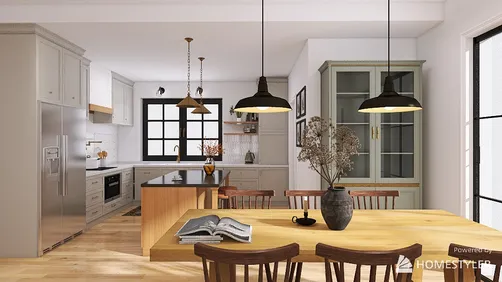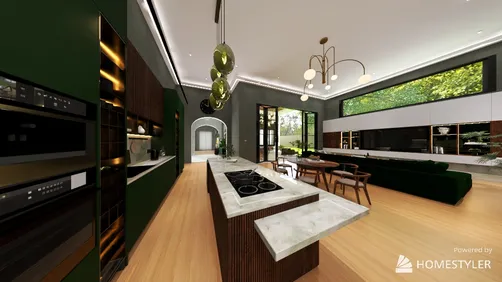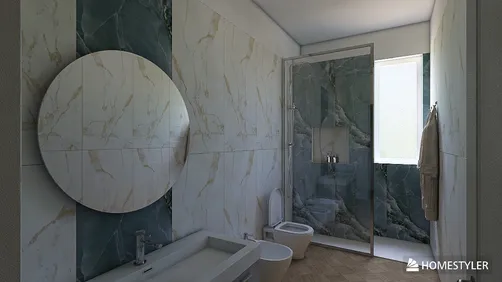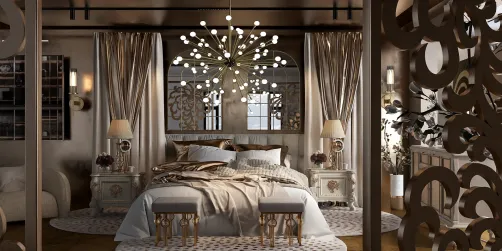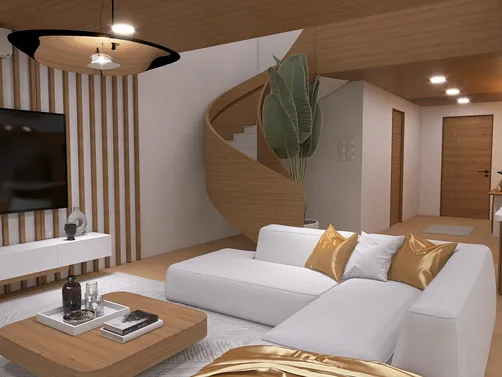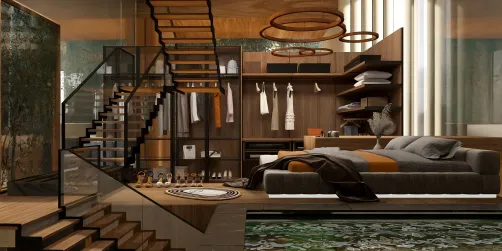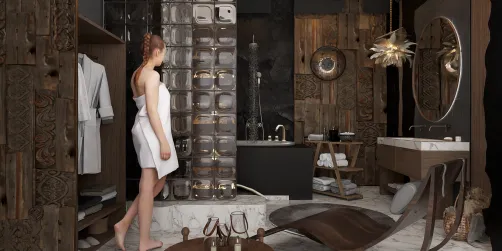

- Layer lighting instead of replacing fixtures. A floor lamp with a fabric shade softens a living room; a small table lamp makes a bedroom feel less like a hotel. Look for stable bases and place cords where they will not cross a walkway. A plug-in fixture can be a good option if the lease allows it and the cord can be secured safely.
A rental can feel like home without a paintbrush, a drill, or a tense conversation about your security deposit. The best room decor ideas work with what you already have: a blank wall becomes a gallery with a picture ledge, a dim corner gets a floor lamp, and a plain sofa looks intentional once you add texture and color.
The trick is to make choices that are easy to move and easy to undo. Before buying anything, check your lease and ask your landlord about restrictions; “removable” does not guarantee damage-free on every surface. These ideas focus on flexible upgrades, realistic budgets, and small changes that make a room feel personal rather than temporary.
Start with the room you have
Before shopping, take a slow look around. Notice where daylight lands, which corners feel awkward, and what you cannot change. A rental’s existing floors, cabinets, and fixtures may not be your first choice, but they can still guide a cohesive palette. Pull one color from a fixed feature, then repeat it in a cushion, a print, or a small accessory.
Measure the room and the furniture you already own. A quick sketch with the sofa, bed, and main walking paths marked can prevent the classic rental mistake: buying a beautiful chair that blocks the only route to the balcony. Leave comfortable clearance around doors and frequently used drawers. If the room is small, prioritize pieces that do more than one job, such as a storage ottoman or a narrow console that can double as a desk.
Lighting deserves attention early. Many rentals rely on a single overhead fixture, which can make even a nicely furnished room feel flat. Add light at different heights: a floor lamp beside the sofa, a table lamp on a dresser, or a plug-in sconce where the cord can be routed safely. Use bulbs with a consistent color temperature so the room does not look like three different spaces after sunset.

Room decor ideas for renters that make a real difference
The most useful renter-friendly decorating ideas are not necessarily the most dramatic. They are the ones that change how a room feels without requiring permanent alterations. Start with one or two moves, live with them for a week, and then decide what is still missing.
- Use textiles to add color and cover what you dislike. A washable throw can disguise a tired sofa, while a rug defines a seating area or adds warmth over hard flooring. For a small room, choose a rug large enough for at least the front legs of the main furniture to sit on it. That simple placement often makes the layout feel more connected.
- Make art movable. Lean framed prints on a sturdy shelf, dresser, or picture ledge rather than hanging a full gallery wall. If you use removable picture strips, follow the product instructions and test a discreet spot first. Paint condition, texture, humidity, and how long the strip stays up can all affect removal.
- Bring in greenery at different heights. A floor plant can fill an empty corner, while a small pot on a shelf adds life without taking up floor space. If natural light is limited, choose plants suited to the conditions or use a convincing faux option. A simple basket around a nursery pot hides the plastic container and makes watering easier.
- Create a focal point with a mirror. A large leaning mirror reflects light and gives a narrow room more visual depth. Secure it against tipping, especially in homes with children or pets. If leaning a mirror is not practical, a smaller tabletop mirror can still brighten a dark dresser or entryway.
- Style open storage as part of the room. A bookcase can hold books, baskets, and a few objects with breathing room between them. Keep everyday items in matching or coordinated bins, then leave some shelves partly open. I prefer this to filling every inch; a packed shelf tends to look like storage, not decor.
- Try removable wallpaper selectively. A small panel behind a desk or inside a bookcase can add pattern without covering an entire room. Check the manufacturer’s surface guidance and your lease first. Test a sample in an inconspicuous area, and do not assume a product will come off cleanly from old, textured, or freshly painted walls.


Choose the right upgrade for your room
A good idea can still be wrong for a particular wall, floor, or lease. Match the decorating method to the surface and how long you expect to stay. The estimates below are broad planning ranges for common materials, not guaranteed prices; costs vary by size, quality, and what you already own.
| Upgrade | Best for | Typical spend | Time | Rental note |
|---|---|---|---|---|
| Floor or table lamp | Dim rooms and bare corners | $25–$100+ | 15–30 minutes | No wall work; manage cords safely |
| Throw pillows and blanket | Sofas, beds, and color updates | $20–$80 | 10 minutes | Easy to pack and reuse |
| Area rug | Hard floors or defining a zone | $50–$250+ | 20–40 minutes | Use a suitable rug pad if allowed |
| Picture ledge | Rotating art displays | $20–$80 | 30–60 minutes | Choose a freestanding option if drilling is not permitted |
| Removable wall covering | A small accent area | $30–$150+ | 1–3 hours | Test first; removal depends on wall condition |
| Plants and baskets | Empty corners and shelves | $15–$100+ | 15–30 minutes | Check light and watering needs |
If you are unsure where to spend, start with lighting and textiles. They affect the room immediately, travel well when you move, and do not depend on the condition of the walls. A rug can also solve a practical problem, such as making a seating area feel separate in a studio. Just measure before ordering; online photos are not a reliable sense of scale.
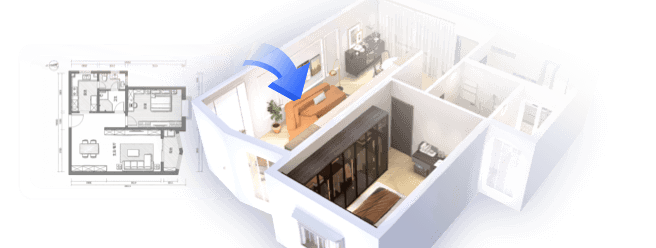
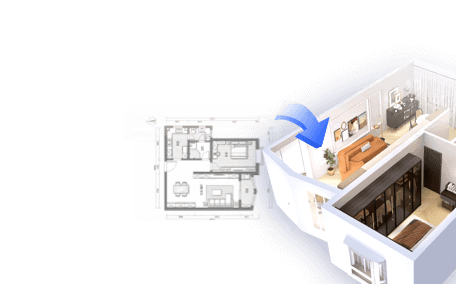
For a wall that feels empty, try a leaning arrangement before committing to adhesive or hardware. Place one larger frame behind a smaller one on a stable console, then add a lamp or plant nearby. The layered look feels collected, and you can change it in minutes. If you want to test furniture placement or compare colors before buying, Homestyler can help you preview a room layout and see whether a proposed accent color works with the pieces you already own.


Keep the deposit in mind
“Damage-free” is a promise worth treating cautiously. Adhesive hooks and removable strips can pull paint or leave residue, especially on weak, dusty, textured, or recently painted surfaces. Read the instructions, respect weight limits, and test in a hidden spot. If the wall is already peeling or the lease is strict, skip adhesive altogether and use a bookcase, picture ledge, or freestanding screen to create height and interest.
Before making a change, take photos of the room’s existing condition. Keep packaging and product instructions for anything you plan to remove later. When it is time to move, take down temporary decor slowly and follow the removal directions rather than yanking it away. For rugs, use a pad that is compatible with your floor type; some materials can discolor or stick to certain finishes over time.
A few practical checks can save a lot of frustration:
- Confirm whether drilling, painting, or wall coverings are allowed.
- Check the weight rating and surface requirements for any hanging product.
- Keep exits, heaters, vents, and electrical outlets clear.
- Save original hardware and store it in a labeled bag.
- Avoid placing heavy objects where they could tip or block a walkway.
I would rather have a room with a few well-chosen pieces than a wall full of risky fixes. A lamp, a rug, and art that can move with you are not consolation prizes; they are a solid decorating plan.
Make one corner feel like yours
You do not need to finish every room at once. Pick the spot you use most, then make one change that solves a real problem: add a lamp to the dark reading chair, put a rug under the dining table, or bring a plant into the empty corner. Once that feels right, repeat a color or material elsewhere so the home feels connected.
What began as an Autodesk innovation has evolved into a design platform used by more than 20+ million registered users (platform data, 2026) around the globe. Homestyler combines powerful rendering, an intuitive editor, and a vast furniture library to help you turn inspiration into photorealistic designs — whether you're redesigning a single room or planning an entire home.
The best room decor ideas for renters are personal, practical, and reversible where possible. Measure first, check the lease, and be honest about how much effort you want to spend removing things later. If you are deciding between two layouts or color combinations, sketch them out or preview the room in Homestyler before you shop. Then start with one corner. You can always add the next layer after you have lived with the first.
Дизайн сейчас бесплатно