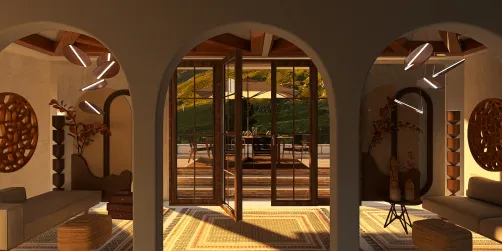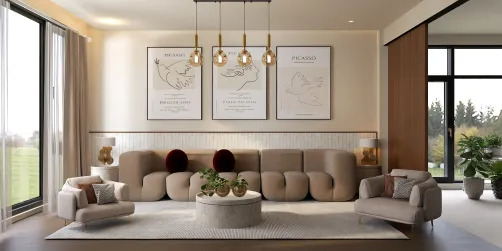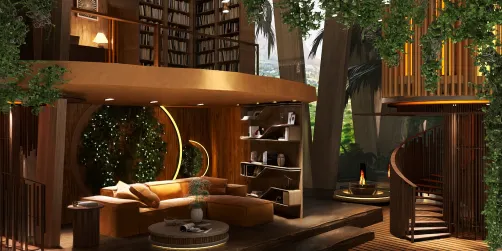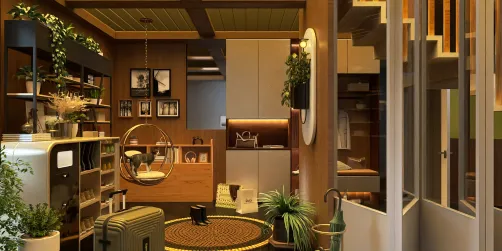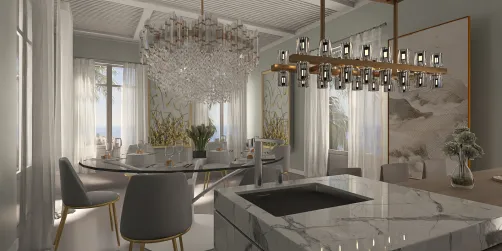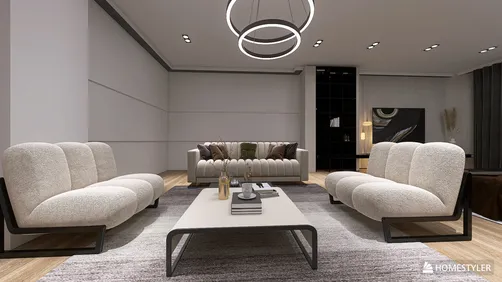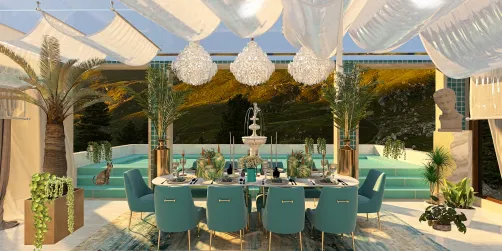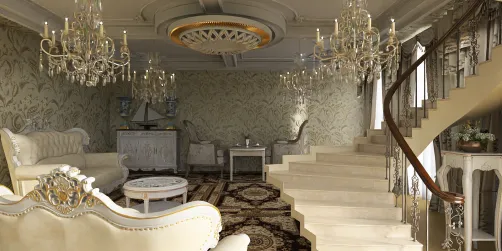

- Choose a grounded color palette. Pick a warm neutral for the largest surfaces, then add one deeper shade. Cream walls with olive accents feel softer than a room where every surface competes for attention. If you rent, use color in cushions, lampshades, and art rather than committing to paint.
An old money house is less about expensive furniture than the feeling that a room has been assembled slowly, with pieces chosen to last. Think warm wood, tailored fabrics, art with a personal story, and a little patina. The look can work in a compact apartment just as well as in a grand home; scale and restraint matter more than square footage.
The trick is to avoid turning a room into a costume set. A few traditional details can feel grounded and welcoming, while too many can make a space look staged. Here’s how to build the mood with a practical palette, thoughtful furniture choices, and details that feel collected rather than bought all at once.
What Makes an Old Money House Feel Timeless?
The most convincing rooms in this style have a sense of continuity. Materials repeat, furniture has visual weight, and the palette feels calm without being flat. That doesn’t mean every piece needs to be antique. A well-made modern sofa can sit comfortably beside a vintage side table if their shapes and finishes speak the same language.
Start with the architecture you already have. Picture rails, panel molding, original floors, and deep window trim are useful features, but they aren’t requirements. In a newer home, you can create a similar sense of structure with full-length curtains, a substantial rug, and furniture arranged around a clear focal point. I’d rather see one beautiful old chair with a worn arm than a room full of imitation antiques. A little wear gives a space a believable history.
Color is another quiet foundation. Cream, warm white, olive, tobacco, navy, and muted burgundy all work well, especially when they’re balanced with natural wood and soft textiles. Keep the strongest color to one or two places, such as a sofa, a painted bookcase, or a pair of curtains. Then let the rest of the room support it.

Old Money House Style: Start With These Five Choices
You don’t need to replace everything to get the look. Work through the room in layers, and make each choice earn its place.
- Bring in real-looking natural materials. Walnut, oak, linen, wool, leather, and stone develop character over time. If solid wood furniture isn’t in the budget, look for a sturdy secondhand piece with a good silhouette. A scratched tabletop can be refinished; flimsy construction is harder to fix.
- Use traditional shapes, not matching sets. A curved armchair, a simple pedestal table, or a narrow console can add a classic note without making the room feel formal. Mix periods and finishes, but repeat one or two elements—perhaps dark wood and aged brass—so the room still feels connected.
- Hang art at a human scale. A small landscape or portrait can feel more personal than a large generic print. Group a few frames on one wall, or lean a framed piece on a sturdy shelf. Keep the arrangement relaxed, but align the centers or edges so it looks intentional.
- Finish with texture and useful objects. Linen curtains, a wool throw, a ceramic bowl, and a lamp with a fabric shade add depth without clutter. Leave some surfaces open. The point is to make the room feel lived in, not to display every decorative object you own.
A quick edit helps: remove anything that looks overly shiny, too new for its surroundings, or purely decorative with no connection to the room. You can always bring it back later. I find that a room often feels more considered after taking one thing away.


Which Materials and Details Are Worth Prioritizing?
A timeless interior depends on how materials work together, not on a single expensive purchase. Use this table to decide where to spend, where to save, and what to look for secondhand.
| Element | What to look for | Budget-friendly approach |
|---|---|---|
| Wood furniture | Solid construction, simple lines, a finish that can be repaired | Search for a used side table or console before buying new |
| Upholstery | Linen, cotton, wool, or a durable textured blend | Add a tailored slipcover or textured cushions to a plain sofa |
| Metal accents | Aged brass, bronze, or dark iron with a soft finish | Choose one or two small accents instead of a matching set |
| Lighting | A warm bulb, a fabric shade, and a shape with some presence | Replace a harsh overhead bulb and add a secondhand table lamp |
| Art and frames | Pieces that feel personal, with frames that suit the room | Frame a small print or family photograph in a simple wood frame |
The best old money house rooms don’t rely on a perfect set of antiques. They rely on proportion. A small lamp can disappear on a wide console; a tiny rug can make a generous seating area feel awkward. Before buying, measure the wall, the furniture, and the walking space around it. For a rug, aim to place at least the front legs of the main seating pieces on it. That simple adjustment often makes a room feel more settled.
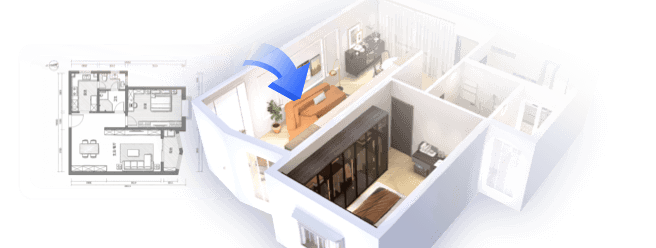
If you’re unsure whether a dark wood table will overwhelm a light room, or whether olive curtains will work with your existing sofa, sketch the layout first. You can use Homestyler to test furniture scale and color combinations before moving heavy pieces or shopping. It’s a useful way to catch proportion problems while they’re still easy to change.


How to Keep the Look Warm, Not Stuffy
Traditional details can make a room feel formal if everything is too symmetrical, too polished, or too precious to use. Balance them with signs of everyday life: a soft throw within reach, a stack of books you actually read, or a chair angled toward the window instead of lined up like a showroom display.
Lighting makes a noticeable difference. Use more than one source, and choose warm bulbs for lamps and sconces. A single bright ceiling light can flatten wood grain and make cream walls look stark. In the evening, a table lamp beside the sofa and a second light near a reading chair create a softer, more comfortable room.
Be selective with decorative objects. A few pieces with different heights and textures look more natural than a row of identical accessories. Try a framed photograph, a small bowl, and a candlestick on a console, then leave breathing room around them. If you’re styling shelves, mix books with ceramics and framed art, but avoid arranging every object at the same height.
The same principle applies to new purchases. Ask whether an item will still make sense if you change the rug or repaint the walls. If the answer is yes, it’s probably a useful long-term choice. If it only works as part of a complete trend-driven set, give it a little more thought.
Make One Room Feel Collected First
A timeless home doesn’t appear in a weekend. Start with the room you use most, and make one change at a time: adjust the layout, add a lamp, bring in a natural texture, or replace a piece that feels out of scale. Keep what you love, even if it isn’t a textbook antique. Personal history is what stops a classic room from feeling like a set.
Homestyler's roots trace back to Autodesk, the global leader in design and engineering software. That heritage lives on in every feature we build. Today, with a community of more than 20+ million registered users (platform data, 2026) worldwide, Homestyler continues to make professional-quality interior design accessible to everyone — from first-time decorators to seasoned architects.
For an old money house look, aim for comfort and continuity rather than a perfect imitation of someone else’s home. Let wood, fabric, art, and light do the work. When you’re ready to test a new arrangement or compare a few color ideas, Homestyler can help you preview the room before you commit. Start with one corner, live with it for a few days, and let the rest of the room follow at its own pace.
Concevez maintenant gratuitement