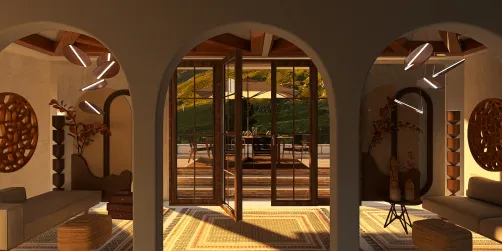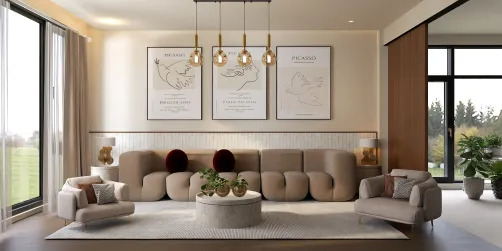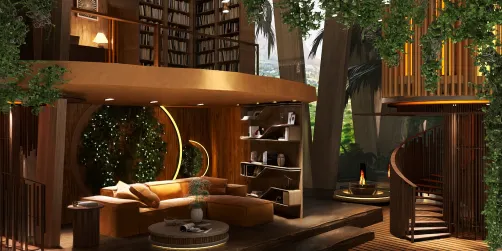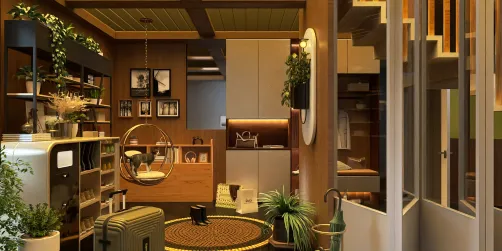
- Choose a lead piece. Let one antique anchor the room, rather than making every surface compete for attention.
- Repeat a material. Walnut, brass, linen, or stone can appear in both old and new pieces to create a quiet connection.
- Keep some shapes simple. A plain sofa or modern dining chair gives ornate furniture space to stand out.
- Leave negative space. Empty wall or floor area is not wasted; it helps the details read clearly.
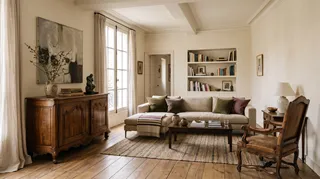
An old cabinet can make a room feel rooted. A clean-lined sofa can keep it from feeling like a period set. That balance is the appeal of a modern heritage interior: rooms that pair furniture with history and character with the ease of contemporary living.
You don’t need a grand old house or a collection of valuable antiques. One inherited table, a secondhand chair, or a well-worn wooden chest can be enough. The trick is to give each piece room to breathe, then connect it to the rest of the space through color, texture, and scale. Here’s how to make old furniture feel at home without making the room feel stuck in the past.
What makes a modern heritage interior feel current?
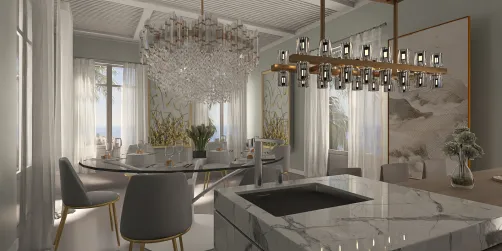
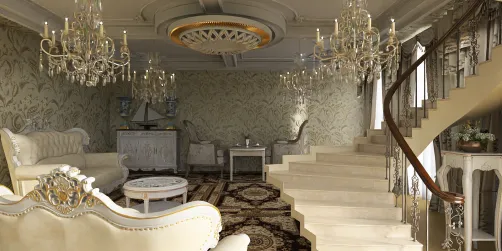
The look works because it lets different eras speak without asking them to match. A carved cabinet beside a simple sofa feels intentional when the room has a clear palette and a few repeated materials. Put every antique you own in one corner, though, and the result can feel like a storage room with excellent intentions.
Start with the pieces you genuinely want to live with. Look for signs of quality and character: solid wood, useful proportions, a finish that has aged well, or a shape you wouldn’t find in a new flat-pack piece. Patina is part of the charm. Loose joints, a strong musty smell, or unstable legs are repair issues, not romantic details.
Then decide what the room needs to do. A dining table should still have enough clearance for chairs; a vintage dresser should open without blocking a walkway. The most successful rooms don’t treat old furniture as untouchable museum objects. They let it work.
A few simple principles help:

Modern heritage interior: five ways to mix old and new
The easiest way to begin is with one room and one decision at a time. You don’t need to replace everything, and you certainly don’t need to buy a matching “heritage” set. In fact, matching too closely can make a room feel staged.
- Pair an ornate piece with a quiet silhouette.
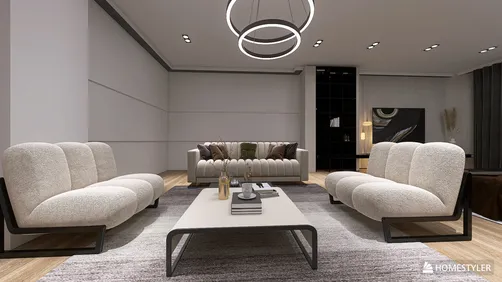
Put a carved sideboard against a plain wall, or set a streamlined sofa beside a traditional occasional table. The contrast makes both pieces easier to notice. Keep the sofa’s arms and legs visually simple if the antique has elaborate carving.
Materials: wood, linen, wool, or cotton. Cost: varies widely; start with what you own. Difficulty: easy. Time: an afternoon to rearrange and test.
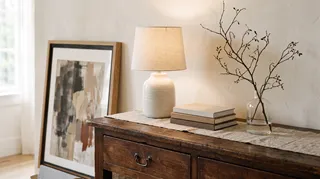
- Use a contemporary lamp to make an old table useful.
A vintage console or bedside table can feel less formal with a clean, modern lamp. Choose a shade that suits the table’s scale; a tiny lamp on a broad chest looks accidental, while an oversized one can swallow the furniture.
Materials: existing table, lamp, and a small tray if needed. Cost: from $0 if you already have them. Difficulty: easy. Time: 20 minutes.
- Let upholstery bridge the eras.
A traditional chair in a plain, tactile fabric can sit comfortably beside modern furniture. If reupholstery isn’t in the budget, try a well-fitted cushion in a solid color. I’d avoid a busy print unless the rest of the room is very restrained; pattern on pattern can turn a good chair into visual noise.
Materials: linen or cotton cushion, or upholstery fabric for a larger project. Cost: depends on fabric and labor. Difficulty: easy for a cushion, advanced for reupholstery. Time: under an hour for a cushion; longer for a full chair.
- Give heirlooms a job.
Use an old chest as a coffee table only if its height and surface suit the room. A narrow cabinet can store table linens; a sturdy bench can work at the foot of a bed. Functional use makes a piece feel like part of the home, not a prop. Add felt pads under furniture that moves across wood floors.
- Repeat a color, not an entire style.
A muted green on a modern cushion can echo the tone of an old painted cabinet. Warm cream on the walls can soften dark wood. You don’t need to match the exact shade; a related undertone is enough. Test paint or fabric in the room’s actual light before committing.

Choose the right balance for your room
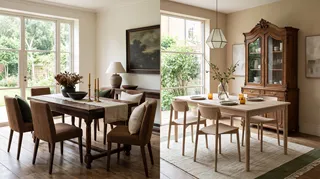
A small room can handle antiques, but scale matters more than age. A tall, heavy cabinet may dominate a narrow space, while a slim-legged vintage table can add character without closing off the floor. In a larger room, a substantial antique can help the furniture arrangement feel grounded.
Before buying, measure the piece and the route it has to travel. Check doorways, stair turns, and the space needed to open drawers. I’ve seen a beautiful dresser become a very expensive hallway obstacle because nobody measured the landing. Also check whether the piece is stable and whether its finish needs specialist care. A quick clean is one thing; stripping an old finish is a different project.
| Room or situation | A good starting point | Keep in mind |
|---|---|---|
| Small living room | One compact side table or a narrow cabinet | Leave clear walking paths and avoid stacking heavy pieces |
| Open-plan space | A substantial dining table or sideboard | Repeat its wood tone in a smaller detail elsewhere |
| Rental home | Freestanding furniture and removable textiles | Avoid permanent changes unless your lease allows them |
| Dark room | One dark antique against a lighter wall | Add a lamp nearby so the piece doesn’t disappear at night |
| Busy household | A sturdy table or chest with useful storage | Check stability, sharp edges, and how easily surfaces can be cleaned |
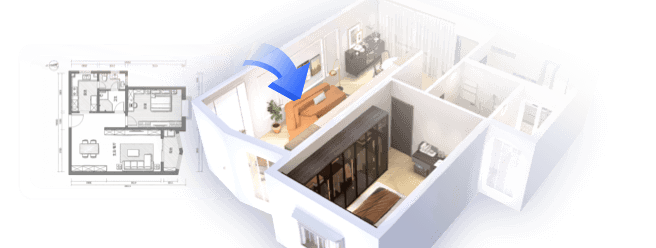
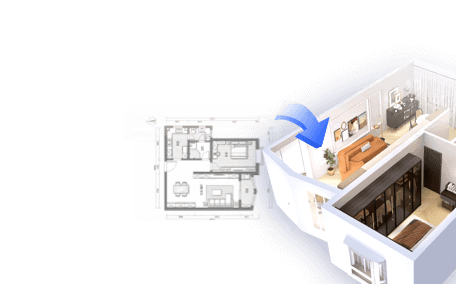
If you’re unsure whether a piece will overwhelm the room, sketch the layout before moving heavy furniture. Homestyler can help you test furniture placement and compare proportions before you commit to a new arrangement. I like this step for large pieces in particular; it’s much easier to move a digital cabinet than to drag one across a rug twice.

Avoid the common mixing mistakes
The first trap is treating every old object as precious. A room needs practical surfaces, comfortable seating, and enough space to move. If a chair is too fragile for daily use, place it where it can be appreciated rather than forcing it into the busiest spot.
The second is buying antiques just because they look “authentic.” A piece that doesn’t fit your room, routine, or budget won’t become right through styling. Check dimensions, condition, and repair needs before you bring it home. For secondhand furniture, inspect the underside and joints, and ask about odors or past repairs. If you’re uncertain about pests or structural damage, pause and get advice before bringing it indoors.
Color can also become a problem. Dark wood, dark walls, and heavy patterned textiles all at once can make a room feel dense. Balance them with lighter upholstery, a pale rug, or open wall space. On the other hand, painting every old piece to make it “match” can erase the very character you wanted. I’d keep a sound original finish unless it’s damaged or genuinely wrong for the room.
Finally, don’t confuse collected with cluttered. Group small objects in a few deliberate places, and leave some surfaces clear. A single framed artwork above a cabinet often looks more confident than a crowded arrangement of little things. The goal is not to prove that every object has a story. It’s to make the room feel like those stories belong there.
Start with one piece you love
A modern heritage interior doesn’t need a shopping list or a perfectly restored house. It needs a thoughtful mix: one or two pieces with history, contemporary furniture that supports everyday life, and a palette that lets both belong. Begin with the item you already love, then adjust the room around its scale and color.
Try moving a vintage chair beside a simple sofa, or placing a family table under a modern pendant. Live with the arrangement for a few days before buying anything. If the room feels crowded, remove one object; if it feels disconnected, repeat a material or color in a smaller detail.
Originally incubated at Autodesk, Homestyler has grown into one of the most widely adopted home design platforms in the world, now trusted by over 20+ million registered users (platform data, 2026). Whether you're a homeowner exploring ideas or a professional designer delivering client-ready renders, Homestyler brings industry-leading 3D technology to your fingertips — no experience required.
For a final layout check, use Homestyler to compare placements and see how the old and new pieces work together. Then make the change in the room, keep what feels natural, and let the furniture earn its place.
지금 무료로 디자인하세요