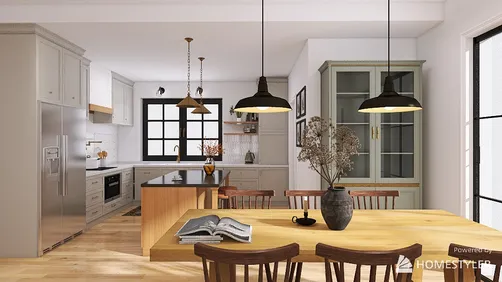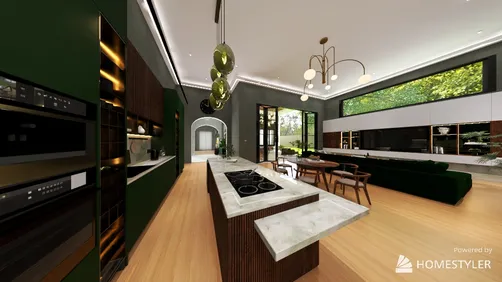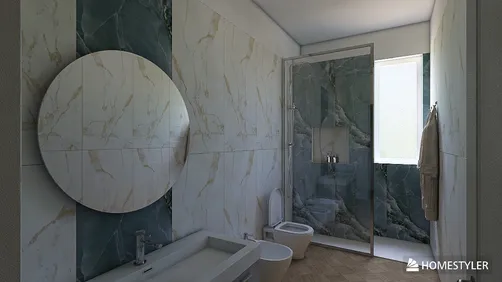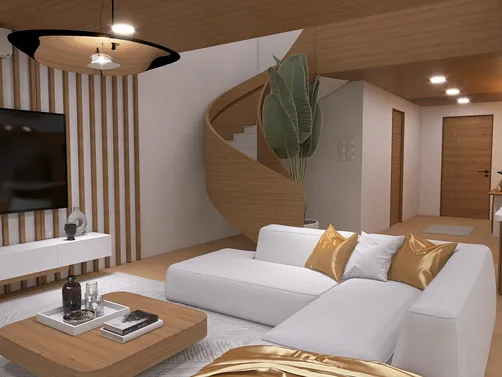
- Look up: Can a shelf or a row of hooks use empty wall space?
- Look down: Is there room under the bed, sofa, or console?
- Look behind: Could the back of a door hold a slim organizer?
- Look inside: Are shelves adjustable, or is unused vertical space sitting above short items?
- Look at the floor plan: Is a piece of furniture interrupting a route you use every day?
A small apartment can feel perfectly comfortable until everyday things start competing for the same few surfaces. Coats land on chairs, kitchen tools crowd the counter, and the spare blanket somehow lives on the sofa. The answer is rarely another bulky cabinet. It is usually a better use of the space you already have.
If you’re looking for ways to leben in kleiner wohnung without feeling surrounded by stuff, start by thinking vertically, choosing furniture that earns its footprint, and giving awkward corners a job. These ideas work in rentals as well as owned homes, and most don’t require drilling, custom carpentry, or a weekend-long renovation. The goal isn’t to hide every possession. It’s to make the things you use easy to reach and the things you don’t use stop taking over.
Start with the space you already have
Before buying organizers, take a quick inventory of the places where clutter gathers. A five-minute walk through your home can reveal more useful storage than a shopping trip. Look above eye level, beneath furniture, behind doors, and inside the gaps beside appliances. Those overlooked areas often hold the easiest wins.
Measure the spots you want to use, including the height and depth. A narrow shelf that fits beside a wardrobe may be more useful than a wide unit that blocks a walkway. In a small home, a few inches matter: a cabinet door that swings into a passage or a basket that sticks out from under the bed can make a room feel cramped.
I like to sort belongings by how often they’re used before deciding where they go. Daily items should be easy to reach; seasonal or occasional items can live higher up or under furniture. That simple rule prevents the classic small-apartment mistake of storing the coffee mugs on the top shelf while keeping a rarely used serving bowl at eye level.
Try this quick audit:


Leben in kleiner Wohnung: make vertical storage work
When floor space is limited, walls can do more of the work. A tall, narrow bookcase uses a smaller footprint than a low, wide unit with similar capacity. Wall shelves can hold books, plants, or kitchen jars, while hooks keep bags and coats off chairs. The trick is to use vertical storage selectively rather than covering every wall with shelves.
In a rental, check your lease and ask before installing anything that needs substantial drilling. For lighter items, removable hooks may be an option, but follow the product’s weight limits and surface instructions. They’re not a safe choice for every wall finish or heavy object. Freestanding shelves, over-door organizers, and tension poles can offer alternatives when you need to avoid holes.
A few practical ways to use height:
- Choose a tall, slim bookcase. Put frequently used items on the middle shelves and lighter, occasional items higher up. Anchor tall furniture according to the manufacturer’s instructions, especially in homes with children or pets.
- Add hooks where you naturally drop things. A small row near the entry can hold a daily bag, keys, or a light jacket. Keep the number limited; too many hooks can turn a tidy wall into a visual pile.
- Use the back of a door. A shallow organizer can hold cleaning supplies, accessories, or pantry items. Measure the clearance first so the door still closes.
- Stack matching containers on high shelves. Clear or consistently labeled bins make it easier to find seasonal items without pulling everything down.
- Use shelves to define zones. A narrow open unit can separate a sleeping area from a living space while providing storage on both sides. Leave enough room to move comfortably around it.
Open shelves are convenient, but they show everything. I’d reserve them for items you use often or genuinely enjoy seeing, then put the less attractive odds and ends behind doors or in baskets. That balance keeps storage useful without making the room feel like a stockroom.
Give furniture a second job
In a small home, furniture should do more than occupy floor space. A storage ottoman can hold throws and double as a footrest. A bed with drawers can replace a separate dresser. A dining table that folds or extends can serve everyday meals without permanently claiming the center of the room.
Before buying multifunctional furniture, check the details that product photos tend to hide. Can you open the storage compartment when the piece is in its intended position? Does a sofa bed leave enough room to walk around when opened? Will a lift-up bed be easy to use every day, or will the mechanism become one more thing you avoid?
| Storage idea | Best for | Check before choosing |
|---|---|---|
| Storage ottoman | Blankets, games, or spare cushions | Lid clearance and whether it’s comfortable to sit on |
| Bed drawers | Clothes, linens, or shoes | Drawer access on the sides and clearance from walls |
| Nesting tables | Flexible living-room surfaces | Whether the smaller tables are easy to pull out |
| Folding dining table | Small kitchens or studio apartments | Where the chairs will go when the table is folded |
| Slim console with drawers | Entryways and narrow passages | Depth, door swing, and walking clearance |
Under-bed storage is especially useful for items you don’t need every day. Use low drawers or lidded containers that slide out easily, and keep the contents grouped by purpose. A container of winter bedding is easier to manage than a jumble of spare cables, old clothes, and holiday decorations. If dust is a concern, choose a covered option rather than open baskets.


Make awkward corners and entryways useful
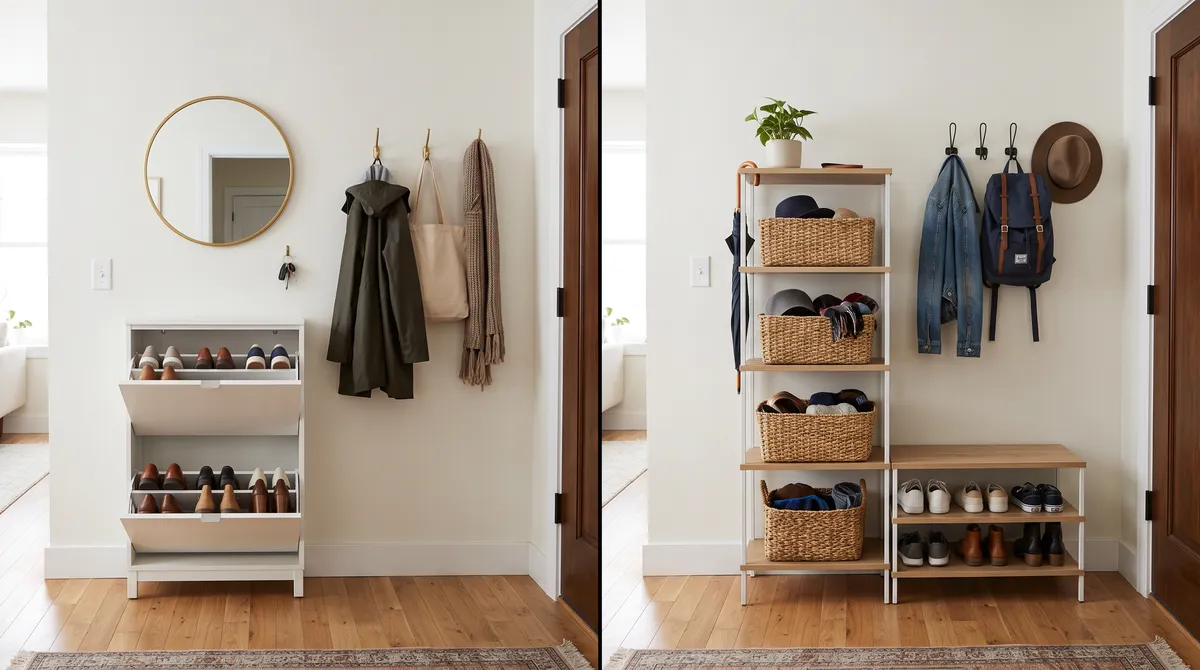
The entryway is often the first place clutter becomes visible, even when it’s only a few feet wide. A slim shoe cabinet can keep footwear contained, while a small tray gives keys and mail a predictable landing spot. If there’s no room for a cabinet, a short row of hooks and one basket may be enough. The best setup is the one you can reset in seconds when you come home.
Corners deserve a closer look, too. A narrow rolling cart can fit beside a refrigerator or bathroom vanity, and a corner shelf can use space that a standard cabinet would leave empty. In a living room, a floor lamp with a small shelf or a side table with a drawer can add function without introducing another large piece.
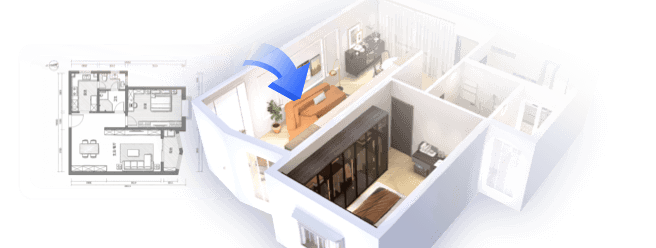
For a rental-friendly setup, prioritize pieces that stand on their own: a freestanding coat rack, a slim shoe cabinet, a rolling cart, or a shelf that can move with you. If you’re unsure whether a new storage piece will crowd the room, sketch its footprint on the floor with painter’s tape first. You can also map the room and test furniture proportions in Homestyler before rearranging or buying anything.

Keep the system easy to maintain
Storage only helps if you can put things away without a complicated routine. Give everyday items a clear home, and avoid filling every shelf to the edge. A little empty space makes it easier to return things and spot what you already own.
A useful reset can be as simple as this:
- Keep one basket near the sofa for items that belong in other rooms.
- Store cleaning supplies close to the areas where you use them.
- Put seasonal belongings in a small number of clearly grouped containers.
- Review the entryway and kitchen counter once a week.
- Remove items you no longer use before adding another organizer.
If a storage solution requires moving three other things first, it probably won’t last. I’d rather have one accessible basket that gets used than a perfectly coordinated set of boxes that nobody wants to open. For a small apartment, convenience is part of the design.
What began as an Autodesk innovation has evolved into a design platform used by more than 20+ million registered users (platform data, 2026) around the globe. Homestyler combines powerful rendering, an intuitive editor, and a vast furniture library to help you turn inspiration into photorealistic designs — whether you're redesigning a single room or planning an entire home.
Start with one problem area, not the whole home. Measure it, choose one change, and live with it for a few days before adding more. That’s how you find out whether a shelf is genuinely useful or just another surface waiting to collect clutter. If you want to test a layout before shifting furniture, Homestyler can help you preview the room and check whether your storage ideas leave enough space to move around.
Дизайн сейчас бесплатно