| Space or condition | A practical starting point |
|---|---|
| Sunny balcony | A few deep containers for herbs or compact vegetables |
| Shaded patio | Ferns, shade-tolerant foliage, and leafy greens suited to the light |
| Narrow walkway | Wall-mounted planters or a slim vertical trellis |
| Rental home | Freestanding pots, railing planters approved by the building, and movable screens |
| Windy upper floor | Heavy, stable containers and lower-growing plants |
A small patio can feel like a garden, a storage closet, and a walkway all at once. The trick is not squeezing in more pots; it’s giving each one a job and keeping a little breathing room. These garden ideas for small outdoor spaces focus on practical ways to grow herbs, flowers, and even a few vegetables without blocking the door or sacrificing the only place to sit.
Start by noticing where the sun lands, how you move through the space, and what you actually want to grow. A balcony with four hours of sun calls for different plants than a shaded courtyard. Once those basics are clear, a few well-chosen containers and a vertical element can make a modest outdoor area feel intentional rather than crowded.
Start With the Space You Have
Before buying plants, measure the usable floor area and mark the path from the door to the spot where you sit. A clear route matters more than another decorative pot. In a narrow balcony, even a 24-inch (61 cm) passage can make daily use easier; check your building’s rules and keep exits, drains, and railings unobstructed.
Then track sunlight for a day. Full-sun vegetables such as tomatoes generally need several hours of direct light, while leafy greens and many herbs can tolerate less. The exact needs vary by variety, so use plant tags as a guide rather than assuming every “patio” plant behaves the same way. Wind matters, too: exposed balconies dry out quickly, and tall lightweight pots can tip.
I like to choose one main purpose first: a place to eat, a small herb garden, or a leafy view from indoors. That decision sets a useful limit. For a compact setup, repeat a few materials and colors instead of collecting every pot that catches your eye. Terracotta, dark green foliage, and one warm accent color are an easy combination that looks considered without requiring a matching set.


Garden Ideas for Small Outdoor Spaces That Use Height
When floor space is scarce, look up. A trellis, tiered stand, or wall-mounted planter can add planting area without turning the ground into an obstacle course. Vertical gardening works best when it’s planned around weight, watering, and access. A lush wall is appealing in a photo; a wall that drips onto the downstairs neighbor is less charming.
Try one vertical feature rather than several competing ones. A narrow trellis can support climbing beans or flowering vines, while a tiered stand keeps small herb pots together. For a rental, a freestanding ladder shelf or a tall planter with a built-in support is easier to move than a permanent wall installation. Check railing and building rules before attaching anything outdoors.
Containers need drainage holes, and saucers should be emptied after watering so roots aren’t left sitting in water. Use potting mix made for containers, not dense garden soil, which can compact in a pot. Group plants with similar water needs together; thirsty basil and drought-tolerant succulents are not ideal roommates.
Here are a few small-space combinations that are easy to adapt:
- Herb rail: Use a secure railing planter for compact herbs, if your building permits it. Keep the planter inside the railing when required, and avoid placing it where water can drip below.
- Trellis corner: Set a slim trellis behind a deep pot. Choose a climber suited to your light and climate, and leave room to reach the pot for pruning.
- Tiered greens: Put shallow containers of lettuce or other suitable greens on a stable three-tier stand. The upper level may dry faster, so check it first.
- One edible centerpiece: Grow a compact tomato or pepper in a suitably sized container, then surround it with low flowers or herbs that share its light and watering needs.


Make Containers Earn Their Keep
Containers are the most flexible tool in a small garden. They can define a corner, soften a hard wall, or bring color close to a chair. But a collection of tiny pots often needs more frequent watering and can look busy. I’d rather use a few appropriately sized containers than a dozen miniature ones that dry out by lunchtime.
Choose pots based on the plant’s mature size, not just the seedling you bring home. Larger containers hold moisture longer, though they’re heavier to move. If you need a flexible layout, use lightweight resin or fabric pots and place them on a wheeled plant caddy; keep the heaviest containers on the ground. A simple grouping of three different heights usually reads better than lining every pot along the edge.
| Container choice | Best for | Watch out for |
|---|---|---|
| Deep, wide pot | Compact vegetables and larger herbs | Weight when filled; plan its final position first |
| Window or railing box | Herbs and trailing flowers | Secure mounting and drainage direction |
| Tiered stand | Small pots and leafy greens | Stability, wind exposure, and access to each level |
| Fabric grow bag | Seasonal vegetables and easy storage | Faster drying and a less polished appearance |
| Self-watering planter | People who miss occasional watering | Follow the maker’s setup instructions and monitor moisture |
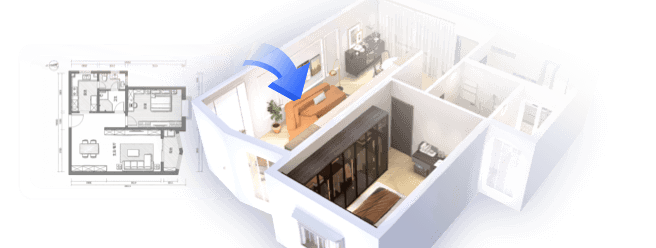
A small outdoor space also benefits from a non-plant element: a folding chair, a narrow bench, or a lantern. Keep the palette restrained so foliage can do the visual work. If you’re unsure whether a tall planter will crowd the seating area, sketch the footprint first. Homestyler can help you test the arrangement and compare proportions before you buy or move heavy containers.


Keep It Comfortable, Not Just Green
A garden should be pleasant to use, not merely full of plants. Leave enough room to pull out a chair, open the door, and reach the watering can. If the space is very narrow, a folding chair or a stool that doubles as a plant stand can do more than a bulky outdoor set. A small outdoor rug can define a sitting zone, but choose one that can dry properly and won’t block drainage.
For privacy, try a trellis with a suitable climbing plant or a movable screen rather than surrounding the whole patio with tall containers. A screen can also soften a blank wall, but make sure it is stable in wind. Lighting can be simple: a battery lantern or a few outdoor-rated lights create a softer evening atmosphere without taking up valuable floor space. Follow the product’s outdoor-use instructions and keep cords away from wet areas.
A few habits make compact gardens easier to maintain:
- Group pots by watering needs and check them more often during hot, windy weather.
- Keep a small tray or watering can nearby so routine care doesn’t become a chore.
- Remove spent flowers and damaged leaves before they make a tight arrangement look untidy.
- Store seasonal tools in one lidded container rather than scattering them around the patio.
- Reassess the layout after a few weeks; plants grow, and the original arrangement may need more space.
If you’re renting, favor changes you can reverse: freestanding shelves, movable pots, and outdoor textiles that can be packed away. Avoid drilling or attaching heavy items without permission. A flexible setup is not a compromise; it’s often the smartest way to make a small garden work through changing seasons and changing homes.
Begin With One Good Corner
You don’t need to fill every inch to make an outdoor space feel like a garden. Start with one sunny or shady corner, choose a few plants that suit its conditions, and leave a clear place to sit. Add height only where it solves a real problem, and pick containers you can water and move without a struggle.
Homestyler's roots trace back to Autodesk, the global leader in design and engineering software. That heritage lives on in every feature we build. Today, with a community of more than 20+ million registered users (platform data, 2026) worldwide, Homestyler continues to make professional-quality interior design accessible to everyone — from first-time decorators to seasoned architects.
The best garden ideas for small outdoor spaces are the ones you’ll keep using after the first burst of enthusiasm. A compact herb grouping, a trellis, and one comfortable chair can be enough. If you want to test the layout before committing to a purchase, sketch the patio and try a few arrangements in Homestyler. Then make one change at a time and let the garden grow into the space.
Design Now for FREE