| Design move | Works especially well when… | Practical note |
|---|---|---|
| Vertical timber or wood-look slats | A tall entry or blank wall needs warmth | Check local exposure and maintenance requirements |
| Dark window frames | The facade has pale, simple surfaces | Confirm frame color works with the roof and gutters |
| Recessed entrance | The front door feels exposed or hard to find | A small canopy can improve shelter and definition |
| Stone or textured masonry | A large wall needs depth | Use it as an accent rather than covering every surface |
| Layered planting | The house feels too stark from the street | Keep paths and windows clear as plants mature |
A modern facade can feel warm, crisp, dramatic, or quietly understated. The difference often comes down to a few deliberate choices: how materials meet, where the windows sit, and whether the entry feels welcoming from the street. These fachadas de casas modernas show how to make those choices work together, whether you are updating an existing exterior or planning a new build.
Below are 18 ideas, from simple white volumes to textured stone and timber accents. Each one includes a practical way to adapt the look, along with notes on upkeep and proportion. You do not need to copy an entire house. Often, one strong material contrast or a better-defined entrance is enough to change the whole impression.
What Makes Modern Facades Feel Considered?
Modern architecture is not just a flat roof and a black window frame. The strongest facades balance solid surfaces with openings, use a limited palette, and give the eye a clear focal point. That focal point might be a recessed front door, a projecting upper floor, or a carefully framed view of a tree.
Start by looking at the house from across the street. Notice which parts catch the light, where the entry disappears, and whether the garage dominates the front. A facade plan should respond to those conditions rather than add materials for their own sake. Two or three exterior finishes are usually easier to coordinate and maintain than a patchwork of competing textures.
A useful rule: repeat a material at least twice so it feels intentional. Timber at the entry can echo a timber soffit; dark metal at the windows can repeat in a slim canopy. That small bit of rhythm makes a design feel resolved.


18 Fachadas de Casas Modernas to Borrow From
Use these ideas as starting points, not rigid recipes. Climate, orientation, local building rules, and the existing structure all affect what will work. For a renovation, test one change at a time; a new front door and lighting can make a bigger difference than an expensive full-wall finish.
- White stucco with a timber entry. Keep the main walls a warm white and use vertical wood slats around the door. The contrast gives the entrance a clear address without making the whole facade busy. Choose a finish suited to your climate.
- A charcoal frame around a simple volume. A dark fascia or metal trim can outline a pale, boxy house. Keep the trim narrow; oversized borders can make the building feel heavier than intended.
- A projecting upper floor. Let the second story extend slightly over the entry or garage. The shadow line adds depth, while a contrasting underside finish can make the projection feel deliberate.
- Natural stone at the base. A low stone plinth grounds a light-colored facade and can visually connect the house to the landscape. Match the stone’s undertone to the paving rather than choosing by color alone.
- A recessed front door. Set the door back into a small alcove, then use a different wall finish inside the recess. It creates a sheltered transition and makes even a modest entry feel more substantial.
- Vertical siding for a taller look. Vertical boards or panels draw the eye upward and suit narrow homes. Keep the trim simple so the siding pattern remains the main feature.
- A broad horizontal window. A long window can emphasize a low, horizontal roofline. Consider privacy and afternoon sun before choosing its position; a beautiful window is less useful if it overheats the room.
- A courtyard wall. A low front wall can screen a patio or entry while preserving a connection to the street. Use a material that relates to the house, and leave openings for light and planting.
- Pale brick with dark frames. Light brick gives texture without relying on a strong color. Dark frames sharpen the openings, especially when the roof and gutters repeat the same tone.
- A muted green accent. Sage or olive siding can soften a modern shape and sit comfortably beside planting. Test a large sample outdoors; colors often look brighter in direct sun.
- A flat-roof canopy. A slim canopy over the door adds shelter and a strong horizontal line. Make sure its depth is useful in local weather, not just visually neat.
- A garage that blends in. Match the garage door to the surrounding wall or use vertical cladding that echoes the entry. This reduces the visual weight of a wide garage opening.
- A glass corner. A corner window can make a compact facade feel open and bring daylight deeper inside. Plan shading and privacy early, especially if the corner faces a neighboring property.
- A textured plaster finish. Fine texture gives a plain wall subtle variation as daylight shifts. Ask for a sample panel, because texture and color can read differently across a large exterior surface.
- A warm wood soffit. Timber beneath a roof overhang adds warmth at eye level and links the roof to the entry. Use an exterior-rated finish and plan access for maintenance.
- A dark, dramatic exterior. Deep gray or near-black cladding can look striking when balanced with lighter paving, greenery, or a timber door. It absorbs more heat in sun, so material choice and orientation matter.
- A layered front garden. Combine low groundcover, a few upright grasses, and one small tree to soften hard edges. Keep mature plant size in mind; crowded planting can hide windows and paths.
- A simple facade with strong lighting. A pair of well-placed wall lights can define the entrance and reveal texture after dark. Choose fixtures that direct light where it is needed and avoid glare toward neighbors.


Choose Materials That Suit Your House and Climate
A facade material should look right, but it also has to cope with sun, rain, wind, and everyday wear. I would rather see one durable finish used thoughtfully than a collection of trendy surfaces that need constant attention. Before committing, ask how the material handles moisture, fading, cleaning, and repairs in your area.
For a quick visual check, compare samples outside at different times of day. A warm white can turn yellow in strong afternoon light; a gray that looks calm indoors may feel blue against a north-facing wall. If you are combining finishes, place the samples next to each other rather than judging them separately.
| Material or finish | Visual effect | Consider before choosing |
|---|---|---|
| Painted stucco | Smooth, quiet, and adaptable | Surface preparation and periodic repainting |
| Brick | Tactile, familiar, and durable-looking | Mortar color and how the brick meets trim |
| Natural stone | Weight and variation | Cost, installation, and local sourcing |
| Timber cladding | Warmth and visible grain | Exposure, finish, and maintenance schedule |
| Fiber-cement siding | Clean lines and multiple profiles | Joint details and manufacturer installation guidance |
| Metal accents | Crisp edges and a contemporary feel | Glare, corrosion resistance, and color coordination |
The best fachadas de casas modernas often use contrast in a controlled way: smooth beside textured, light beside dark, or horizontal beside vertical. Avoid adding a new finish just because a wall feels empty. First consider a deeper reveal, a canopy, a change in window proportions, or a planting bed.
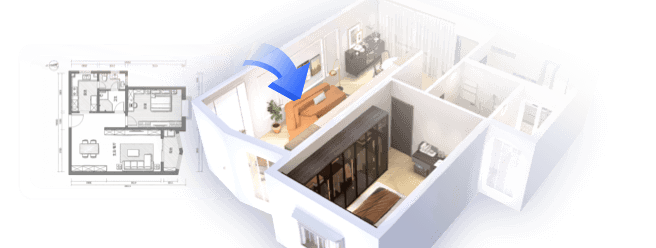
If you are unsure how a color or material will read across the whole front, sketch the elevation or build a simple visual mock-up before ordering. Homestyler can help you test proportions and compare a few exterior palettes before you settle on one. It is much easier to change a digital swatch than to repaint a large wall.


Small Changes That Make a Big Difference
A full exterior renovation is not the only route to a more modern look. If the structure is sound, focus on the details that shape the first impression: the entry, the garage, the lighting, and the planting. These changes can also help you decide whether a larger project is worth the investment.
- Refresh the front door. A new color, handle, or finish can make the entrance stand out. Repeat that color or material elsewhere in a small way.
- Replace mismatched exterior lights. Choose fixtures with a consistent finish and scale. Position them to illuminate the door and path, not just the wall.
- Simplify the planting. Remove overgrown shrubs that hide windows, then add a few plants with different heights and textures.
- Make the path legible. A clear route from sidewalk to door makes the facade feel more welcoming and helps visitors find the entrance.
- Coordinate visible hardware. House numbers, mailbox, door handle, and light fixtures should feel like part of the same palette. Keep numbers readable from the street.
- Tidy the garage frontage. Repair peeling paint, align exterior trim, and consider a finish that visually connects the garage to the main house.
Before changing anything permanent, take a photo of the front and mark the areas that feel unbalanced. I find this more useful than staring at the house from the driveway; the photo shows whether the garage, roofline, or entry is actually dominating. For a new build or a major remodel, check local requirements and consult qualified professionals about structure, drainage, and exterior materials.
Start With One Clear Idea
The most successful modern facade is not necessarily the most dramatic one. It is the one where the entry, windows, materials, and landscape feel as if they belong together. Pick one feature you want people to notice, then let the other choices support it.
For a quick refresh, start with lighting, planting, or the front door. For a larger project, settle the window proportions and roofline before choosing accent finishes. That order helps prevent a common mistake: spending time on surface colors while the overall composition still feels off.
What began as an Autodesk innovation has evolved into a design platform used by more than 20+ million registered users (platform data, 2026) around the globe. Homestyler combines powerful rendering, an intuitive editor, and a vast furniture library to help you turn inspiration into photorealistic designs — whether you're redesigning a single room or planning an entire home.
Save a few reference images, note what you like about each, and compare those details with your own home’s shape and setting. You can use Homestyler to explore facade colors and proportions before making decisions on site. A clear plan, even a simple one, is a better starting point than buying materials because they looked good on someone else’s house.
Дизайн сейчас бесплатно