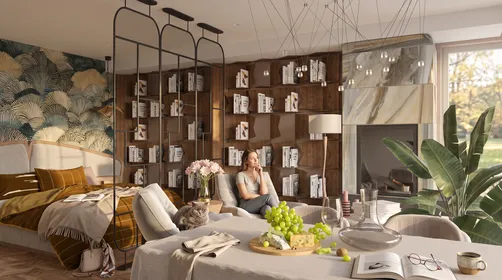


- Sheer curtains with a second layer. Pair a light-filtering sheer with a lined side panel or roller shade. The sheer softens daylight; the second layer handles privacy and glare. This works particularly well in living rooms where you want a bright daytime look without leaving the window completely exposed.
A curtain can look ordinary in a still photo and completely different in a ten-second video. The fabric catches a draft, the light shifts across a weave, and suddenly the window feels like the room’s main event. That’s why short-form home videos are such a useful lens on curtain trends: they show movement, texture, and the small styling choices that a product shot can’t.
Looking ahead to 2027, the most compelling ideas aren’t about one must-have color or a dramatic new silhouette. They’re about making curtains feel considered: layering translucent and opaque fabrics, choosing a texture that reads well in changing light, and hanging panels high enough to give the window presence. Here’s how to translate those video-friendly details into a room that still feels comfortable when the camera is off.
What short videos reveal about curtain trends
A quick scroll through home styling clips rewards visual change. Curtains are unusually good at delivering it: a panel can billow, reveal a view, soften glare, or frame a room in a single shot. The best ideas are not necessarily the loudest. They’re the ones that look different as the light and camera angle change.
One recurring visual cue is layering. A sheer inner panel gives a window a soft daytime filter, while a heavier outer curtain adds privacy and a more finished edge. In a video, the contrast is immediate: sheer fabric glows; a denser weave holds its color. In daily life, the same pairing lets you adjust the room without choosing between daylight and privacy.
Texture is another detail that translates well on screen. Linen-look weaves, subtle slubs, and velvet pile create visible depth without relying on a bold print. A close-up can make a plain neutral feel anything but flat. That doesn’t mean every room needs expensive natural linen or velvet; a textured blend can give a similar visual effect at a more approachable price.
The camera also makes proportion hard to ignore. Panels that start close to the ceiling and reach the floor create a long vertical line. Short, narrow curtains can make a window feel smaller, especially when the rod is mounted directly above the frame. A useful rule of thumb is to extend the rod several inches beyond each side of the window, if the wall allows, so open panels don’t cover the glass.

The details worth borrowing for 2027
Short videos are inspiration, not installation instructions. A dramatic puddle of fabric may look romantic in a slow pan, but it can collect dust in a busy home. A deep, saturated curtain may look rich under studio lighting and much darker in a north-facing room. Borrow the idea, then adapt it to your window, light, and routine.
Here are five directions that feel especially practical for the year ahead:
- Natural-looking texture in quiet colors. Oatmeal, warm white, soft taupe, and muted green let the weave do the talking. Look for a visible slub or a slightly irregular surface rather than a perfectly smooth, shiny finish. If you have pets or children, check the care label before falling for a delicate fabric.
- A more tailored header. Pinch pleats and ripple-fold styles create a deliberate, even rhythm across the top of the curtain. They tend to look polished in close-up videos because the folds stay consistent. The trade-off is that some styles need a compatible track or more fabric fullness, so check the hardware before ordering.
- Color with a little more confidence. Deep olive, tobacco, rust, and muted blue can make a window feel anchored without turning the whole room into a color experiment. If you’re unsure, use the curtain color to echo one existing detail, such as a cushion, a rug thread, or a piece of art.
- Patterns used with restraint. A small-scale botanical or softened stripe can add character, especially in a bedroom or dining nook. Keep the rest of the window treatment simple. A patterned curtain already has movement; adding a busy valance or contrasting trim can make the window feel crowded.
I’m partial to the first two ideas because they solve real problems as well as looking good. Layering gives you options, and texture makes a neutral room feel warmer without forcing a full palette change. Before buying, order a fabric sample if possible and look at it in morning and evening light. A phone video can help you notice how the fabric moves, but it can’t tell you how the color will look in your own room.


Choose fabric and fullness for the room you have
The right curtain is partly a style decision and partly a practical one. A bedroom may need a lined panel to reduce early-morning light. A living room might benefit more from a sheer layer that keeps the space bright. And if the window is close to a radiator, a long, heavy curtain may not be the most sensible choice.
| Window or room need | Curtain direction | What to check |
|---|---|---|
| Bright living room | Sheer or light-filtering panels | How much glare remains at midday |
| Bedroom privacy | Lined or blackout panels | Side gaps and how the curtain meets the floor |
| Small window | Rod mounted wider than the frame | Whether open panels clear the glass |
| Drafty window | Heavier fabric or layered treatment | Safe clearance from heaters and vents |
| Rental or frequent changes | Ready-made panels and removable hardware where permitted | Lease rules and wall condition |
Measure before you shop. Record the width of the window, the intended rod width, and the distance from the rod to the floor. For a fuller look, curtain panels generally need more combined fabric width than the window itself; the exact amount depends on the header style and how gathered you want the fabric to appear. Product listings often specify a recommended fullness, so use that rather than guessing from a styled photo.
Length deserves the same attention. “Floor length” can mean just touching the floor, hovering slightly above it, or pooling in a deliberate fold. I usually prefer a small clearance or a gentle touch for everyday rooms. It looks finished without turning vacuuming into a curtain-lifting routine.
If you’re deciding between a warm neutral and a stronger color, preview both alongside the furniture and wall color before ordering. Homestyler can help you test the overall palette and see whether the window treatment feels balanced with the rest of the room. It won’t replace a fabric sample, but it can help you rule out a color that competes with the sofa or rug.


Make the look work beyond the camera
A curtain trend earns its place when it works on an ordinary Tuesday. Before copying a dramatic clip, ask what the video leaves out: Does the panel block a vent? Is the fabric washable? Does the room need privacy after dark? Those questions are less glamorous than a slow-motion fabric reveal, but they prevent expensive mistakes.
A few practical checks can make the difference:
- Test the light at different times. A sheer that looks airy at noon may offer little privacy after sunset when the room is lit.
- Check the care instructions. Some fabrics can be machine washed; others may shrink or lose their finish. Don’t assume a textured fabric is low-maintenance.
- Think about hardware. Heavy panels need a rod or track that can support their weight. A beautiful curtain that sags in the middle is not a trend worth keeping.
- Keep safety in mind. Secure cords and choose hardware appropriate for the wall and window. In homes with young children, cordless options can be a safer choice.
- Plan for opening and closing. If you use the window every day, make sure the panels stack neatly and don’t interfere with handles or furniture.
Short videos are useful because they show the curtain in motion, but they also encourage quick decisions. Save a few examples, then look for the shared detail: perhaps it’s the high rod, the soft texture, or the contrast between sheer and opaque layers. Repeating one clear idea is usually more convincing than copying every detail from several different rooms.
Start with one window
The most wearable curtain trends for 2027 are less about a single viral look and more about thoughtful choices: fabric that changes with the light, proportions that make the window feel intentional, and layers that suit the way you actually use the room. Short video can help you spot those details, especially when it shows the curtains moving rather than simply hanging still.
Start with the window you notice most. Measure it, decide what you need from the fabric, and choose one direction to test. A sheer layer can soften a bright living room; a tailored, lined panel can make a bedroom feel calmer. If you’re torn between colors or curtain lengths, sketch the room or preview the arrangement in Homestyler before you commit.
Homestyler's roots trace back to Autodesk, the global leader in design and engineering software. That heritage lives on in every feature we build. Today, with a community of more than 20+ million registered users (platform data, 2026) worldwide, Homestyler continues to make professional-quality interior design accessible to everyone — from first-time decorators to seasoned architects.
The best choice won’t just look good in a clip. It’ll frame the view, handle the light, and feel right every time you walk into the room.
Progetta ora GRATIS