
| Look | Palette | Best detail to repeat | Good fit for |
|---|---|---|---|
| Heritage holiday | Deep red, green, brass | Plaid or velvet ribbon | Traditional rooms |
| Sage and pearl | Sage, ivory, soft gold | Matte and pearly finishes | Light, calm interiors |
| Woodland | Brown, cream, forest green | Pinecones and natural textures | Rustic or cottage rooms |
| Gingerbread whimsy | Warm brown, red, cream | Cookie-inspired shapes | Family trees |
| Quiet metallic | Champagne, ivory, muted gold | A few reflective ornaments | Small rooms that need light |
A tree can feel completely new without replacing every ornament you own. For Christmas tree inspo 2026, the most useful shift is toward a clear point of view: a saturated color, a tactile ribbon, a playful theme, or a few meaningful pieces that make the whole tree feel personal. Current 2026 roundups are leaning into heritage reds, velvet bows, gingerbread whimsy, woodland textures, and softer combinations such as sage and pearl.
The trick is choosing one idea that suits your room, then repeating it with restraint. Below are 20 styles to save, plus practical ways to build each look with what you have, what to make, and what to buy only if you truly need it.
Start with a 2026 palette that works in your room
Before you pull out the ornament boxes, look at the colors already in the room. A tree beside a camel sofa and wood floors can take warm brass and cranberry; a pale, cool room may look better with silver, soft blue, or sage. The 2026 looks worth saving aren’t all maximalist. Some are rich and layered, while others rely on a small palette and varied finishes.
A simple formula keeps the tree from looking like a collection of unrelated purchases: choose two main colors, one supporting neutral, and one texture to repeat. For example, cherry red, cream, and brass with velvet; or sage, pearl, and natural wood with matte finishes. Keep sentimental ornaments, but group them where they can be seen instead of scattering them randomly.
I’d start with the ribbon or the topper, not a cart full of matching baubles. Those two choices establish the direction quickly, and you can fill gaps with ornaments you already own. If you want a more collected look, let one or two older decorations stay a little different; that contrast is often what makes a tree feel like yours.

20 Christmas tree inspo 2026 styles to save
Use these as starting points, not strict shopping lists. Most can be built by changing the ribbon, moving ornaments into color groups, or adding a handful of handmade details.
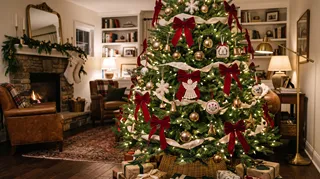
- Cherry-red velvet bows. Tie wide velvet ribbon into loose bows and tuck them into the branches. Add brass or clear ornaments so the red stays the star. Cost: low to moderate, depending on ribbon; difficulty: easy; time: about 45 minutes.
- Heritage plaid. Run a narrow plaid ribbon vertically through the tree, then repeat its colors in a few ornaments. It looks especially at home with traditional furniture and warm wood.
- Red and gold classic. Keep the familiar combination, but vary the finishes: matte red balls, a few glossy gold pieces, and one larger focal ornament. Too many shiny surfaces can make the tree feel busy.
- Gingerbread storybook. Mix gingerbread-person shapes, candy-inspired colors, and warm white lights. Handmade salt-dough ornaments can add personality; let them dry fully before hanging.
- Woodland gathering. Use pinecones, felt animals, dried orange slices, and simple wood ornaments. Keep heavier pieces close to the trunk so branches don’t sag.
- Sage and pearl. Pair muted green ornaments with ivory, pearl-like finishes, and a little brushed gold. This is a good choice if you want a softer tree that still feels festive.
- Nutcracker color. Bring in toy-soldier reds, navy, and gold, then use a few sculptural ornaments as the focal points. It works best when the palette stays tight.
- Champagne and French blue. Combine pale blue with champagne metallics and cream. Use the blue sparingly if the room already has strong color.
- Natural citrus. Hang dried orange slices with cinnamon sticks and small pinecones. The materials are inexpensive, but drying citrus takes several hours; make them ahead rather than on decorating night.
- Oversized statement bow. Place one large bow near the top or slightly off-center. It’s a quick way to refresh a tree you already like, and it avoids the “every branch needs a new ornament” trap.
- Frosted coastal. Use soft blue, white, and a few frosted ornaments, with natural textures to keep the result from feeling icy. Skip heavy tinsel if you want the branches to remain visible.
- Heirloom mix. Let family ornaments lead, then add a consistent ribbon color to tie them together. This is my favorite approach for a tree that should feel warm rather than showroom-perfect.
- Monochrome cream. Layer ivory, warm white, and pale wood. Different textures—knit, matte ceramic, and woven details—keep a single-color tree from looking flat.
- Berry-and-branch. Add faux berry picks and let some greenery show through. Place berries in small clusters instead of evenly spacing them like polka dots.
- Playful candy shop. Use peppermint-inspired stripes, bright red, and white ornaments. Keep the candy shapes to a few areas so the tree reads as playful, not cluttered.
- Minimal Scandinavian. Choose a few wood, paper, or felt ornaments and leave visible gaps between them. This style suits a smaller tree and a room where visual calm matters.
- Jewel-box jewel tones. Combine emerald, burgundy, and deep blue with warm lights. Repeat each color several times around the tree so no single side looks unfinished.
- Metallic mix. Blend brass, champagne, and a little silver rather than committing to one metal. Keep the finishes mostly muted; a few reflective pieces are enough to catch the lights.
- Family-made keepsakes. Add handmade ornaments, dated only if you want to, and let children choose a small section of the tree. A designated area makes decorating together easier and keeps fragile pieces safer.
- The “use what you own” tree. Sort your existing ornaments by color, choose one ribbon, and leave out anything that fights the palette this year. Store the extras together so next season’s reset is painless.
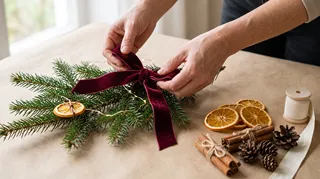
For a quick DIY detail, tie velvet bows in different sizes rather than trying to make every one identical. A little variation looks natural. I’ve also learned that ribbon wired at the edge is easier to shape than limp ribbon, especially when you want loops to hold their form.

Make the style fit your tree, not the other way around
A beautiful reference photo can still be wrong for your space. A tall, narrow tree needs a different balance from a wide one, and a small apartment tree may look better with fewer large ornaments than dozens of tiny ones. Before buying anything, check the tree’s height, the clearance around it, and whether the topper will fit beneath the ceiling.
For a fuller look, place lights deep in the branches first, then add larger ornaments, ribbon, and smaller details. Step back every few minutes. If one side feels heavy, move a few ornaments rather than adding more to the empty side. For a sparse tree, let the branch shape show and use fewer, more deliberate decorations.
Homestyler can help you test a palette against the room before you commit to a full set of new decorations. Try the tree’s colors alongside your sofa, rug, and wall tone, then adjust the balance until the tree feels connected to the space.

A few practical checks make decorating easier:
Visit Design Challenges- For a narrow tree: use vertical ribbon or slim garlands, and avoid oversized ornaments that crowd the branches.
- For a small room: choose a restrained palette and warm lights; a tree skirt in a similar tone helps the base feel less visually bulky.
- For pets or young children: keep breakable ornaments higher up and secure the tree so it cannot tip.
- For a rental or temporary setup: use a freestanding tree and avoid attaching decorations to walls or trim unless you know the finish can handle it.
Keep the tree beautiful after the first week
The best tree is one you can live with. Check that ornaments are secure, keep cords clear of walkways, and switch off lights when you leave or go to bed. If you use natural greenery or dried citrus, keep it away from heat sources and remove anything that becomes brittle.
When the season ends, pack ornaments by theme or color rather than tossing everything into one box. Wrap fragile pieces individually, coil lights loosely, and label storage containers with plain removable tags if you use them. Next year, you’ll be able to recreate a favorite look without starting from scratch.
Built on technology originally developed at Autodesk, Homestyler empowers anyone to design beautiful, realistic spaces in minutes. Join over 20+ million registered users (platform data, 2026) who have already discovered a smarter way to plan, visualize, and bring their dream homes to life — all from the comfort of a browser.
You don’t need to choose the most elaborate idea on this list. Pick one detail you genuinely love—a velvet bow, a handmade gingerbread ornament, or a few family keepsakes—and let the rest of the tree support it. If you’re still deciding between palettes, sketch the room and tree together in Homestyler before you decorate. Save the look that feels like home, then make it your own.
Design Now for FREE