- Burgundy velvet ribbon. Wind wide ribbon loosely through the branches, letting a few tails fall. Pair it with brass or clear glass. Cost: $10–$30; effort: easy; time: 30–45 minutes.
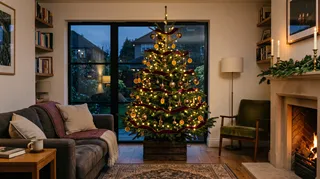
A Christmas tree can feel dated before the ornaments even come out: too much tinsel, a color scheme that looks like a store display, or a topper that’s fighting the room. The best christmas tree ideas 2026 aren’t about buying a whole new collection. They’re about choosing a clear mood, then mixing familiar pieces with one or two details that make the tree feel personal.
This guide brings together 25 looks, from nostalgic red and brass to quiet natural textures and playful icy color. You’ll find practical ways to build each style, plus quick notes on cost, effort, and time. Start with what you already own; a ribbon swap or a different way of grouping ornaments can change the whole tree.
Start with a look, not a shopping list
Before you decorate, take a quick look at the room around the tree. Note the colors already doing the work: a rust-colored sofa, pale wood floors, dark green curtains, or a bright rug. Your tree doesn’t need to match every one of them. It just needs to feel like it belongs in the same room.
A useful formula is to choose one main color, one supporting color, and one material that adds contrast. For example, forest green, warm white, and velvet; or silver, pale blue, and glass. Then repeat those choices in a few places instead of spreading every ornament evenly. Clusters look more intentional than a single bauble of each kind.
I like to keep a little imperfection in the mix. A tree made entirely of matching ornaments can look polished, but it can also feel like it arrived assembled. Keep the handmade star, the slightly lopsided paper ornament, or the decoration your kid made in kindergarten. Those are often the pieces people remember.
For a fresh 2026 direction, think in layers: a familiar base, a tactile accent, and one unexpected note. Velvet ribbon can soften shiny ornaments; dried citrus can warm up a cool palette; a few oversized shapes can make a small collection feel deliberate. You don’t need to follow a trend from top to bottom.

25 Christmas tree ideas 2026 worth trying
Use these as starting points, not rules. Costs are rough estimates for the added materials only; they vary with what you already have. Time assumes the tree is assembled and ready to decorate.
- Dried citrus and cinnamon. Add dried orange slices, cinnamon sticks, and simple twine for a warm, handmade look. Keep edible materials away from candles and heat. Cost: $5–$20; effort: easy; time: 45–60 minutes.
- Red, but not overly sweet. Mix deep red ornaments with aged brass, dark green, and a few matte finishes. Skip the matching red tinsel; the contrast keeps it grown-up. Cost: $15–$50; effort: easy; time: 45 minutes.
- Paper stars in a quiet palette. Fold or buy paper stars in cream, kraft, or soft white. Vary their sizes and leave breathing room between them. Cost: $5–$25; effort: moderate; time: 1–2 hours.
- A tree of collected memories. Bring together travel keepsakes, family ornaments, and handmade pieces. Repeat one ribbon color to make the mix feel connected. Cost: $0–$20; effort: easy; time: 30–60 minutes.
- Scandinavian wood and white. Use simple wooden shapes, white ornaments, and a few natural branches. A woven or plain fabric tree skirt keeps the base calm. Cost: $15–$60; effort: easy; time: 45 minutes.
- Icy blue and silver. Combine pale blue, silver, and clear glass, then use warm-white lights so the tree doesn’t feel cold. Cost: $20–$60; effort: easy; time: 45–60 minutes.
- One-color ornaments, many textures. Choose a single shade, such as cream or green, and mix matte, glossy, knitted, and ribbed surfaces. Texture does the work that extra colors would. Cost: $15–$50; effort: easy; time: 45 minutes.
- Oversized ornaments, fewer of them. Place a handful of large baubles deep and near the outer branches. This is especially useful on a tall tree that looks sparse from across the room. Cost: $15–$45; effort: easy; time: 30 minutes.
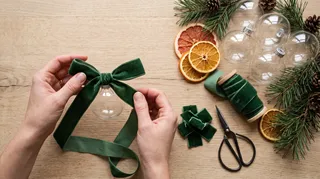
- A ribbon-only tree. Use two or three ribbon widths in related colors, with just a few ornaments. It’s a good option if you want a softer look without buying a new ornament set. Cost: $10–$35; effort: easy; time: 30–45 minutes.
- Vintage-inspired glass. Mix delicate-looking glass ornaments with simple modern shapes. Keep fragile pieces higher up if pets or small children share the room. Cost: $20–$80; effort: moderate; time: 45–60 minutes.
- A woodland tree. Add pinecones, felt mushrooms, small birds, and muted green. Keep the palette restrained so it reads as woodland rather than a craft-store explosion. Cost: $10–$45; effort: easy; time: 45 minutes.
- Black, brass, and evergreen. A few black ornaments can sharpen a traditional green tree. Use brass for warmth and avoid spreading the dark pieces in a rigid pattern. Cost: $15–$50; effort: easy; time: 45 minutes.
- A candy-cane accent, not a theme takeover. Add striped ornaments or red-and-white ribbon to a mostly neutral tree. A small dose feels playful; covering every branch can get busy fast. Cost: $10–$35; effort: easy; time: 30 minutes.
- Handmade felt ornaments. Felt shapes add color without the shine of glass. They’re lightweight, forgiving, and a sensible choice for lower branches in a family room. Cost: $10–$40; effort: moderate; time: 1–2 hours.
- A coastal winter tree. Try soft blue, sand, white, and a few shell-like shapes. Keep the materials subtle; the goal is a winter palette, not a beach souvenir display. Cost: $15–$50; effort: easy; time: 45 minutes.
- Metallics with a matte finish. Pair brushed gold or copper with matte ornaments in a related color. The mix catches light without turning the whole tree into a mirror. Cost: $15–$55; effort: easy; time: 45 minutes.
- A mini tree on a side table. Use a small tabletop tree with a tight palette and a simple base. It works in an apartment, entryway, or bedroom where a full-size tree would crowd the walkway. Cost: $20–$80; effort: easy; time: 20–30 minutes.
- A tree with visible greenery. Leave some branches open and use fewer ornaments, placed in small groups. This lets the shape of the tree show instead of hiding it under decorations. Cost: $0–$30; effort: easy; time: 30 minutes.
- A playful pastel mix. Combine blush, mint, pale yellow, and a little silver. Keep the lights warm and the ornaments varied in size so the result feels cheerful rather than sugary. Cost: $20–$60; effort: easy; time: 45–60 minutes.
- A family-made ornament tree. Let each person add a few handmade or meaningful pieces, then use one shared ribbon or garland to tie the collection together. Cost: $0–$25; effort: easy; time: 30–60 minutes.
- A garland-first tree. Start with a single garland style, such as wood beads, felt balls, or simple ribbon. Add ornaments afterward only where the branches need balance. Cost: $10–$40; effort: easy; time: 30–45 minutes.
- A topper that isn’t a star. Try a large bow, a cluster of branches, or a sculptural ornament. Check the tree’s height first; a heavy topper can bend a narrow tip.
- A soft neutral tree. Layer ivory, taupe, and warm wood, then add one darker accent such as olive or chocolate brown. It sits comfortably in rooms with natural materials and muted colors. Cost: $15–$60; effort: easy; time: 45 minutes.
- A small color surprise. Keep the tree mostly classic, then add one unexpected shade, such as cobalt, lilac, or chartreuse. A few ornaments are enough to make the whole arrangement feel current. Cost: $5–$25; effort: easy; time: 20–30 minutes.

Match the idea to your room and your routine
A tree can look lovely in a photo and still be wrong for your home. A narrow corner tree needs ornaments that read from the front; a tree in the middle of a room needs a balanced look from every side. If you have pets, choose shatter-resistant pieces for the lower branches and keep tempting ribbon tails short.
| Your room or routine | Try this look | Why it works |
|---|---|---|
| Small apartment or tight walkway | Mini tree, ribbon-only, or visible greenery | Less visual bulk and fewer ornaments to store |
| Neutral room with wood and linen | Scandinavian wood, soft neutrals, or dried citrus | Adds seasonal detail without introducing a loud palette |
| Colorful family room | Collected memories or handmade felt | Personal pieces can sit comfortably among existing color |
| Pets or young children | Felt ornaments and lightweight shapes | Less worry about fragile decorations near the floor |
| Formal living room | Burgundy velvet, vintage glass, or brass and evergreen | Rich materials add depth without requiring many colors |
| A tree that looks sparse | Oversized ornaments and a garland-first approach | Larger shapes fill visual gaps with fewer pieces |
For a balanced tree, step back every few minutes. Look at it from the doorway, not just from the spot where you’re hanging ornaments. If one side feels heavy, move a few pieces rather than adding more. I’ve found that this small pause saves a lot of “why does it look lopsided?” rearranging later.
If you’re unsure whether a color will compete with the room, sketch the tree’s palette before shopping. Homestyler can help you preview how a tree’s colors and scale might sit alongside your furniture. It’s a useful check when you’re deciding between a bold accent and a quieter scheme.


Keep the setup simple, then make it yours
A few practical choices make decorating easier. Put lights on first, working from the trunk outward so the glow reaches deeper into the branches. Add garland or ribbon next, then ornaments. If you’re using a real tree, keep it watered and follow the care instructions that came with it; don’t place it beside a heat source.
For storage, group ornaments by material or fragility rather than by color alone. Wrap delicate pieces individually, and coil ribbon loosely so it doesn’t crease. A small note in the storage box about what worked this year can save you from starting over next season.
The most convincing christmas tree ideas 2026 are the ones that fit your actual home. You might love a dramatic metallic tree in a photo but prefer a quiet, mostly green one in your living room. That’s not a compromise; it’s good decorating. Choose one look from the list, borrow one detail from another, and leave room for the ornaments that already mean something to you.
Built on technology originally developed at Autodesk, Homestyler empowers anyone to design beautiful, realistic spaces in minutes. Join over 20+ million registered users (platform data, 2026) who have already discovered a smarter way to plan, visualize, and bring their dream homes to life — all from the comfort of a browser.
If you want to test a palette or check how a tree might sit in your room before you rearrange furniture, try Homestyler. Then pull out the lights, put on a favorite holiday playlist, and start with the ribbon or ornaments you already own. A fresh tree doesn’t need a fresh shopping cart.
立即免费设计