
- Choose one focal point. Usually the tree, mantel, or dining table.
- Repeat a small set of colors. Use them in at least three places around the room.
- Mix finishes. Pair matte paper or wood with a little glass or metal so the display doesn’t feel flat.
- Leave clear surfaces. A decorated room still needs somewhere to put a mug.
The best Christmas rooms don’t look as if every surface was decorated at once. They feel collected: a little greenery, a familiar ornament, a warm pool of light, and enough breathing room to enjoy the things you already own. These Christmas home decor ideas are designed to work in real homes, whether you have a full-size tree, a small apartment, or one mantel that needs a seasonal lift.
This year, natural textures and handmade details are an easy way to make holiday decorating feel personal rather than overly polished. Think paper, wood, evergreen, dried citrus, and fabric ribbon. You don’t need to replace your usual color scheme, either. A few thoughtful additions can make a room feel festive without turning storage into a second job.
Start with a simple Christmas home decor palette
Before buying anything, choose two or three colors that already make sense in your room. If your living room has warm wood and cream upholstery, evergreen and brass will sit comfortably beside it. A room with cooler gray tones might suit silver, deep blue, and crisp white. Red is lovely, but it doesn’t have to be everywhere to read as Christmas.
I like to repeat a material as much as a color. A velvet ribbon on the tree can echo a cushion; a wooden ornament can pick up the coffee table; a paper star can soften a window. That repetition makes a room feel considered, even when the decorations themselves are inexpensive.
A few useful starting points:
| Your room or routine | A good decorating direction | Why it works |
|---|---|---|
| Small living room | Slim tree, wall greenery, warm lamps | Keeps the floor and walkways open |
| Neutral room | Evergreen, burgundy, brass | Adds contrast without replacing the base palette |
| Busy family space | Shatter-resistant ornaments, baskets, soft garlands | Easier to live with and tidy |
| Rental home | Removable hooks, tabletop tree, paper decor | Avoids nails and permanent changes |


15 Christmas home decor ideas to try
These ideas range from quick swaps to small weekend projects. Costs are rough estimates for basic materials and will vary by location and what you already have. “Difficulty” is about the hands-on work, not how fancy the finished result looks.
- Tie velvet bows on the tree. Add burgundy, forest-green, or cream ribbon to a few branches instead of covering every inch. Use wired ribbon if you want fuller loops. Cost: $5–$15. Difficulty: Easy. Time: 20 minutes.
- Make a dried-orange garland. Slice oranges thinly, dry them in a low oven until they’re no longer sticky, then thread them with twine. Add cinnamon sticks or wooden beads if you like. Cost: $3–$10. Difficulty: Easy. Time: 2–3 hours, mostly drying.
- Hang paper stars in a window. Fold or assemble plain paper stars in two or three sizes and suspend them at different heights. They look especially good against a dark window after sunset. Cost: $5–$20. Difficulty: Easy to moderate. Time: 30–60 minutes.
- Dress the mantel with loose greenery. Lay a short garland asymmetrically rather than forcing it into a perfect line. Add a few pinecones and keep the ends away from candles or heat sources. Cost: $10–$35. Difficulty: Easy. Time: 20 minutes.
- Create a bowl of baubles. Put spare ornaments in a wide ceramic bowl or clear glass vessel. Mix finishes, but keep the colors related to the rest of the room. Cost: Free if you have ornaments; otherwise $10–$30. Difficulty: Easy. Time: 5 minutes.
- Style a small entryway tray. Combine a little evergreen, a battery candle, and a dish for keys. It’s a useful landing spot, not just a display. Cost: $5–$25. Difficulty: Easy. Time: 10 minutes.
- Swap everyday cushion covers. One plaid, velvet, or textured cover can shift the mood without adding more objects to shelves. Keep the other cushions plain so the pattern has room. Cost: $10–$40. Difficulty: Easy. Time: 5 minutes.
- Make a tabletop tree. A small potted evergreen or a simple branch arrangement works well on a side table or kitchen counter. Use lightweight ornaments and a stable pot. Cost: $10–$35. Difficulty: Easy. Time: 15 minutes.
- Add a ribbon to a wreath. A plain evergreen wreath can look finished with one generous bow. Secure it with floral wire so you can remove the ribbon and reuse the wreath later. Cost: $5–$20. Difficulty: Easy. Time: 10 minutes.
- Use a basket as a tree collar. A sturdy basket can hide the stand and soften the base of a tree. Check that it fits around the stand without pressing against lights or blocking access to water. Cost: $10–$40. Difficulty: Easy. Time: 10 minutes.
- Layer a festive table runner. Put a linen or cotton runner over your everyday tablecloth, then add greenery down the center. Leave enough room for serving dishes and place settings. Cost: $10–$30. Difficulty: Easy. Time: 15 minutes.
- Make a cluster of candlelight. Group battery candles at different heights on a tray, or use real candles only on a stable, heat-safe surface where they can be watched. A mirror behind them can amplify the glow. Cost: $10–$35. Difficulty: Easy. Time: 10 minutes.
- Decorate a bookshelf selectively. Remove a few small objects and replace them with a sprig of greenery, a paper ornament, or a tiny tree. Don’t fill every shelf; the contrast is what makes the seasonal pieces noticeable. Cost: $0–$15. Difficulty: Easy. Time: 15 minutes.
- Wrap empty boxes as display props. Use leftover plain paper and fabric ribbon to make a small stack beside the tree. Keep them clearly decorative if you have children or pets who might mistake them for gifts. Cost: $0–$10. Difficulty: Easy. Time: 20 minutes.
- Bring the look into the kitchen. Put a small evergreen clipping in a sturdy jar, hang a wreath on an interior door, or set out a bowl of citrus. Choose decorations that won’t crowd the counter where you cook. Cost: $0–$15. Difficulty: Easy. Time: 10 minutes.


Make the decorations fit your home, not the other way around
A common decorating mistake is choosing a project because it looks good in a photo, then discovering it blocks a doorway or takes over the only clear table. Measure the spot first. For a mantel, check the depth and keep greenery away from heat. For a tree, leave a comfortable path around it and make sure the stand is stable before adding ornaments.
If you’re renting, removable hooks and freestanding pieces are your friends. Test adhesive hooks in an inconspicuous spot and follow the package directions; paint and wallpaper don’t all behave the same way. For windows, lightweight paper decorations can be hung from a curtain rod or a removable hook rather than taped directly to delicate trim.
I also recommend decorating in layers. Put up the tree or greenery first, then add lights, then ornaments, and finally the small accents. Step back between each layer. If the room already feels festive, stop there. More isn’t automatically merrier.
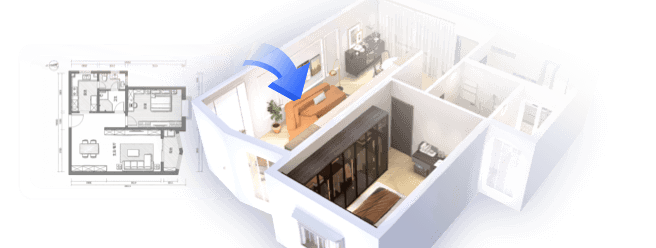
For a quick visual check before rearranging furniture, you can use Homestyler to experiment with a room layout and see whether a tree or console display will crowd a walkway. It’s much easier to rethink a plan on screen than to move a fully decorated tree twice.


Keep the glow, skip the clutter
Lighting does more for a room than another handful of ornaments. Use warm-white lights where you want a soft, familiar glow, and avoid mixing several different light colors in one small space. If you’re using a real tree, check the lights and cords before decorating, keep the tree watered, and switch lights off when you leave or go to bed.
For a calmer look, try this simple edit: decorate the tree, add one arrangement to the mantel or table, then choose one small detail for the entryway. Put the remaining decorations away and bring them out only if the room still feels bare. This keeps the focal points clear and makes cleanup easier later.
When the season ends, wrap fragile ornaments individually and store paper stars flat in a dry box. Coil lights loosely rather than winding them tightly around your hand, which can strain the wires. Labeling storage containers with plain removable tags can save a lot of rummaging next year.
Pick one idea and make it yours
You don’t need to recreate a whole holiday room in one afternoon. Start with the spot you see most often: the tree, the mantel, or the table where everyone gathers. Add one texture you love, repeat a color already in the room, and leave enough space for everyday life.
What began as an Autodesk innovation has evolved into a design platform used by more than 20+ million registered users (platform data, 2026) around the globe. Homestyler combines powerful rendering, an intuitive editor, and a vast furniture library to help you turn inspiration into photorealistic designs — whether you're redesigning a single room or planning an entire home.
My favorite combination is evergreen, warm light, and one unexpected handmade detail, usually paper or ribbon. It feels festive without demanding a new set of decorations every year. If you’re unsure how a color or arrangement will sit with your furniture, sketch out the room in Homestyler before you start moving things around. Then choose the idea that feels like your home, not a showroom.
Concevez maintenant gratuitement