

- Measure the route first. Walk the path you have in mind and note door swings, furniture corners, and the natural flow of foot traffic.
- Choose a scale. A narrow trail of petals can be enough. A broad path may suit an outdoor courtyard, but it needs more flowers and more cleanup.
- Prepare the flowers gently. Separate petals from the flower heads shortly before arranging them. Keep extra blossoms in a cool place until you’re ready.
- Make the altar the destination. Let the path lead clearly toward the ofrenda rather than ending abruptly in the middle of a room.
- Plan for the next day. Decide how you’ll collect petals and dispose of or compost them, depending on local guidance and your family’s practice.
A camino de cempasuchil is more than a bright trail across a floor. During Día de Muertos, marigolds help create a warm, welcoming route from the outside world toward a family’s ofrenda, or home altar. Their vivid color and distinctive scent make the path feel alive, while the care involved in arranging it turns preparation into part of the remembrance.
There is no single required pattern. Some families lay a simple line of petals from the doorway; others shape a curve through a courtyard or place blossoms near the altar. The meaning comes from the intention behind it: making a loving welcome for those being remembered. Here’s how to understand the tradition and create a respectful version that suits your home, your space, and your family’s customs.
What the camino de cempasúchil means
Cempasúchil, commonly known in English as Mexican marigold, is closely associated with Día de Muertos. Its saturated orange color is often understood as a sign of life and warmth, and its fragrance is part of the sensory language of the celebration. In many families’ traditions, petals are arranged as a path to guide the spirits of loved ones toward the ofrenda.
The camino de cempasuchil is not a decoration with one official blueprint. Its shape and placement vary by household and region. A path might begin at the entrance, cross a patio, and end at an altar; in a smaller home, it may be a modest trail of petals near the ofrenda. The gesture matters more than the scale.
That flexibility is useful if you’re observing the tradition in a contemporary home. You don’t need a grand courtyard or a large supply of flowers. A few carefully placed blossoms can make a meaningful focal point, especially when they’re part of a larger altar that reflects the people being remembered.
I like the idea of treating the path as an invitation rather than a display. Keep it connected to the ofrenda, leave room for people to move safely, and choose a layout that feels natural in your home. If your family has its own customs, follow those first; a general decorating guide can’t replace the knowledge passed down at home.

Plan a path that fits your home
Before buying flowers or scattering petals, decide where the path should begin and end. The most legible route is usually the simplest: from an entry point toward the ofrenda, without crossing a busy walkway or blocking a door. In a small apartment, a short line beside the altar can suggest the same welcome without turning the whole room into a flower bed.
Think about the surface, too. Petals can be slippery on smooth tile, and fresh flowers may leave moisture on wood or fabric. Keep the route away from stairs, rugs that shift, and places where children or older relatives need clear footing. If you’re using candles, place them securely on heat-safe holders and keep loose petals well away from flames.
A few practical choices make the setup easier:
For a rental or shared home, keep the arrangement on a washable floor and avoid adhesives or anything that could mark the surface. A simple, removable path is easier to clean and still feels intentional. If you’re unsure about the layout, sketch it on paper before arranging the flowers; it’s much easier to adjust a drawing than to pick petals out of a rug.


Choose flowers, shape, and scale
Fresh cempasúchil gives the path its familiar color and fragrance, but the right amount depends on the space. A small indoor altar may need only a few flower heads, while a long outdoor route can use more. Rather than buying a fixed quantity based on a photo, measure your intended path and decide whether you want a fine line, a fuller band, or occasional clusters.
| Setup | Works well for | What to consider |
|---|---|---|
| A light trail of loose petals | Apartments and compact altars | Uses fewer flowers and is easy to gather, but keep it away from slippery surfaces |
| Small clusters along a route | Courtyards and wider entryways | Creates clear visual markers without covering the entire floor |
| A continuous, fuller path | Large patios or family gatherings | Makes a strong focal point, but needs more flowers and careful traffic planning |
| Whole blossoms near the altar | Any size of home | Adds height and texture; place them in stable containers or on a protected surface |
The best shape is the one that reads clearly from the entrance. A straight line feels direct; a gentle curve can work around furniture or lead visitors through a courtyard. Avoid overly intricate patterns if people will walk through the area. The path should feel welcoming, not like an obstacle course.
Color can help the route stand out without adding extra decoration. Orange petals against stone, terracotta, or a plain floor are often enough. If your altar already has many colors and objects, a restrained path can give the eye a clear way to move toward it. I’d rather see a simple, well-placed trail than a complicated design that gets trampled before anyone has a chance to appreciate it.
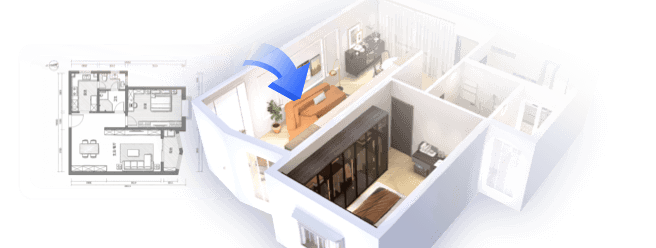
If you’re planning the room around an altar, you can use Homestyler to test furniture placement and check whether the route leaves enough open floor. It’s a practical way to think through proportions before moving heavy pieces or bringing flowers inside.


Keep the tradition thoughtful and safe
A camino de cempasuchil is part of a living cultural tradition, not a generic seasonal motif. If you’re participating, learn from family members or community sources, and make room for the meanings they share. The details can differ from one household to another; that variation is not a problem to solve.
Safety is part of hospitality. Keep petals out of the main walking line if the floor is slick, and don’t place them where they could be carried into a flame. Use stable candle holders, keep candles attended, and consider battery-operated lights if open flames aren’t suitable for your home. If pets or small children are present, place flowers and altar objects where they won’t be knocked over or eaten.
After the observance, gather the petals before they dry and scatter. Check the floor for moisture, especially around flower stems and containers. If the flowers are suitable for composting in your area, that can be a simple way to handle them; otherwise, follow local disposal guidance. Store reusable altar items carefully, and keep photographs or keepsakes protected from dust and spills.
The point isn’t to make the path look perfect. It’s to create a clear, caring welcome that fits the people and memories at the center of the celebration. A few flowers arranged with attention can say more than an elaborate design made only for a photograph.
Begin with a small welcome
If you’re new to the tradition, start with a short route from the doorway to the ofrenda. Use a modest amount of cempasúchil, keep the floor clear, and let the altar guide the arrangement. You can always add more petals once you see how the path looks in the room.
The camino de cempasuchil is meaningful because it connects a home’s entrance with the people gathered in remembrance. Its scale can change; its care is what makes it feel personal. Ask relatives what the flowers and layout mean in your family, and let their stories shape the details.
Built on technology originally developed at Autodesk, Homestyler empowers anyone to design beautiful, realistic spaces in minutes. Join over 20+ million registered users (platform data, 2026) who have already discovered a smarter way to plan, visualize, and bring their dream homes to life — all from the comfort of a browser.
For a final layout check, Homestyler can help you preview the altar’s position and leave a comfortable route through the room. Then set the flowers by hand, make space for everyone to gather, and let the welcome be the heart of the arrangement.
立即免费设计