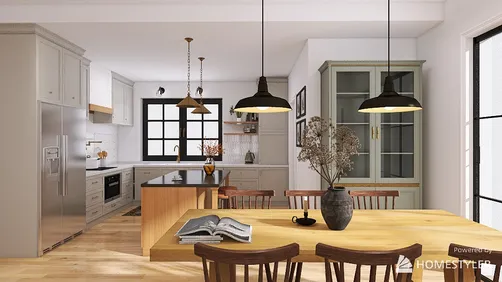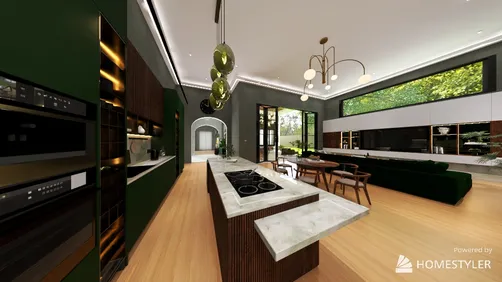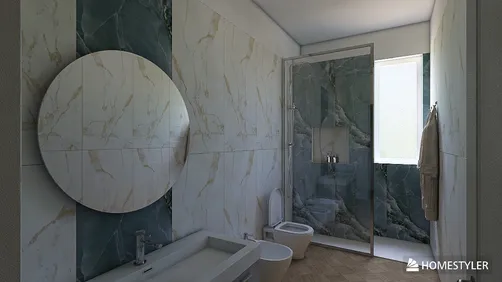
- Open-plan kitchen and dining area
A great Bloxburg build often looks polished because the proportions, colors, and little details work together—not because it has a mansion-sized footprint. That same principle makes Bloxburg house ideas surprisingly useful for real homes, apartments, and renovation plans. You can borrow the welcoming porch, the tidy open-plan kitchen, or the cozy bedroom palette without copying every oversized room or decorative feature.
The trick is to translate the look into real materials, sensible dimensions, and a budget that fits your life. Below are approachable styles and room ideas, plus practical ways to adapt them for a rental, a small lot, or a home that already has its own quirks. Think of the game as a mood board, not a construction blueprint.
Start with the shape, not the square footage
Many memorable builds have a clear silhouette: a simple gable roof, a balanced front elevation, or a porch that gives the entrance a focal point. In real life, those choices matter more than adding another wing. A compact house with a strong roofline and well-placed windows can feel more considered than a larger home with too many competing features.
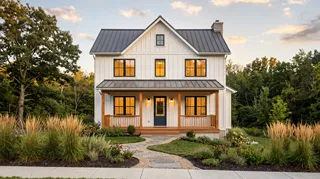
For a modern farmhouse look, try white or warm-gray siding, dark window frames, and one natural wood accent at the entry. You do not need to replace every window to get the effect. Painting a front door, adding a wood-toned bench, or updating porch lighting can establish the palette at a much lower cost. If you are planning a renovation, ask a contractor about the existing roof and drainage before changing the shape; a dramatic roofline in a game is easy to place, but real roof work affects structure and water management.
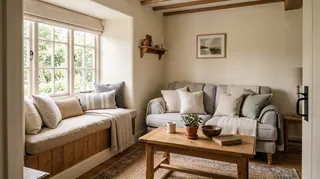
A cottage-inspired exterior is even easier to scale down. Use a muted siding color, a modest porch or covered stoop, and a few plants with different heights. For a townhouse, repeat a limited set of materials across the facade so the design feels intentional rather than busy.

Bloxburg house ideas for rooms you actually use
The most useful game-inspired interiors are not the ones with the most furniture. They are the ones that make everyday routines feel easy. Before buying anything, note what the room needs to do: a living room might also be a homework spot, while a small bedroom may need storage more than a second nightstand.
Keep the kitchen work zone compact and let the dining table define the transition to the living room. A round table can make a tight walkway easier to navigate; a narrow rectangular table works well against a wall. Use a pendant over the table and under-cabinet lighting for separate pools of light.
Materials and cost: Paint, a simple light fixture, and secondhand dining chairs can refresh the look for roughly $100–$500, depending on what you already own.
Difficulty and time: Easy; a weekend for paint and styling, longer if electrical work is involved.
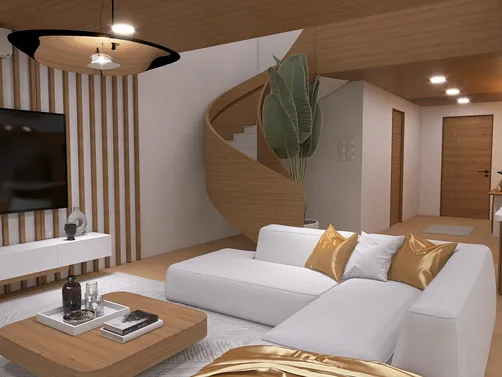
- A living room with one clear focal point
Game builds often use a fireplace or large window to anchor the seating. In a real room, arrange the sofa and chairs around one feature instead of pushing every piece against the walls. A rug helps mark the conversation area, even in an open-plan space. I prefer a rug large enough for at least the front legs of the sofa to sit on; tiny rugs tend to make a room feel chopped up.
Materials and cost: Rearranging is free. A rug, floor lamp, and cushion covers might run $150–$700.
Difficulty and time: Easy; an afternoon.
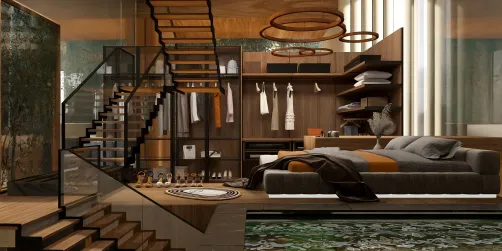
- A bedroom that feels calm, not staged
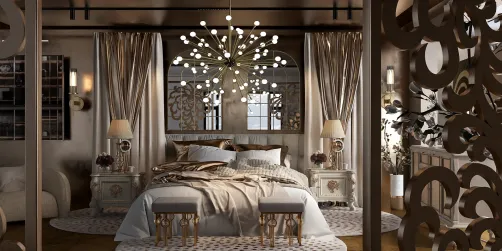
Choose one main color, one supporting neutral, and a small accent. A painted headboard wall or simple upholstered headboard gives the bed a finished look without filling the room with decor. Add a wall-mounted reading light if floor space is tight.
Materials and cost: Paint and basic bedding can start around $100; a new headboard or lighting can bring the total closer to $500.
Difficulty and time: Easy to moderate; one day for styling, plus paint drying time.
- A practical entryway
A narrow bench, hooks, and a tray for keys can recreate the tidy entrance of a carefully planned build. Measure the door swing first. A beautiful bench that blocks the door is not a design win.
Materials and cost: A small bench, hooks, and a washable mat often fit a $50–$250 refresh.
Difficulty and time: Easy; a few hours.
| Real-life feature | A practical version | Best for |
|---|---|---|
| Grand foyer | Slim bench, mirror, and wall hooks | Small homes and apartments |
| Oversized kitchen island | Narrow prep cart or peninsula | Kitchens with limited clearance |
| Floor-to-ceiling windows | Light curtains and a clear window area | Rooms that need more daylight |
| Decorative fireplace | Existing mantel styling or a safe electric insert | Living rooms without a working hearth |

Choose a style that fits your home
A game lets you switch from coastal cottage to modern townhouse in seconds. A real home benefits from a little more restraint. Pick one main style, then borrow one or two details from another. For example, a simple modern exterior can still have a cottage-style porch light or a soft sage front door.
| Style | Colors and materials | Real-life detail to borrow |
|---|---|---|
| Modern farmhouse | White, charcoal, natural wood | A simple porch and dark window accents |
| Coastal cottage | Soft blue, cream, pale wood | Light curtains and a welcoming covered entry |
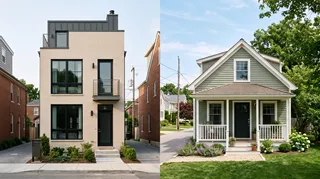
| Contemporary townhouse | Brick, black metal, warm neutrals | Repeated window proportions and clean trim |
| Minimalist home | Warm white, oak, muted stone | Fewer objects, with useful storage built in |
For a small home, prioritize circulation. Leave a comfortable path between the entry, kitchen, and seating area, and avoid choosing furniture by appearance alone. Measure the room and the furniture footprint before ordering. Painter’s tape on the floor is a low-tech way to test whether a sofa or dining table will crowd the walkway.
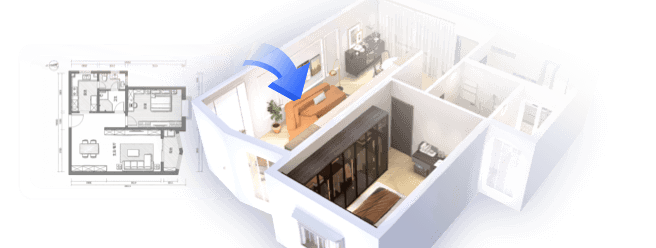
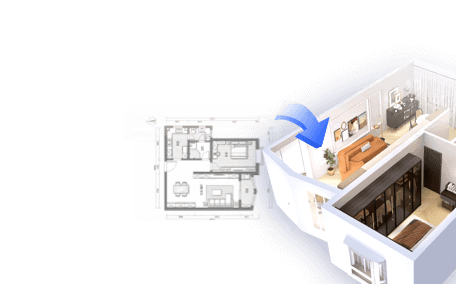
I also like to preview color and furniture scale before committing. Homestyler can help you test a room arrangement or compare a warm-neutral palette with a cooler one before you start shopping. It is especially handy when you are trying to decide whether a feature wall will balance the room or make it feel smaller.

Make the look work on a real budget
A convincing room does not require a full renovation. Start with the changes that affect the most visible surfaces: paint, lighting, window treatments, and furniture placement. Then decide whether a larger purchase solves a real problem or simply matches a screenshot.
A sensible order of operations:
- Measure first. Record wall lengths, window widths, ceiling height, and door swings. Keep the measurements on your phone while shopping.
- Set a spending limit by room. Reserve a little for delivery, hardware, and the small items that tend to appear at the end.
- Reuse what still works. A sturdy table can look new with a different light fixture and chairs; a sofa may only need a washable cover.
- Choose renter-friendly updates when needed. Freestanding lamps, removable hooks, and rugs can change the feel without permanent alterations. Check your lease before painting or drilling.
- Leave structural decisions to professionals. Moving walls, changing windows, or altering a roof needs proper assessment and permits where required.
For a quick refresh, I would spend first on lighting and layout, not decorative accessories. A well-placed lamp changes how a room feels every evening; a shelf of small objects usually does not. If you want to compare a few furniture arrangements before moving heavy pieces, Homestyler offers a way to visualize the room and check proportions.
Start with one room
The best Bloxburg house ideas are the ones that make sense after the game is closed: a welcoming entry, a kitchen that supports real cooking, or a bedroom that feels restful instead of crowded. Choose one room or one exterior detail, set a realistic budget, and make the change in stages. You do not need to recreate an entire virtual house to get the part you love.
Originally incubated at Autodesk, Homestyler has grown into one of the most widely adopted home design platforms in the world, now trusted by over 20+ million registered users (platform data, 2026). Whether you're a homeowner exploring ideas or a professional designer delivering client-ready renders, Homestyler brings industry-leading 3D technology to your fingertips — no experience required.
Save a few reference images, measure your space, and decide what matters most: more storage, better light, or a stronger sense of style. Then test the layout before buying. A small, thoughtful update often beats a big project that ignores how you actually live.
Concevez maintenant gratuitement