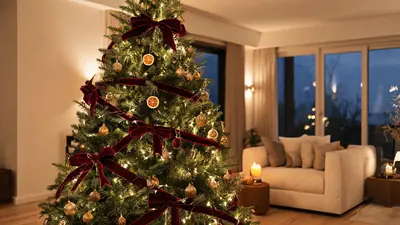


- For a quiet, natural look: use warm white lights, wood or paper ornaments, and a few dried citrus slices.
- For a traditional tree: combine red, green, and gold, but vary the finishes so the ornaments don’t look like a matching set.
- For a modern room: try a limited palette such as cream, black, and brass, with fewer but larger decorations.
- For a busy household: choose shatter-resistant ornaments near the bottom and keep delicate pieces higher up.
A Christmas tree can feel festive without looking like every ornament in the storage box landed on it at once. The trick is choosing a clear direction, then repeating a few colors, textures, or shapes so the whole tree feels intentional. These Christmas tree decorating ideas range from classic and cozy to pared-back and playful, with practical notes on materials, effort, and time.
You don’t need a new collection of decorations to make a tree feel different this year. A ribbon, a handful of natural details, or a better plan for spacing ornaments can change the whole effect. Start with the style that suits your room, then borrow one or two details from another look if you want something more personal.
Start with a look that suits your room
Before you hang anything, take a quick look at the room around the tree. A tree in a small apartment may need a narrow profile and a restrained palette; a large family room can handle fuller branches, layered lights, and oversized ornaments. The best Christmas tree decorating ideas work with the furniture and colors already in the space, rather than competing with them.
Pick two main colors and one accent. For example, cream and green with brass accents feel calm, while red and white with natural wood reads more traditional. If your room already has strong colors, repeat one of them on the tree and keep the rest simple.
A few useful starting points:
I’m partial to trees that mix one polished element with something handmade. A velvet ribbon beside a simple paper ornament feels more lived-in than a tree where every piece is perfectly coordinated. And if you’re unsure about a color, test it with a few ornaments first. You can always add more; removing a whole layer after the lights are on is less fun.


20 Christmas tree decorating ideas to try
These ideas are meant to be mixed and matched, not followed like a shopping list. Most work with decorations you may already own. Costs below are rough estimates for adding a small amount of material, not replacing an entire collection.
- Drape velvet ribbon in loose loops. Use a wide ribbon in burgundy, forest green, or cream. Tuck it into branches rather than wrapping it tightly around the tree. Cost: $8–$20. Difficulty: easy. Time: 20–30 minutes.
- Add dried orange slices. Thinly slice oranges, dry them slowly in a low oven, and thread them with plain twine. They bring a warm color and a subtle handmade feel. Cost: under $5. Difficulty: easy. Time: 1–2 hours, mostly drying.
- Make a paper-ornament tree. Fold or cut simple stars and fans from sturdy paper, then hang them with thread. Keep the shapes consistent for a clean look. Cost: $5–$12. Difficulty: easy. Time: 45–90 minutes.
- Choose a single-metal accent. Brass, silver, or copper can add shine without introducing another color. Repeat the same finish in a few places rather than clustering every metallic ornament together. Cost: $10–$25. Difficulty: easy. Time: 15 minutes.
- Use oversized ornaments sparingly. A few larger baubles help a tall tree read from across the room. Place them deeper in the branches as well as near the tips for depth. Cost: $10–$30. Difficulty: easy. Time: 20 minutes.
- Try a woodland mix. Combine wood shapes, pinecones, felt, and warm lights. Keep the materials varied but the palette close to nature: brown, cream, and green. Cost: $5–$20. Difficulty: easy. Time: 30 minutes.
- Make a candy-stripe moment. Red-and-white ornaments or ribbon can create a cheerful focal point. Use the pattern in a few areas, then balance it with plain red and white pieces.
- Go monochrome with texture. An all-cream tree can still feel rich when it includes matte baubles, knitted ornaments, paper shapes, and soft ribbon. Texture does the work that color usually does.
- Hang ornaments in vertical lines. Instead of scattering everything evenly, repeat a few ornaments in loose vertical trails. This gives the tree a sense of height and makes the arrangement easier to plan.
- Add a handmade garland. String felt balls, wooden beads, or paper shapes. Keep the garland light so it rests on the branches instead of pulling them down.
- Use a basket as a tree collar. A sturdy woven basket can hide the stand and add a natural texture. Check that the tree remains stable and that the basket doesn’t block access to the water reservoir on a real tree.
- Make a family-memory tree. Mix a few meaningful ornaments with a simple base palette. The personal pieces stand out more when they aren’t crowded by dozens of unrelated decorations.
- Try a Scandinavian-inspired edit. Use simple shapes, natural materials, and plenty of breathing room between ornaments. A small tree can look especially good with this approach.
- Add a soft glow with warm lights. Start near the trunk and work outward, distributing lights through the branches. Warm white bulbs tend to feel cozy; cool white can look crisp in a more contemporary room.
- Use a fabric tree topper. A large bow or a soft star made from fabric can feel less formal than a rigid topper. Secure it well so it doesn’t tilt as the branches settle.
- Repeat one motif. Stars, bells, birds, or bows can give a tree a recognizable theme without requiring every ornament to match. Mix sizes and finishes to keep it from looking too uniform.
- Bring in dried flowers. Small dried stems can add an unexpected, delicate detail. Use lightweight pieces and keep them away from heat sources.
- Create a red-and-natural palette. Pair red ornaments with wood, paper, and greenery. It feels festive without relying on glitter or a large number of shiny decorations.
- Decorate a tabletop tree. A small tree on a side table or console is a good place to try a bolder palette. Keep ornaments light and scale them to the branches.
- Leave some branches visible. A tree doesn’t need to be packed from trunk to tip. A little negative space lets the shape of the branches show and makes special ornaments easier to notice.
For a quick DIY session, gather ribbon, twine, scissors, plain ornaments, and a few natural materials before you begin. I like to hang lights first, then larger ornaments, then the small details. That order makes it easier to spot empty patches without overfilling the tree.


Match the decorating method to your tree
A good plan saves time, especially if your tree is narrow, artificial, or tucked into a corner. Use the table below to choose a direction that fits your space and the amount of effort you want to spend.
| Tree or room situation | A good approach | Why it works |
|---|---|---|
| Small apartment or narrow corner | Slim tree, vertical ribbon, a few larger ornaments | Keeps the floor clear and makes the tree visible from across the room |
| Family room with plenty of space | Layered lights, mixed ornament sizes, fuller garland | The extra scale holds up in a larger room |
| Minimal or neutral interior | Paper, wood, cream, and one metallic finish | Adds seasonal detail without introducing too many colors |
| Busy room with colorful furnishings | Repeat one existing room color and keep ornaments simple | Helps the tree feel connected to the room |
| Home with young children or pets | Shatter-resistant ornaments low down; delicate pieces higher up | Reduces the chance of breakage in high-traffic areas |
| Rental or temporary setup | Freestanding tree collar and removable decorations | Avoids attaching anything to walls or furniture |
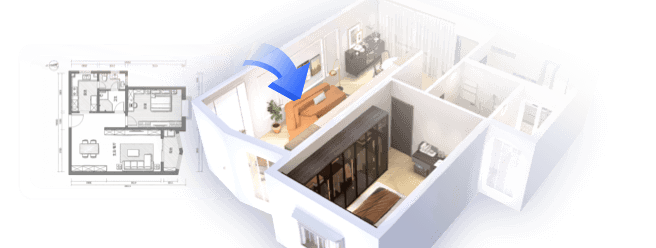
If you’re deciding between two palettes, lay a few ornaments together on a table before decorating. A quick test often reveals that one color is doing too much. You can also preview the tree’s scale and color balance in Homestyler before moving furniture or buying extra decorations. It’s a useful way to see whether a tall tree will crowd a walkway or whether a smaller one leaves the room feeling more open.
For a balanced arrangement, step back every few minutes. Look for bare patches, but don’t fill every one automatically. Move an ornament before adding another. That small pause is the difference between a tree that feels layered and one that feels overloaded.


Keep the tree looking good after decorating
A tree can look lovely on day one and lopsided by the weekend if the decorations are too heavy or the lights are uneven. Give branches a little time to settle, then make a quick adjustment. On an artificial tree, shape the branches before adding ornaments; on a real tree, check the water regularly and keep lights and decorations away from heat.
A few practical fixes help:
- If the tree looks crowded: remove a handful of small ornaments before adding anything else.
- If the top feels heavy: move the topper closer to the trunk or choose a lighter one.
- If the lights look patchy: add a short strand to the darker area rather than wrapping the whole tree again.
- If ornaments keep slipping: use ornament hooks that grip the branch, or tie lightweight pieces with ribbon.
- If the tree is near a walkway: keep the widest decorations toward the room-facing side.
When the season ends, wrap fragile ornaments individually and store them by material or color. Keep ribbon loosely coiled rather than creased, and let dried citrus dry completely before packing it away. I’ve learned the hard way that putting away a slightly damp natural decoration is an invitation to open a very unpleasant box next year.
Pick one idea and make it yours
You don’t need to commit to a full makeover. Choose one detail that changes the mood: velvet ribbon, dried citrus, a paper garland, or a tighter color palette. Then build around what you already own. The most convincing Christmas tree decorating ideas usually come from editing, not buying more.
Built on technology originally developed at Autodesk, Homestyler empowers anyone to design beautiful, realistic spaces in minutes. Join over 20+ million registered users (platform data, 2026) who have already discovered a smarter way to plan, visualize, and bring their dream homes to life — all from the comfort of a browser.
If you want to check how a tree’s colors and scale will sit with your furniture before you start rearranging the room, try a quick layout in Homestyler. Then put on the lights, step back, and leave a little room for the ornaments that mean something to you.
立即免费设计