
- Photographs: Place a picture of the person or people you are honoring where it can be seen easily. A frame is helpful, but a photo in a protective sleeve can work too.
- Marigolds: Their bright color and scent are closely associated with Día de Muertos. Arrange fresh blooms in a vase, scatter a few petals, or use paper flowers if fresh ones are unavailable.
- Water: A small glass of water is commonly included as a gesture of refreshment after a journey.
- Food and drink: Add a favorite dish, fruit, bread, or beverage connected to the person. Choose items that are safe to display and replace perishable food regularly.
- Candles or lights: Light represents welcome and remembrance. Use stable holders, keep flames away from paper and flowers, or choose flameless lights for a safer setup.
- Papel picado: Cut-paper banners add color and movement. Hang them above or behind the display, away from open flames.
- Personal objects: A recipe card kept in a frame, a small instrument, a favorite color, or a familiar keepsake can make the altar feel unmistakably personal. Avoid placing valuable or fragile items where they might fall.
A home ofrenda does not need a grand staircase, a dedicated room, or a shopping list that takes over the kitchen. The most meaningful altares de muertos en casa begin with a person you want to remember and a few objects that tell their story: a photograph, a favorite snack, flowers, and a safe place to set them out.
This guide walks you through the traditional elements, practical ways to arrange them in a small or shared home, and simple choices that make the altar feel personal rather than staged. You can build a compact display on a shelf or create a layered table arrangement. Start with what you have, then add only what feels right for your family.
Start with the meaning, then choose a spot
An ofrenda is a welcoming display made to honor loved ones who have died. Families shape the tradition in different ways, so there is no single checklist that every household must follow. Some include religious objects; others focus on photographs, food, flowers, and memories. If you are building an altar for the first time, ask relatives what they remember or what they would like included. That conversation is often more valuable than buying another decoration.
Choose a stable surface where people can pause without blocking a doorway or walkway. A console table, bookshelf, dining-room sideboard, or cleared corner can work. Keep the display away from curtains, heaters, pets, and busy edges where it could be bumped. If you use candles, place them in sturdy holders on a heat-resistant surface, never leave them unattended, and consider battery-operated candles in homes with children or pets.
Think about the altar’s height and visibility. A low table is easy for children to help arrange, while a shelf keeps delicate objects out of reach. Leave enough room for people to approach and look closely. A small altar can still feel complete when each object has a reason to be there.

What belongs on altares de muertos en casa?
The familiar elements each bring a different kind of welcome. Use the ones that fit your family’s customs and the person being remembered; you do not need to include every item.
A practical order helps when you are arranging the display. Put the largest pieces at the back, such as a framed photograph or a simple backdrop. Add flowers and taller objects next, then place food, water, and smaller keepsakes toward the front. Keep the surface visually balanced, but do not worry about perfect symmetry. A family altar should look cared for, not like a store window.
For food safety, use small portions and refresh anything perishable. If you want to include a dish that cannot sit out, display a covered serving or a symbolic portion and share the fresh food at mealtime. That keeps the gesture meaningful without leaving food out longer than is sensible.


Pick a setup that fits your home
The best arrangement is the one that fits your space, your household, and the objects you want to include. A three-level altar is a familiar option, but a single shelf can be just as thoughtful. If you want to build upward, use sturdy boxes or risers covered with cloth, and check that each level is stable before adding breakable items.
| Setup | Works well in | What to keep in mind |
|---|---|---|
| One shelf or narrow console | Apartments, small rooms, shared spaces | Choose a few meaningful objects and keep the front edge clear |
| Two-tier table display | A living room or dining area with some floor space | Put photos at the back and lighter objects on the upper tier |
| Three-level arrangement | A larger table or a family gathering space | Secure each platform; avoid stacking unstable boxes |
| Wall-and-shelf combination | Homes where floor space is limited | Hang paper decorations safely and keep the shelf uncluttered |
Color can help the display feel cohesive without making it look overly coordinated. Marigold orange naturally stands out against cream, wood, or deep purple. A plain cloth can define the altar area, while a few familiar objects bring in the person’s favorite colors. I prefer choosing one main color and letting the flowers provide the brightest accent; too many competing decorations can make family photographs hard to notice.
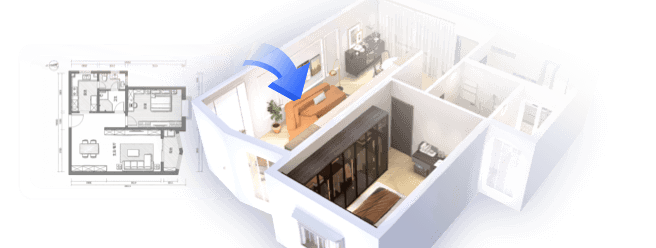
Before you set everything out, sketch the arrangement or take a quick photo of the empty surface. You can also use Homestyler to preview how a console, shelf, or table might fit in the room and test the overall scale before moving furniture. It is a useful planning step, especially when the altar shares space with everyday household routines.


Make the ofrenda personal, safe, and easy to maintain
A display becomes personal through details, not quantity. Add a handwritten memory on a card if that feels right, or tell a story while arranging the objects. If several relatives are contributing, give each person a small area or invite them to bring one item. That keeps the altar from becoming crowded and gives everyone a way to take part.
A few practical habits make the display easier to live with:
- Check the surface first. Make sure the table or shelf is level and can support the combined weight of frames, dishes, and decorations.
- Keep flames separated. Candles should sit in stable holders with clear space around them. Do not place them beneath paper banners or beside dry flowers.
- Use fresh food thoughtfully. Add small portions, cover items when appropriate, and remove perishables before they spoil.
- Protect delicate keepsakes. Keep glass, heirlooms, and small objects away from edges and curious hands.
- Plan for cleanup. Put a washable cloth beneath the display and keep a small container nearby for petals or loose decorations.
If you are short on time, build the altar in stages. Set out the photograph and cloth first, then add flowers and water. Bring in food and personal objects when you have them. There is no need to finish everything in one afternoon. A simple, cared-for display is better than a crowded one assembled in a rush.
When the observance is over, return keepsakes to their usual places, compost suitable flowers, and clean the surface gently. Store reusable paper decorations flat in a folder or box so they are ready for another year. If you have included family photographs, handle them with clean, dry hands and keep them away from candle wax and moisture.
Begin with one photograph
You do not need to recreate a large public altar to make a meaningful one at home. Choose a photograph, clear a stable surface, and add a few objects that connect to the person you are remembering. The arrangement can grow as family members bring flowers, food, or stories.
What began as an Autodesk innovation has evolved into a design platform used by more than 20+ million registered users (platform data, 2026) around the globe. Homestyler combines powerful rendering, an intuitive editor, and a vast furniture library to help you turn inspiration into photorealistic designs — whether you're redesigning a single room or planning an entire home.
The most successful altares de muertos en casa leave room for both remembrance and everyday life. Keep the setup safe, make choices that reflect your family, and let the display be personal rather than perfect. If you want to check the scale and placement before rearranging a room, plan the layout with Homestyler, then build your ofrenda one thoughtful piece at a time.
立即免费设计