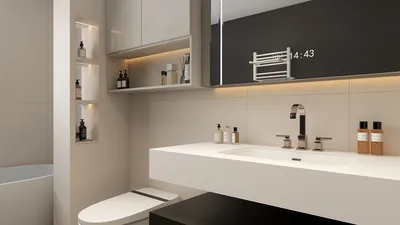


I have transformed numerous compact residences and urban apartments into welcoming social spaces, and the pool table that doubles as a dining table has emerged as one of my top-requested space-saving innovations. When executed properly, it combines elements of entertainment, regular meals, and aesthetic appeal within a single area. The key is to effectively balance human factors, lighting, sound, and material selection so it performs flawlessly in both settings, making the most of tools like Homestyler.
In the realm of small-space living, adaptable furniture leads to enhanced functionality and fewer disruptions in movement. According to Steelcase, flexible work areas can raise the perceived usefulness of space by as much as 17% when they accommodate various activities (Steelcase research). Translated to home settings, a convertible pool-dining table similarly enhances usability without requiring more floor space. Lighting is also crucial: IES recommends general dining brightness of around 300–500 lux, while focused lighting should exceed 500 lux for precise tasks—ideal measurement targets for dining and playing (IES standards).
From an ergonomic standpoint, WELL v2 promotes seating arrangements and postures that minimize strain on the musculoskeletal system. To ensure cueing comfort, it's vital to maintain a clearance of at least 5 feet (1524 mm) around the edges of the table, which allows a full stroke with standard cues. Dining comfort is similarly important; target a seat height of approximately 18 inches and a table height between 29 and 31 inches to ease shoulder elevation when eating. In game mode, a tournament-style table should be about 31 to 32 inches high; many hybrid designs fall around the 31-inch mark to effectively serve both purposes (WELL v2 guidelines).
Design Objective: Creating a Multi-Function Focal Point
My vision is to design an elegant centerpiece that functions as a dining table most days and converts into a professional-grade playing surface on weekends. Features such as a sleek apron, tapered or metal legs, and a removable top keep the overall profile light and airy. A matte finish helps to minimize glare when positioned under high-lux task lighting while lining up shots. During the planning phase, it’s essential to simulate circulation routes and chair arrangements to ensure effortless conversion; using a room layout tool like Homestyler can aid in visualizing clearances and seating configurations.
To avoid overwhelming the visual space, maintain a balanced table-to-room ratio. A good general rule is for the table length to be approximately 60–65% of the room’s longest dimension, allowing sufficient walkways and cue space. Anchor the setting with a linear pendant light during dining and employ dimmable tracks or adjustable spotlights for gaming mode.
Lighting Approach: Brightness Levels and Glare Management
Dining requires warm, diffused lighting (2700–3000K), whereas playing benefits from slightly cooler, crisper illumination (3000–3500K) with high color accuracy to distinguish ball colors. Aim for 300–500 lux at the dining area, then boost to around 750 lux evenly spread over the felt during gameplay, taking care to avoid creating hotspots. Utilize indirect uplighting or diffused shades to reduce glare and shadowing that could obstruct sightlines. A low-glare pendant, offering greater vertical illumination, ensures faces are visible while minimizing eye strain; dimmer switches facilitate a smooth transition.
Position light fixtures to prevent the pool cover edge from casting harsh shadows; the fixture should be centered over the playing surface rather than the dining tabletop edge. If a dining chandelier is installed, ensure it clears the removable cover and is positioned 30 to 36 inches above the table to maintain an even light spread in both settings.
Ergonomics and Human Considerations
Seating plays a pivotal role in the overall experience. For dining, opt for chairs that offer lumbar support and seat depths of 16 to 18 inches to minimize knee pressure. During game mode, provide slender stools or perches along the perimeter so players can rest without obstructing cue lines. Remember to maintain that 5-foot clearance around the table for comfortable cueing; if your room is limited in space, consider shorter cues (48 to 52 inches) stored discreetly to accommodate tighter areas.
The feel of the surface is crucial: a dining top with beveled edges reduces wrist strain; in playing mode, the felt rails should consistently allow for a good rebound without interfering with the dining apron’s design. Consider adding soft-close drawers to store chalk and triangle; include felt-lined compartments to protect both the balls and the tabletop from scratches.
Acoustic Comfort
The sounds of clacking balls and laughter contribute to the charm of the space but managing noise levels is key. Layer area rugs (either high-density pile or flatweave with padding), cushioned seating, and fabric wall panels to help control reverberation. In smaller rooms with hard surfaces, a rug placed under the table can significantly reduce reflections and footfall sounds. When designing an open concept, adding bookcases or slatted wood dividers can help diminish echoes while maintaining visual appeal.
Material Selection and Sustainability
Ensure that the conversion mechanism employs steel with an anti-racking design; the dining top can benefit from engineered wood featuring a durable veneer along with a matte polyurethane finish for stain resistance. For the playing surface, opt for worsted wool felt for speed and reliability; for a slower game, napped wool blends are gentler. Use solid hardwood edging (such as maple) equipped with durable cushions to ensure accurate rebounds.
Sustainability begins with durability. Choose low-VOC finishes and responsibly sourced wood. Replacing felt is straightforward; plan for maintenance to prolong the lifespan of your products. Whenever possible, select components that offer Environmental Product Declarations (EPDs) or third-party certifications to support sustainability claims.
Color Psychology and Visual Harmony
Color influences behavior significantly. Insights from Verywell Mind indicate that warm colors can create an inviting atmosphere and enhance social interaction, while cooler shades can promote calmness and concentration. For dining, a warm neutral palette (like taupe, soft clay, or muted olive) fosters conviviality. In gaming mode, a traditional green or deep blue felt provides a strong contrast with balls and aids in steady visual focus. It's important to keep surrounding surfaces low-chroma to allow the table to remain the visual centerpiece.
Layout and Traffic Flow Considerations
Start by establishing the needed clearances: 5 feet around the table for cueing, with at least 24 inches minimum for chairs so they can be pulled back without obstruction. Place storage solutions toward corners or along the longest wall to avoid disrupting shot lines. In particularly small rooms, utilize an interior layout planner to simulate various arrangements and cue lengths—such a layout simulation tool can be particularly effective for testing the placement of pendant lights and chair counts.
Conversion Mechanism: Covers, Leaves, and Stability
Reliable systems often feature a two- or three-piece dining top equipped with alignment dowels and under-table rests to prevent sliding. Proper weight distribution is vital to keep the slate or composite playing surface level; if your cover is substantial, consider installing concealed supports to avoid sagging. Magnetic latches or built-in clips help keep sections tight and prevent gaps. Evaluate the ease of lifting and positioning—if it extends beyond one minute and feels awkward, refine the process or add a cradle for the cover storage.
Storage Solutions
Incorporate a shallow side drawer for chalk, a vertical rack for cues, and a concealed cabinet for balls and the triangle rack. For a more streamlined appearance, consider a slim console behind a banquette that conceals equipment while keeping accessibility under ten seconds—time is essential when transitioning from dinner to a game of pool.
Practical Styling Suggestions
Keep the centerpiece low and easily removable, such as a shallow bowl or trio of candles, for quick transitions. Opt for placemats instead of table runners to prevent snagging the edges of the cover. In the evening during play, consider adding a dimmable wall sconce set at 3000K to maintain ambient warmth while your overhead fixtures provide higher lux levels on the felt.
Maintenance and Upkeep
For dining purposes, clean the top with a pH-neutral cleaner and a soft cloth. In gaming mode, brush the felt in one direction weekly and vacuum using a low-suction upholstery attachment to clear away chalk dust. Perform a level check biannually with a precision bubble or digital level, recalibrating whenever doors or floors shift due to seasonal humidity changes.
Budgeting and Specification Considerations
Hybrid tables vary significantly in price. Prioritize slate thickness or high-quality composite material for flatness, strong support frames, and dependable cover systems. Invest in high Color Rendering Index (CRI) fixtures (90+) to ensure accurate color rendering for food and felt; dimmer drivers guarantee smooth transitions. Choose chairs made from performance fabrics that withstand stains and daily use.
Reliable Sources
For further standards and guidance on lighting and ergonomics, refer to IES lighting recommendations and WELL v2 performance criteria. Both provide practical benchmarks for cultivating healthy and comfortable environments.
Frequently Asked Questions
Aim for a height around 31 inches. This falls within the 29 to 31 inches comfortable dining range and is close to the standard pool height (31 to 32 inches), ensuring proper ergonomics for both functions.
Keep about 5 feet (1524 mm) clear around all sides for standard cues. In more confined spaces, use shorter cues (48 to 52 inches) to maintain playability without compromising space.
Set dining brightness at 300 to 500 lux, then boost to about 750 lux over the felt during gameplay. Utilize dimmers and glare-reducing fixtures to enable smooth transitions.
Green and deep blue shades offer strong contrast and visual focus, aiding in ball tracking while keeping surrounding décor low-chroma to minimize visual distractions.
An adequately supported multi-piece top with alignment dowels distributes weight evenly and reduces abrasion. Incorporate protective rests and securely store the top when not in use.
Incorporate soft materials like high-density pile rugs with padding, upholstered seating, and fabric wall panels. To mitigate echoes in open layouts, implement bookshelves or slatted partitions.
Yes—opt for concealed drawers for chalk storage, a vertical cue rack in a corner, and a slim console or storage integrated into a banquette for the balls and triangle.
Select high-quality materials such as slate or robust composite cores, solid hardwood rails (maple), worsted wool felt, and steel brackets designed to resist racking. Choose low-VOC finishes for improved indoor air quality.
Definitely. Lighting set at 2700 to 3000K creates a welcoming atmosphere for meals, while 3000 to 3500K enhances visual clarity for play. Dimming technology allows for natural transitions.
Utilize a room design visualization tool to assess table size, cue clearances, and pendant light placements; adjust circulation paths and storage before finalizing your plan.
Check the level biannually, particularly in areas affected by seasonal humidity changes. Minor adjustments help maintain consistent gameplay while safeguarding the dining function.
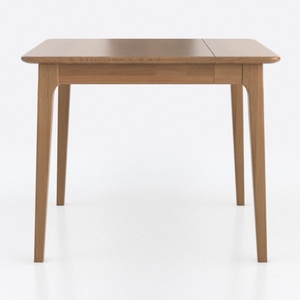
Hymus 100% Solid Oak Wood Desk - Small Writing Des


Cambridge Casual Montclair Teak Wood 2 Pieces

Modern Minimalist Solid Wood Round Dining Table With Black Metal Base 3D Model
Homestyler is your go-to online platform for home design. With an easy-to-use design tool, stunning 3D renderings, and a wealth of inspiring design projects and DIY video tutorials, transforming your space has never been easier or more enjoyable. Start creating your dream home today!
今すぐ无料でデザイン
































