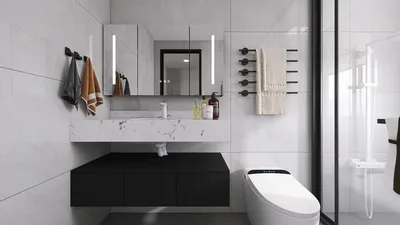


Transforming a living room with white tile flooring introduces a sense of clarity, luminosity, and a sleek modern aesthetic, but this effect relies on achieving the right balance of light and warmth. My approach focuses on establishing specific lighting goals while combining the neutrality of white with texture and depth. The WELL v2 guidelines suggest maintaining an illuminance level of 150–300 lux in living areas to ensure visual comfort without causing glare, whereas task zones such as reading nooks benefit from brightness levels between 300 and 500 lux. Additionally, the IES recommends managing luminance ratios to mitigate veiling reflections on glossy surfaces. In practice, I keep ambient lighting around 200–250 lux and incorporate layered task lighting to avoid excessive brightness on reflective tiles, which is particularly beneficial when utilizing a tool like Homestyler for layout planning.
The psychology of color plays a significant role when it comes to high-reflectance floors. According to Verywell Mind, cooler white tones can often appear sterile, while warmer white shades feel more inviting—especially under lighting in the 2700–3000K range. In my design projects, I adjust the perceived warmth of the floor by employing 2700–3000K bulbs for evening ambiance and 3000–3500K fixtures during the day. This two-tier strategy allows the white tile to remain fresh and vibrant without slipping into a cold or clinical appearance. For a healthier environment, managing glare and creating a strong visual hierarchy are essential; adherence to WELL guidelines on glare control involves considering shading options, selecting matte finishes, and layering lighting so comfort is maintained even during prolonged use.
Clarifying White: Tone, Finish, and Size of Tiles
White tiles can exhibit varied behaviors. The three most influential factors are the undertone, finish, and size of the tiles. A warm-white (suggesting cream or beige) can counteract the bluish tinge of daylight in north-facing spaces, while cool whites (with a hint of gray) can moderate overly bright southern illumination. When selecting finishes, polished porcelain enhances brightness but also amplifies smudges and glare; however, honed or satin finishes are more forgiving regarding reflectivity. For spacing, larger formats such as 24"×24" or 24"×48" help reduce grout lines and visually enlarge smaller living rooms. I recommend choosing a grout color that deviates by 1–2 tones from the tile—aiming for neither high contrast nor identical shades—so the flooring appears seamless without being overly uniform.
Emphasis on Light: The Art of Layered Lighting on White Floors
It's essential to layer ambient, task, and accent lighting to prevent the floor from becoming a glaringly reflective surface. For ambient lighting, employed concealed cove or dimmable ceiling fixtures achieving approximately 200–250 lux. For task lighting, deploy floor lamps or swing-arm sconces near seating areas, reaching 300–500 lux for optimal reading conditions. Accent lighting through wall washers for artwork should provide 100–150 lux above ambient levels to maintain a focal balance. Ensure a consistent correlated color temperature in each zone; drastically varying CCTs can create inconsistent coloring on white tiles and alter the perception of material tones. Positioning downlights along the perimeter and opting for wall grazing as opposed to direct aiming at the floor can help control glare. Tools like Homestyler offer invaluable assistance when trying out furniture arrangements or lighting placements to visualize light distribution and reflection patterns.
Infusing Warmth Through Material Choices: Counteracting the Coolness of White
Since white tiles reflect a generous amount of light, they can make a room feel cooler visually. To counter this, it's beneficial to add tactile warmth through your choice of materials. Opting for wool or wool-blend rugs enhances comfort and absorption of sound, with a typical size of 9'×12' grounding central seating areas in medium-sized rooms. Selecting wood tones that fall within a mid-value range (neither too light nor too dark) preserves contrast while avoiding an overly washed-out palette. Textured fabrics, bouclé, and leather materials can introduce depth, while brushed bronze or aged brass hardware brings a gentle warmth. Incorporating greenery with deep, matte foliage also breaks the visual continuity of reflection, toning down brightness.
Acoustic Comfort in Hard, Reflective Spaces
Hard tile surfaces can intensify sound reverberation, especially in open-plan living areas. To ensure conversations remain clear, aim for soft-furnishing coverage of at least 25-35% of the floor area using rugs and upholstered furniture. Adding heavy drapes or acoustic sheer curtains on expansive windows, along with installing bookcases or slatted wood panels can aid sound diffusion. A low-profile, fabric-wrapped ottoman can effectively reduce early sound reflections within seating zones without obstructing pathways.
Movement and Layout Ergonomics
Design circulation paths with widths of 36–42 inches for optimal flow between elements such as sofas, coffee tables, and media walls. Maintain a distance of 16–18 inches between the sofa edge and coffee table for ease of reaching items. Ensure that the seat and table heights remain within a comfortable 2–3 inch range to promote ergonomic usability. Establish a visual rhythm by anchoring the main seating arrangement on a rug that leaves an 8–12 inch expanse of floor visible around its edge, efficiently celebrating the tile while preventing a sense of emptiness. For experimenting with configurations or testing rug dimensions in relation to entryways, an interior layout planner like Homestyler can help visualize sightlines and foot traffic effectively.
Color Coordination: From Neutrals to Accents
White floors act as a versatile neutral backdrop. Pair them with warm neutral wall colors such as soft greige, clay, or sandy taupe to mitigate reflectivity. Ensure that trims are slightly lighter than the wall tone to prevent stark contrasts. For accenting, textiles in seasonal colors such as saffron, olive, or terracotta can be changed out effortlessly without impacting the hard finishes. When using black, do so sparingly: a sleek black lamp or framed piece of artwork can add dimension without overwhelming the space with high contrast.
Tile Patterns: Subtle Geometry that Directs Attention
Utilizing large-format tiles set in a straight lay can create a serene atmosphere, while a gentle offset (like a 1/3 stagger) introduces a sense of movement without overcrowding the visual space. In lengthy rooms, orienting rectangular planks or 12"×24" tiles along the shorter dimension helps to visually expand the area. Avoid bold high-contrast inlays; keep any border lines subdued to prevent the flooring from taking over the room's design.
Lighting Standards and Glare Mitigation
Select fixtures that possess effective glare shielding (with UGR < 19 in relevant task areas) and dim-to-warm capabilities for enhanced evening comfort. Ensure that the brightness of the floor remains lower than that of focal walls by directing accent lighting upwards. With glossy tiles, utilizing lower beam angles (15–30°) and adjusting aiming can lessen concentrated hotspots. Selecting lights with a CRI of 90 and above keeps whites pure and helps prevent shifts in color when paired with natural wood and textiles.
Maintenance, Grout Choices, and Everyday Durability
Seal cement-based grout or opt for epoxy grout in high-traffic households to prevent staining. Considering a light-warm gray grout effectively camouflages daily dirt better than stark white. For homes with kids and pets, using honed porcelain is advisable as it tends to be less slippery and conceals hair and smudges more effectively than polished finishes. Implement a washable rug pad and select low-pile, solution-dyed rugs for active areas. Placing a discreet mat at the entrance helps capture debris that could scratch glossy surfaces.
Sustainability and Material Health Considerations
Porcelain tile is not only durable but often incorporates recycled materials; always review EPDs and HPDs provided by manufacturers. Strive for a balance between hard surfaces and renewable textiles like wool or Tencel blends, as well as FSC-certified wood for cabinetry. Implementing daylight harvesting through dimmable lighting improves energy efficiency while creating a warm atmosphere at lower color temperatures in the evening.
Final Touches: Baseboards, Transitions, and Thresholds
Employ a 4–6 inch baseboard with a satin finish to frame white floors elegantly, avoiding reflective glare. Minimize threshold transitions with options like schluter or flush wood to create a seamless visual flow. When transitioning from tile to wood in adjacent areas, opt for a tone that complements the undertone of the tile; warm oak synergizes beautifully with creamy whites while cooler ash tones align well with neutral grays.
Common Mistakes to Watch Out For
- Overly polished tiles that amplify glare and footprints
- Pure white grout that stains quickly
- Inconsistent color temperatures across lighting fixtures
- Rugs that are too small, leaving the room feeling empty
- Insufficient acoustic treatment, leading to echoes
Example Room Configuration (Medium Living Room)
- Floor: 24"×48" honed porcelain, warm white featuring subtle veining
- Grout: warm light gray, sealed for longevity
- Lighting: dimmable ambient around 200–250 lux, task lamps reaching 300–500 lux, with accent wall washers
- Rug: 9'×12' wool-blend in warm neutral tones
- Furniture: medium-tone oak coffee table, textured linen sofa, and a leather lounge chair
- Accents: cushions in olive and terracotta hues, complemented by an aged brass floor lamp
- Window Treatments: layered sheer curtains with cotton-linen drapes for optimal acoustic and light control
References
For comprehensive insights on lighting best practices and wellness standards, consult resources from the IES regarding recommended practices and WELL v2 features associated with lighting and visual comfort: ies.org/standards and v2.wellcertified.com.
FAQ
Q1. What’s the best way to make white tiles feel warmer?
A1. Combine warm color temperatures for lighting (2700–3000K in the evening), include mid-tone wood elements, and use textured textiles. A substantial area rug can provide thermal and acoustic comfort while layering accent lighting diminishes the clinical vibe.
Q2. Which tile finishes work best in living spaces?
A2. Honed or satin finishes provide brightness without resulting in glare, are easier to maintain than polished ones, and they conceal footprints more effectively.
Q3. How big should a living room rug be if I have white tiles?
A3. In mid-sized rooms, a 9'×12' rug typically accommodates the front legs of seating, allowing for an 8–12 inch border of tile visibility for visual balance.
Q4. What grout color hides dirt well without appearing gray?
A4. Opt for a warm light gray or greige tone that’s slightly darker than the tile. This will effectively hide daily dust while maintaining a cohesive look.
Q5. How can I manage glare from shiny white tiles?
A5. By re-aiming downlights to wash walls rather than the floor, using lower beam angles, incorporating dimming options, and adding diffusing floor lamps. In areas with intense glare, consider switching to a honed finish.
Q6. Do white tile floors tend to be slippery?
A6. Polished tiles can indeed be slick; select slip-resistant honed porcelain and add quality pads beneath rugs in high-traffic paths, particularly near entries.
Q7. Which wall colors harmonize best with white tile?
A7. Soft warm neutrals—such as greige, clay, and sand—balance reflectivity. Keep trims slightly lighter than the wall colors and use limited black accents to ground the overall palette.
Q8. How can I ensure good acoustics with hard flooring?
A8. Incorporate a large rug, upholstered furnishings, layered window treatments, and bookshelves or slatted wood surfaces to facilitate diffusion. Aim for a minimum of 25–35% soft coverage around the main seating area.
Q9. Is underfloor heating compatible with porcelain tiles?
A9. Yes—porcelain tiles conduct heat effectively. Always verify with your heating system for compatibility and ensure proper crack isolation and expansion joints are in place.
Q10. What tile sizes help small living rooms appear larger?
A10. Large-format tiles (24"×24" or 12"×24") with narrow grout lines will visually enlarge the space and reduce a busy pattern effect.
Q11. How can I make a white floor more family-friendly?
A11. Choose honed porcelain tiles, epoxy grout, low-pile washable rugs, and a discreet mat at the entryway to trap dirt. Opt for slip-resistant finishes along high-traffic corridors.
Q12. What lighting levels should be aimed for in my living space?
A12. Keep ambient lighting around 200–250 lux for overall comfort, with 300–500 lux designated for reading areas. Consistency in CCT throughout various zones is vital to prevent patchy lighting effects on the floor.
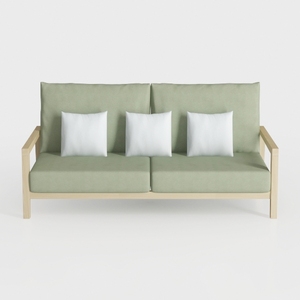

Minimalist Solid Wood Light Green Fabric Loveseat Sofa 3D Model

Black Stainless Steel Espresso Coffee Machine 3D Model

Minimalist Fabric U Shaped Sectional Sofa 3D Model
Homestyler is your go-to platform for effortless home design! With its user-friendly online design tool, stunning 3D renderings, and a wealth of inspiring design projects and DIY video tutorials, you can easily unleash your creativity and transform your living spaces into beautiful, functional areas.
Design Now for FREE
































