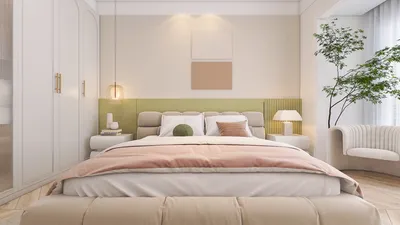


In my living room, I maintain a collection of rotating quotes that set the intention of the space, creating an atmosphere where guests feel encouraged to smile, slow down, and take a deep breath. Beyond being just a seating area and a TV wall, a living room serves as the emotional nucleus of the home. When the ideal words are flawlessly paired with thoughtful design elements, the room achieves a state of visual harmony and emotional fulfillment, much like what the innovative tool Homestyler can help you conceptualize.
The influence of words on mood and behavior is profound. Studies on color psychology indicate that softer shades, such as blues and greens, can diminish stress responses and promote relaxation, while warmer tones contribute energy and sociability. Comfort plays a vital role as well; furniture that supports neutral posture can alleviate fatigue and enhance presence. Research from Herman Miller shows that improved ergonomic support contributes to better comfort, reducing the risk of musculoskeletal issues over time. I view quotes as the mental counterpart to these physical and visual cues—subtle nudges that adjust the room's emotional ambiance.
Effective lighting ties everything together. According to the WELL v2 guidelines, circadian-friendly lighting is encouraged: cooler light (about 4000-5000K) during the day to promote alertness, and warmer light (2700-3000K) after dark for relaxation. Pairing a soothing evening quote with a warm floor lamp that provides layered, low-glare ambient light can help establish a more tranquil pace. Standards from the IES also stress the importance of controlling glare and achieving balanced illumination, and I strive to create comfortable lighting ratios to ensure that framed quotes don’t reflect harshly.
Curating Quotes by Mood
I categorize quotes into three emotional streams: calm, connection, and curiosity. Each stream serves a distinct purpose in the living room's design intention.
• "Make it simple, but significant."
• "Quiet is a luxury—practice it."
• "Leave room for the pause."
• "Home is where your breath remembers its rhythm."
These sentiments align beautifully with soft textures, muted finishes, and gentle color palettes. Incorporate a low-gloss rug, linen drapes, and adjustable lamps that produce warm light in the evening. Prioritize clean sightlines and allow for negative space; the quote should whisper subtly rather than shout.
• "Gather often, linger longer."
• "Conversation is the best décor."
• "Make room for every voice."
• "Hospitality is a circle, not a stage."
These resonate well with sociable seating arrangements—such as configurations that encourage face-to-face interaction and consistent seat heights, including a coffee table that is easy to reach for everyone. Utilizing a room layout planning tool can help verify spacing: ideally, a distance of 18-24 inches between the seating edge and the table is necessary for comfort, with main pathways spanning 36-42 inches for ease of movement.
• "Let the room ask better questions."
• "Collect stories, not things."
• "Stay interested in the quiet corners."
• "Design is dialogue."
These belong near bookshelves, art displays, or travel trinkets. Use a variety of materials—wood, stone, woven fibers—to create tactile intrigue. Highlighting these quotes with 3000K accent lights can draw attention while avoiding glare.
Placement: Transforming Quotes into Design Features
I prefer quotes as integrated design features rather than floating decals. A small framed piece (8x10 or 11x14) on a console table provides an intimate scale. When arranging gallery walls, intersperse quotes among photographs to modulate visual rhythm—weighty images followed by light text, with breathing room in between. On a long wall behind a sofa, a single large quote in understated typography can center the composition without being overpowering.
Height is crucial: center frames at 57-60 inches from the floor, aligning with the typical line of sight, and ensure consistent top lines across a display group. If your ceilings vary in height or follow a slope, align them with the furniture layout (top of the sofa back plus 8-10 inches) to maintain a cohesive look.
Typography, Materials, and Color
Typography should reflect the room's character. Serif fonts evoke a literary and serene feel; geometric sans-serifs convey a modern and sharp aesthetic; handwritten scripts offer warmth but may become visually cluttered if overdone. Opt for matte papers and low-glare glazing to prevent hot spots under lamps—IES guidelines on glare remind us to balance luminosity ratios around focal points.
For colors, I coordinate the quotes with the room's undertone instead of allowing them to clash. For spaces with warm neutrals, select deep charcoal or sepia ink; in cooler environments, navy or forest greens are preferable to stark black. According to Verywell Mind’s color psychology, intense reds can amplify arousal—ideal for energizing spaces, yet not suited for areas intended for relaxation. Use red sparingly as accents rather than as the primary text color in a tranquil living room.
Layering Light Around Quotes
Consider three lighting layers: ambient (ceilings or diffused lamps), task (reading lights near seating), and accent (picture lights or spots). A warm accent light around 2700-3000K keeps quotes readable and inviting at night, while ambient lighting in the 3000-3500K range provides a soft foundation without flattening the room's dimensions. Dimmer switches are also important to adjust the atmosphere throughout the day; following the WELL v2 guidelines regarding circadian lighting encourages gradual transitions rather than abrupt shifts.
Balancing Acoustics and Conversation
The message of a living room is only as good as its soundscape. Soft materials such as rugs, draperies, and upholstered furniture can minimize reverberation, making conversations flow more smoothly. If quotes are framed in glass, position the glazing small or spaced amidst sound-absorbing surfaces to limit flutter echo against hard features. Ensure speakers are placed away from primary conversation areas to avoid masking dialogue during social interactions.
Human Factors: Sightlines, Reach, and Comfort
I prioritize effortless visual movement. The sightlines from main seating to focal quotes should be unobstructed yet not forced; a gentle off-center positioning feels more organic. Maintain reach distances that alleviate stress: arrange books, remotes, and smaller items within 18-24 inches of where people are seated. Research from Herman Miller underscores that ergonomic support and maintaining a neutral posture enhance comfort; these same principles also apply to living spaces—consider lumbar-supportive couches, appropriate arm heights, and sufficient foot clearance to encourage relaxation.
Sustainability and Meaning
Choosing sustainable materials can enrich the essence of the space. FSC-certified wooden frames, recycled papers, and low-VOC finishes help maintain indoor air quality. If you change quotes seasonally, store the prints flat to minimize waste and reuse frames. I find that a well-crafted, minimal frame enhances the significance of the words while allowing the room to breathe.
Quotes for Specific Layouts
In open-plan living rooms, a quote that links zones is incredibly effective—something about gathering near the kitchen or shared experiences. In more narrow living spaces, a vertical piece can help counter the tunnel effect. For smaller environments, keep quotes intimate and compact; scale is often kindness. When planning layouts or testing focal points, a layout simulation tool like Homestyler can assist in visualizing balance before making permanent changes.
Sample Quote Sets by Scenario
Family Movie Night: "The best stories are shared." / "Comfort is a cast of characters."
Quiet Sunday: "Rest is productive." / "Let silence finish the sentence."
Hosting Friends: "Make room for laughter." / "Everyone belongs at the table."
Creative Corner: "Stay curious." / "Practice gets interesting."
Maintenance: Keeping the Message Fresh
I refresh quotes every three months. Introducing a new piece each season resets the room’s intention without the need for a complete redecoration. Utilize archival sleeves for prints, keep frames clean, and evaluate lighting annually to ensure appropriate levels and glare control, especially after changing bulbs or shades.
FAQ
Q1: How many quotes should I display without making the room feel cluttered?
A: Typically, two to four framed quotes suffice for a standard living room. Keep scale modest and distribute them to create visual rhythm rather than cluster them densely.
Q2: What color temperature is ideal for making quotes readable at night?
A: Warm accent lighting at around 2700-3000K keeps text legible and cozy. Combine it with dimmable ambient lighting for a softer overall glow and to reduce glare.
Q3: Where should I position a large quote in a lengthy living room?
A: Position it slightly off-center above the main sofa or along the longest wall, balanced with another element (like a plant or sconce). Aim to maintain 57-60 inches as the center height for consistency.
Q4: How do I select fonts that match my interior style?
A: Choose typography that aligns with your design theme: serif for classic calmness, geometric sans for modern minimalism, and restrained scripts for warmth. Limit high-contrast combinations to one primary font to eliminate visual clutter.
Q5: Can quotes facilitate conversation?
A: Absolutely. Words like "Gather often, linger longer" can subtly promote social interactions. Combine them with inward-facing seating arrangements and equitable reach distances to foster dialogue.
Q6: What is the optimal spacing between coffee tables and seating?
A: Aim for an 18-24 inch distance from the edge of the seat to the table for easy access and 36-42 inches for main traffic areas. Utilize a design visualization tool to validate clearances before final positioning.
Q7: How can I reduce glare on framed quotes?
A: Opt for matte paper, low-reflective glazing, and indirect lamp placement. Avoid positioning frames directly across from bright windows; adjusting angles can minimize undesirable reflections.
Q8: Do certain colors in quotes impact mood?
A: Indeed. Calmer blues and greens promote relaxation, while warmer colors evoke energy. Use vibrant reds sparingly in rest-oriented spaces; focusing on neutrals or deep, muted tones for typography is wise.
Q9: Are sustainable framing choices viable?
A: Definitely. FSC-certified wood, recycled paper, and low-VOC finishes are commonly accessible and durable. Rotate prints seasonally to rejuvenate intent without acquiring new frames.
Q10: How often should I change the quotes?
A: A seasonal rotation of quotes helps the room feel intentional. Annually reassessing lighting and placement ensures quotes remain readable and balanced as the furniture and lamps change.

Minimalist Solid Wood Linen Fabric Extra Long Sofa 3D Model
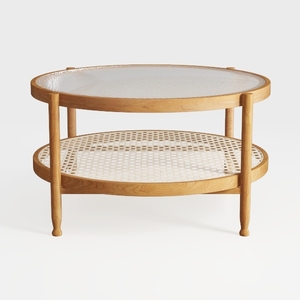
Best Choice Products 2-Tier 35.5in Round Industrial Coffee Table

Homestyler is your go-to home design platform, perfect for bringing your creative visions to life! With an easy-to-use online design tool, stunning 3D renderings, and a wealth of DIY video tutorials, you’ll find inspiration and guidance for every project, regardless of your experience level!
지금 무료로 디자인하세요
































