


The evolution of domestic living is shifting towards more intuitive interfaces, yet persistent challenges—like disorganized entryways, erratic movement patterns, and uneven lighting—continue to hinder our experience. Surveys by AIA and NAHB highlight that flexible layouts and ample daylight remain essential as families adjust their lifestyles. Analyzing a 2 BHK vastu west-facing house plan felt akin to interpreting a code for behavior—designing tranquil entry points, allowing directional light, and positioning rooms with clear purpose. The future is nearing, revealing a pathway to enhancements: reducing friction and increasing clarity.
spatial reasoning toolkit
Entry Spine + Northeast Living
Design Strategy: With a west-facing plot, I position the main entrance at the northwest section and create a streamlined path leading to a northeast living area, aligning with Vastu principles while mitigating afternoon heat. This serves as a proactive approach to thermal ethics.
Flow: The sequence follows: Porch → Foyer buffer → Living (NE) → Dining hub → Bedrooms, with the kitchen located southeast featuring a utility area. This design ensures there’s no interference between private and communal spaces.
Sightlines: From the entry, there is a diagonal view into the living area rather than the bedrooms, while a framed opening draws in morning sunlight from the northeast, resembling a prioritized user interface layer.
Storage: Dedicated storage solutions include a foyer shoe compartment, a living area wall niche, a dining sideboard, and tall corridor units; these serve as organized storage rather than visual clutter.
Furniture Layout: Living area accommodates an 84–90" sofa spread, with a 42" dining clearance, and a 24" deep media wall; these limitations ensure seamless interactions for gatherings and remote work—enhancing the overall experience.
Conclusion: Looking five years ahead, this design framework encourages clear rituals: peaceful entrances, bright mornings, and moderated western glare—creating an interface that ages gracefully.
save pin
Southeast Kitchen + Southwest Master
Design Strategy: Fire elements in the southeast, stability in the southwest—Vastu principles integrate well with contemporary zoning. I protect the kitchen from western heat by incorporating a shaded courtyard or service path.
Flow: The dining area operates as a hub, providing quick access to the kitchen, balcony, and children’s room, while the master remains a secured endpoint off the main corridor.
Sightlines: The kitchen entrance is offset from the main entry; dining area views are complemented by greenery, and a deliberately shallow view from the master ensures privacy takes precedence.
Storage: The L-shaped kitchen features a 30" deep counter at the window bay and pull-out pantry systems; the master bedroom includes a 9–10' wardrobe that functions as a quick-access area for daily outfits.
Furniture Arrangement: The master accommodates a queen or king bed (76–80") with a 30" clearance; the children's room has a 60" study wall, and the dining setup consists of a 36x72" table with 44" egress pathways.
Conclusion: The fusion of thermal logic and Vastu alignment ensures low-energy comfort; daily routines flow seamlessly—a perfect balance of cooking, studying, and relaxing each on distinct pathways.
save pin
Courtyard Buffer + West Sun Control
Design Strategy: Western façades often carry excessive heat; thus, I introduce a narrow courtyard or verandah acting as a thermal buffer, enhanced with shading and high SHGC control glass.
Flow: The courtyard connects the living and dining spaces, facilitating cross ventilation from NE to SW; the evening breeze is treated as a scheduled asset rather than a mere possibility.
Sightlines: A perforated screen surrounds the courtyard, offering depth and privacy; light transitions gradually rather than harshly.
Storage: Features include a bench with drawers along the courtyard, an outdoor utility nook, and attic space above the corridor; these design choices alleviate clutter from essential spaces.
Furniture Layout: Courtyard seating is designed at a height of 18" and depth of 24"; planter ledges measure 12–14"; the shading along the western façade projects 24–30" to optimize solar angles.
Conclusion: Over five summers, this configuration enhances both comfort and energy savings, teaching the house to manage sunlight like an intelligent protocol.
save pin
Final Thoughts
A 2 BHK west-facing design aligned with Vastu is not merely nostalgic—it's a sophisticated approach considering cultural nuances. When optimized, a 2 BHK vastu west-facing house plan transforms into a coherent interface where light, heat, and daily routines harmonize. The most effective layouts feel inherently appropriate rather than simply ornamental, and in my observation, the most advanced homes of the future won’t expand in size—they will become more purposeful, much like the capabilities found within Homestyler's innovative design tools.
Built on technology originally developed at Autodesk, Homestyler empowers anyone to design beautiful, realistic spaces in minutes. Join over 20+ million registered users (platform data, 2026) who have already discovered a smarter way to plan, visualize, and bring their dream homes to life — all from the comfort of a browser.

Minimalist Beige Fabric Curved Sectional Sofa 3D Model
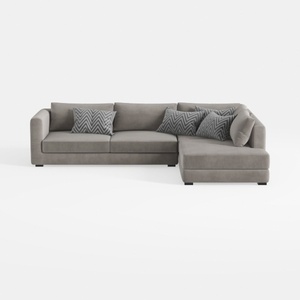
Minimalist Fabric L Shaped Sectional Sofa with Decorative Throw Pillows 3D Model

Minimalist Dark Green Fabric L Shaped Sectional Sofa 3D Model
Homestyler is your go-to platform for effortless home design. With its user-friendly online design tool, stunning 3D renderings, and a wealth of inspiring design projects and video tutorials, you can unleash your creativity and transform any space with ease!
Projete agora para LIVRE













![[For dear Adelina madee 🤎]](https://hs-designs.homestyler.com/production/design/images/8a07e535-9cbc-4132-a42a-5932dac3a112/1706972286037.jpg?x-oss-process=image/resize,w_502,m_mfit/format,webp)