


I have revamped numerous basements into versatile areas like family lounges, home gyms, studios, and guest suites, often while working within strict budgets and challenging designs. The key to a successful basement transformation begins not with choosing furniture, but with optimizing performance in terms of lighting, acoustics, moisture management, and a layout that reflects your daily activities. By establishing solid foundations, you can personalize your space freely without incurring expensive modifications later on, potentially utilizing tools like Homestyler for layout planning.
Given the limited natural light in basements, creating a comprehensive lighting strategy is essential. According to IES guidelines for residential areas, strive for about 10–20 footcandles (fc) of ambient lighting and 30–50 fc for task areas. When designing, incorporate a mix of 2700–3000K warm light in lounges, coupled with 3500–4000K neutral lighting for gyms and studios. WELL v2 standards also underscore the importance of glare control, flicker-free drivers, and uniform lighting to mitigate eye strain. By using these benchmarks, you can effectively plan the number and placement of fixtures, ensuring your space remains bright and inviting.
Organizing the Space Based on Activities
In basement design, circulation paths and headroom heights are crucial. I always begin by mapping out movement areas and necessary clearances—keeping a minimum of 36 inches for primary pathways and 18–24 inches for secondary ones, with 42–48 inches where two people might pass frequently. Natural barriers such as equipment niches, column areas, and mechanical chases can effectively divide spaces into zones: media, play, fitness, crafts, and guest accommodations. For quick adaptations without the need for redrawing plans, utilizing a room layout tool, such as Homestyler, allows you to visualize traffic, furniture arrangements, and sightlines prior to construction. High-traffic areas should be located near the stairs, while quieter functions can be placed further in, where ceiling heights may be less accommodating.
Lighting Strategy: Layered, Balanced, and Glare-Proof
Plan for layered lighting that includes ambient (recessed or surface-mounted), task (track or under-shelf), and accent (like wall washers or cove lights). Convert lumens to meet your fc goals while considering beam spreads; wall-washing techniques can enhance dim areas without harsh lighting spots. Implement flexible dimming options: multi-scene presets can cater to movie nights, exercise sessions, or study environments, enhancing the versatility of each space. To avoid reflections on screens, keep direct-view LEDs at bay, and when finishing walls, consider integrating shallow sconces and indirect coves to brighten spaces without adding visual clutter.
Color and Atmosphere: Psychological Effects in Low-Light Spaces
Color plays an essential role in spaces where natural light is limited. Use neutral, mild tones—such as warm greige, gentle taupe, and light sage—to help balance perceived brightness. In areas requiring energy, like fitness zones, incorporate vibrant mid-tone blues and greens, which studies have linked to increased alertness and stability. Softer shades in lounge areas promote relaxation. Don’t overlook gloss levels: matte to eggshell finishes can minimize glare on low ceilings while satin finishes on trim can enhance structural clarity.
Acoustic Comfort: Address Noise from the Get-Go
Basements can amplify low-frequency sound. Practical measures include adding 1–2 layers of 5/8 inch gypsum on resilient channels to isolate ceilings beneath bedrooms; fill stud cavities with mineral wool for better sound transmission class (STC); and choose carpet tiles or cork for quieter play and media areas. Employ fabric panels or bookcases at first reflection points to manage echo in longer rooms. For spaces designed for music or workouts, prioritize solid-core doors with perimeter seals—it's often easier and more cost-effective to build for sound reduction than to retroactively mitigate noise issues.
Moisture, Air Quality, and Material Selection for Durability
No finish will withstand damp conditions. Always begin with proper grading, drainage systems, and vapor barriers, then choose materials that can endure humidity fluctuations. Consider luxury vinyl plank with a rigid core, porcelain tiles with area rugs, and engineered wood specifically rated for below-grade use. When it comes to walls, opt for moisture-resistant gypsum and mold-inhibiting primers. Also, select low-VOC paints and adhesives to ensure good air quality; WELL v2 outlines air quality standards that can be beneficial to follow. If your basement serves as a gym, make sure to include washable wall surfaces and high-R-value insulation for temperature regulation.
Zoning: Maximizing Utility of Your Space
I categorize basement areas into three usage tiers: anchored zones (such as a media wall, wet bar, or built-ins), flexible spaces (like open play areas, studios, or dining extensions), and buffer zones (storage, mechanical, and laundry). Align your anchored zones with structural features—such as columns, beams, and plumbing—to avoid challenges during implementation. The flexible zones benefit from adaptable furniture and durable flooring solutions, while buffer zones should be positioned with doors and acoustic treatment for privacy. Utilizing an interior layout planner, like Homestyler, can assist in visualizing various configurations, catering to family gatherings, quiet work periods, or guest hosting.
Managing Ceiling Heights and Visual Flow
Uneven ceiling heights are common in basements. Embrace this challenge by incorporating bulkheads into well-defined bands, echoed through your lighting and color choices. Maintain main circulation paths under the highest areas to enhance the perceived volume of the space. In lower segments (such as beneath ducts), use linear lighting and continuous shelving to create a sense of extended sightlines. A slight reveal of 1–2 inches at beam drops can craft sharp shadow lines that turn a limitation into an attractive architectural feature.
Clever Storage Solutions Without Clutter
Effective storage should combine enclosed and display solutions. Consider under-stair pull-outs, wall-depth cabinets, and tall lockers near entry points for sports gear or seasonal items. For family areas, a combination of base cabinets with open shelving can house toys and books; utilizing baskets can help minimize visual clutter. In hobby zones, pegboards and adjustable shelving keep tools orderly yet easily accessible. Ensure storage solutions are away from the dampest walls and elevate base units on composite feet to promote longevity.
Furniture Layout: Proportions, Clearance, and Balance
Before making furniture purchases, measure your available space. Sofas with depths of 34–36 inches can overwhelm lower ceilings; instead, look for slimmer profiles with raised legs to allow more visibility of the floor. Maintain a minimum of 24–30 inches between seating arrangements and 36 inches behind chairs for easy movement. For media setups, the ideal viewing distance should be 1.4–1.8 times the screen diagonal to avoid strain. Modular sectionals and nesting tables can easily adapt to varying usage. If reconfiguration is a frequent necessity, utilizing a layout simulation tool like Homestyler can provide insight into different scenarios.
Lighting Controls and Technology Integration
Implement smart dimmers that can be grouped by zone, rather than by individual devices. Motion sensors are best suited for storage and laundry areas, not lounges. Conceal cable runs in baseboards or built-ins to maintain a clean appearance and prevent ceiling penetrations. If planning for distributed audio, ensure pre-wiring is executed with amp locations isolated from HVAC vents to reduce noise interference. A dedicated subpanel may be necessary if adding equipment-heavy spaces like workshops.
Budgeting Phases: Completing the Project in Stages
Prioritize tasks that protect the integrity of the space first: waterproofing, insulation, and foundational lighting must be completed before embarking on walls and flooring, followed by final touches like millwork and furniture. I often suggest starting with durable flooring and core lighting, then living in the space for a period to validate different zones before committing to permanent installations. This thoughtful approach ensures that your budget aligns with actual usage patterns, rather than unmet expectations.
How Homestyler’s Free Basement Design Tool Can Assist
Visualization tools make conceptual decisions easier. With Homestyler’s capabilities, you can draft a basement layout, experiment with furniture arrangements, assess sightlines to screens, and explore color schemes under varied lighting conditions. The rendering features help highlight potential glare from fixtures placed near TVs and ensure adequate clearances around equipment. The ability to make quick adjustments can significantly reduce the risk of costly changes during construction.
Common Basement Types and Design Considerations
- Media-centric family room: darken the screen's background wall, maintain 2700–3000K ambient light levels, and introduce adjustable task lights for snacks and games.
- Gym and studio hybrid: opt for rubber or cork flooring in areas experiencing high levels of sweat, set lighting to 3500–4000K, and ensure mirrors face windows for enhanced light reflection.
- Guest room: prioritize acoustic isolation, incorporate a small wardrobe, use soothing neutral color schemes with warm lighting, and ensure egress requirements are met.
- Children’s play and craft area: focus on wipeable surfaces, flexible storage options, durable flooring, and provide clear paths that are free from hazards.
Checklist: Pre-Commitment Considerations
- Verify moisture control and radon systems are in place.
- Chart out structural components and ceiling drops.
- Establish lighting objectives (fc levels and CCT).
- Identify zones that align with your typical routines.
- Select materials approved for below-grade use.
- Manage acoustics from the outset.
- Plan phases in your budget to safeguard overall performance.
- Utilize a room design visualization tool to prototype layouts.
FAQ
Aim for approximately 10–20 fc of ambient light and 30–50 fc of task lighting in active areas, adhering to IES standards for residential environments. Layered lighting helps avoid harsh glare and bright spots.
Utilize warmer 2700–3000K lighting in media lounges to ease eye fatigue, while 3500–4000K neutral-white lighting caters to activity-intensive areas like gyms or studios for optimal alertness.
Opt for softer flooring options such as carpet tiles or cork, incorporate mineral wool into wall partitions, and place fabric panels at initial sound reflection areas. Solid-core doors with seals considerably improve sound insulation.
Choose materials that are suitable for below-grade use and ensure they are paired with appropriate vapor barriers. Engineered wood products typically offer better dimensional stability than solid hardwood in basements.
Maintain a viewing distance of about 1.4–1.8 times the diagonal measurement of the screen to enhance sight comfort and reduce visual strain in compact rooms.
Use Homestyler’s planning tools to evaluate traffic flow, furniture sizes, and adjoining zones, and then generate lighting scenes to assess brightness and glare before beginning construction.
Absolutely. Focus on ensuring balanced airflow and filtration, and choose finishes that are easy to maintain. Following WELL v2 air quality standards for VOC levels might also be prudent, particularly if workouts are frequent.
The combination of luxury vinyl plank, porcelain tiles with area rugs, and rubber or cork flooring in fitness areas are both durable and able to withstand moisture fluctuations.
For main circulation pathways, aim for approximately 36 inches in width; secondary routes can range from 18–24 inches, widening to 42–48 inches in places where two individuals often pass or carry objects.
Definitely. Use continuous lighting, color bands, and integrated elements to establish visual flow. Always keep traffic areas under the taller sections to enhance the perception of verticality.

Minimalist Fluted Solid Wood 6 Drawer Dresser 3D Model
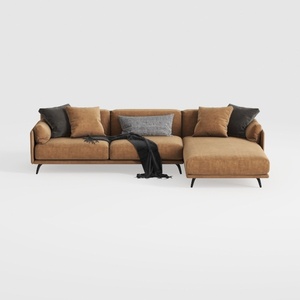

Coaster Home Furnishings - Camacho - Upholstered C

Fluted Storage Cabinet, 31.5“ Wooden Sideboards
Homestyler is your go-to online platform for home design. With its user-friendly design tool, stunning 3D renderings, and a wealth of inspiring design projects and DIY video tutorials, you can effortlessly create and visualize your dream space, regardless of your experience level!
Diseño ahora GRATIS
































