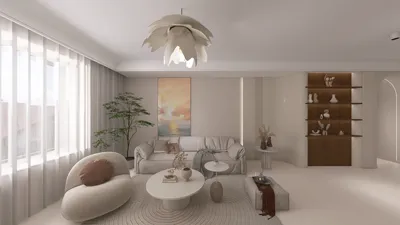


Creating an anniversary atmosphere doesn't necessitate a luxurious hotel room or a full-scale event team. By utilizing appropriate lighting, purposeful color schemes, and a deliberate arrangement, a well-loved space can transform into something unique—intimate, elevated, and profoundly personal. In my design work, I find that the most significant transformations arise from how we plan the sequence of events and tailor the surroundings accordingly. Begin by identifying a primary area—be it a dining space, a lounge zone, or a cozy bedscape—and ensure that all choices enhance that focal point, perhaps even using tools like Homestyler for layout visualization.
Effective lighting is essential to set the right mood. The Illuminating Engineering Society indicates that typical residential ambient lighting ranges from 100 to 300 lux, with softer accent lighting dropping to between 50 and 100 lux for a more intimate feel (IES suggestions). Aim for warm dimming settings (2700–3000K) while layering light sources to ensure faces are illuminated without harsh glare. According to insights from Verywell Mind, colors serve a purpose beyond aesthetics: reds can heighten passion and vitality, while softer shades like pinks and peaches promote warmth and friendliness; shades of blue and lavender help create calm and alleviate stress—consider employing these in textiles, candles, or projected light washes. For holistic wellness, incorporate principles from the WELL v2 framework: minimize glare, promote fresh airflow, and reduce noise to foster a soothing atmosphere.
Crafting the Ideal Ambiance with Layered Lighting: Warm and Dimmable
For anniversary settings, I incorporate a three-layered lighting approach: ambient (soft, even base), task (designated areas for dining or reading cards), and accent (flicker, sparkle, or glow). Keep the ambient light levels within the 75 to 150 lux range for a romantic vibe, increasing to 200 to 300 lux only for activities like plating, mixology, or reading. Employ 2700K candles and LED strips placed behind headboards, under shelves, or along window frames for indirect illumination that provides highlights without glare. Position candles at varying heights for added dimension; replace harsh overhead lights with table lamps featuring fabric shades and dimmable bulbs. If capturing the evening in photographs, opt for high-CRI warm LEDs instead of overly orange bulbs to ensure natural skin tones.
Understanding Color Psychology: Purposefully Curating Your Palette
Establishing a cohesive look starts with a two-color base and one accent hue. For a comfortable and intimate feel, consider a combination of blush, sand, and a touch of oxblood; for a calming spa ambiance, try oyster, slate, and lavender; for heightened romance, focus on ivory, fig, and vintage gold metallics. Infuse color into the setting using throw blankets, floral arrangements, ribbon-wrapped napkins, taper candles, or a single vibrant backdrop created using a draped fabric or screen. Insights from Verywell Mind on color psychology can help you align your choices with the desired emotional experience; choose one key emotion like calmness, passion, or nostalgia, and design around that to ensure a clear message throughout.
Designing the Space: Creating Focal Points, Sightlines, and Flow
Begin at the entrance: what is the first visual impression? A beautifully lit table arrangement, a flower arch at the headboard, or perhaps a vintage record player accompanied by a framed wedding picture each sets a narrative tone. Position your centerpiece at the center or slightly off-axis for a natural draw. Arrange surrounding elements in concentric patterns: place soft lights at the edges, richer textures in the central area, and cherished items accessible at arm’s length. If you’re organizing an intimate dinner at home for two, sketch out furniture placements, traffic patterns, and service areas; utilizing a digital room layout tool such as Homestyler can assist in evaluating seating distances and sightlines before you physically rearrange any furniture.
Selecting Textiles and Materials: Crafting Tactile Narratives
Romance is often found in textures. Pair a luxurious velvet throw with washed linen sheets, a silk cushion, and a textured boucle ottoman to create a sensory experience. Maintain a focused color scheme while varying the weave and sheen. Consider sustainability—select low-VOC candles, natural materials, and reusable napkins. Incorporating a single heirloom item, like lace from a wedding dress or a ribbon from the bouquet, can provide instant thematic anchoring.
Sound and Scent: Fostering Acoustic Tranquility and Aromatic Layers
Acoustic comfort is sometimes overlooked but can significantly enhance the atmosphere. Utilizing soft furnishings, area rugs, and curtains can dampen echoes, fostering a more intimate conversation space. Create two playlists: one for arrival (more energetic, 70–85 BPM) and a second for dining or relaxing (55–70 BPM). Ensure speakers are placed at ear height and positioned away from corners to minimize unwanted sound effects. For fragrance, establish a fresh base (think linen, cedar, or tea) and add a single romantic scent (rose, neroli, or amber). Be cautious not to overwhelming the dining area with scents, allowing the food flavors to shine.
A Table for Two: Creating a Micro Tablescape
Follow the principle of thirds when arranging a table. A low floral arrangement paired with two taper candles and one shared element (such as a breadboard, oyster plate, or cheese slate) can create harmony without excess clutter. Utilize a natural runner (like pre-wrinkled linen) and mix matte ceramics with a single reflective piece like brass cutlery or a crystal glass. Include place cards with handwritten memories from each anniversary to spark conversation. Aim for a comfortable seating distance of 24 to 30 inches for relaxed intimacy, and consider slightly shifting the table off-center to enhance the photogenic appeal.
Transforming Everyday Spaces: Designing a Bedscape and Lounge Area
Elevate your bedroom experience with a thoughtfully arranged stack of textures: crisp sheets, a plush coverlet, a folded throw, and accent pillows. Consider adding a delicate floral garland along the headboard or tying eucalyptus with a ribbon at the bedpost. For a lounging area, position a loveseat between two floor lamps set to 20–30% brightness; arrange books, a shared journal, and a dessert tray nearby. If planning for any surprise reveals, ensure pathways are unobstructed, and lighting is dimmed to 50–100 lux for safe navigation.
Curating Personal Artifacts: Creating Intentional Memories
Less is often more. Select three to five significant artifacts: a framed excerpt of vows, a black-and-white wedding picture, the cork from a memorable bottle, or a travel ticket stub. Display these as a mini-gallery on a console or tray. For added memory-making, consider using a small projector to create a soft, silent slideshow of wedding moments on a blank wall—focusing on soft images, low brightness, and minimal distracting audio.
Setting the Scene with Light: Pre-Programmed Night in Three Acts
Establish simple lighting scenes using a smart dimmer or circuit controls: Arrival (40% ambient, 20% accent), Dinner (30% ambient, 50% accent), and Wind-down (10–15% ambient, 60% accent). Keep the warmth at 2700K; if possible, adjust down to 2400K in the later evening to simulate candlelight warmth. Avoid harsh downlights directly over seating; instead, aim the light towards walls and tabletops to diffuse a gentle atmosphere.
Efficient Layouts for Common Spaces
Shift the bed approximately 6–10 inches to create a centered headboard vignette. Utilize slender wall-mounted shelves as nightstands. Install two wall sconces with dimmers approximately 60 inches above the floor; place LED strips behind the headboard for a halo effect. Consider adding a small bistro table at the window for post-dinner desserts.
Use a floating rug to create a cozy lounge area. Angle the sofa 10–15 degrees toward the focal point to eliminate glare from the TV. Consider using a folding screen or a tall plant to mask everyday messiness while showcasing a styled bar cart. Experiment with furniture arrangements using an interior layout planner to create a balance between movement and intimacy before making any substantial adjustments—tools like Homestyler can be particularly useful.
Position the pendant light around 30–36 inches above the dining table; opt for warm bulbs and dimmable options. If hardwiring isn't feasible, consider a plug-in pendant light with a ceiling hook and cord cover. Align the chairs to face a focal wall or an appealing view, rather than the kitchen clutter.
Choosing Florals and Greenery: Prioritize Form, Scale, and Longevity
Select one standout flower (such as garden rose, ranunculus, or peony) and complement it with airy fillers (like waxflower or astilbe) and sculptural greens (such as eucalyptus or olive). Keep floral arrangements low to maintain sightlines; place symmetrical pairs at the edges of the room to frame the space without overwhelming it. For durability, properly prepare the stems and keep them away from direct heat or flames.
Budget-Conscious Enhancements with Significant Impact
Invest in dimmable bulbs, a lovely linen tablecloth, and one standout floral centerpiece; reduce costs by utilizing thrifted glassware, borrowing candlesticks, and creating printable menu designs. Recycle string lights behind sheer curtains for an enchanting backdrop. A single projection of soft-moving light patterns can dramatically change room aesthetics while staying within budget.
Ensuring Safety and Comfort: A Comprehensive Checklist
Secure candle placements with heat-resistant holders; never place flames beneath surfaces. Keep walkways clear with a minimum of 24 inches available. Make sure cords are anchored; consider adding discreet night lights for navigation. Ventilate lightly if using multiple candles. When serving beverages, ensure water is easily accessible, and keep a small waste bowl nearby for convenience during prep.
Evaluating Success: Mood, Ease, and Lasting Memories
The finest anniversary décor is frictionless: flattering lighting, seating that fosters intimacy, music that envelops without overwhelming, and personal items that incite meaningful conversations. When the environment becomes comfortable, the significance of the evening is allowed to shine—this essence is what we truly aim for.
Research and Authority Notes
For benchmarks related to lighting and wellbeing, refer to IES standards for residential illuminance goals alongside WELL v2 guidelines for light quality and comfort. For further insights on the relationship between color and emotion, check out Verywell Mind's color psychology resources. These references assist in aligning design decisions with actual human experiences and behaviors.
FAQ
Q1. What color temperature is optimal for a romantic anniversary atmosphere?
A1. Maintain warmth at 2700–3000K for a cozy ambiance. For winding down later in the evening, adjust to 2400–2700K. Warm lighting enhances relaxed, flattering skin tones and minimizes glare.
Q2. How bright should the lighting be in the room?
A2. Aim for 75–150 lux for ambient romance, with 50–100 lux for softer accent lighting, and 200–300 lux for brief tasks like plating or reading cards, aligned with IES residential recommendations.
Q3. Which colors facilitate intimacy without being oppressive?
A3. Opt for soft neutrals like oyster and sand paired with a warm accent like blush, fig, or peach. According to Verywell Mind, gentle pinks and peaches evoke warmth and approachability while avoiding the intensity of bright reds.
Q4. What’s a simple method to test the room layout before making any shifts?
A4. A quick digital mockup using an interior layout simulation tool can clarify circulation patterns, sightlines, and focal elements before heavy lifting begins.
Q5. Do you have suggestions for enhancing acoustics during conversations?
A5. Increase fabric density with rugs, drapes, and throws while positioning speakers at ear height, distanced from corners. Soft surfaces help dampen reverberation, making voices sound clearer and more intimate.
Q6. How can I set a small table for two without creating clutter?
A6. Utilize the rule of thirds: include a low floral arrangement, two candlesticks, and a shared platter. Keep arrangement heights below eye level to maintain eye contact, and limit your palette to two colors plus one metallic element.
Q7. What fragrances are suitable for enhancing dinner ambiance?
A7. Keep scents light near the dining table. Use a fresh base (like linen or tea) combined with a subtle romantic note (such as rose or neroli) away from the food area to ensure flavors remain dominant.
Q8. How can I make a bedroom exceptionally special without repainting?
A8. Introduce a fabric backdrop, warm dimmable lamps, an LED strip behind the headboard, and layered textures with throws. A few carefully curated artifacts—like framed vows or a large bloom—can set the mood perfectly.
Q9. What’s a safe approach to using candles in tight spaces?
A9. Utilize heat-resistant holders, varying heights to prevent overheating, keep 12 inches from flammable materials, and consider using flameless LED candles for high-traffic areas.
Q10. How can I capture stunning photographs of the scene?
A10. Turn off overhead lighting for softer effects, rely on side lighting and candle illumination, set white balance to 2700–3000K, and incorporate a single bounce light to reduce shadows. High-CRI warm LEDs can preserve natural skin tones.
Q11. Any sustainable alternatives that still convey luxury?
A11. Consider using linen napkins, beeswax or soy candles, thrifted glassware, and seasonal local flowers. Reusing string lights and renting standout pieces can enhance decor while being budget-conscious.
Q12. What lighting sequences are most effective throughout the evening?
A12. For a smooth transition: Arrival—40% ambient, 20% accent; Dinner—30% ambient, 50% accent; Wind-down—10–15% ambient, 60% accent. Maintain a warm color temperature throughout the evening.
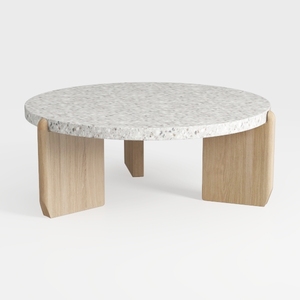
Minimalist Terrazzo Solid Oak Round Coffee Table 3D Model
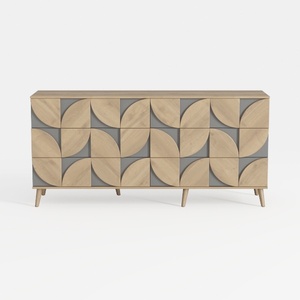
Modern Geometric Pattern Solid Wood Sideboard Cabinet 3D Model

Minimalist Solid Wood Linen Armchair with Throw Pillow 3D Model
Homestyler is an exceptional online home design platform perfect for all skill levels. With its user-friendly design tool, stunning 3D renderings, and a wealth of engaging video tutorials, you can effortlessly create and visualize your dream space. Start your design journey today!
Design Now for FREE
































