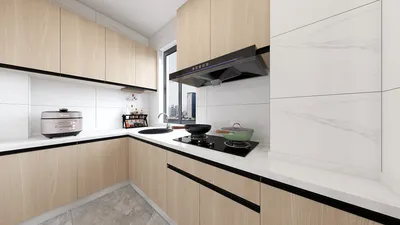


The future approaches rapidly, and I sense the evolution of the 10x20 tiny house transforming from merely functional constraints to a sophisticated code system. Recent findings from NAHB indicate that the average size of newly constructed homes has been decreasing since its peak, marking a significant shift towards maximizing functionality within more compact spaces. In this context, the floor plan of the 10x20 tiny house resembles a streamlined operating system: minimal latency coupled with maximal purpose—an innovative layout for modern living that effectively addresses the pressing issues of cost, commuting, and clutter. Utilizing tools for spatial reasoning, you can visualize this environment with ease.
Front Porch Studio Spine
Design Logic: A linear studio design with a small porch acts as a buffer, integrating factors such as climate, social interactions, and natural light into one cohesive edge, suitable for future hybrid work and living arrangements.
Flow: The layout transitions smoothly from the entryway to a drop zone, then to a galley kitchen, followed by a flexible lounge area, and finally to a wet core at the rear—this orderly design minimizes cross-traffic effectively.
Sightlines: The design boasts an uninterrupted axial flow from the porch to the back clerestory, with distinct layers of functionality: foreground tasks, central seating, and a warming glow in the background creating a visual hierarchy that enhances usability.
Storage: Innovative features include toe-kick drawers, ceiling-mounted bins, and a substantial 10-foot pantry acting as crucial storage like L1/L2 cache for daily versus monthly items.
Furniture Fit: Thoughtfully selected furniture includes a spacious 60-inch loveseat, modular 24-inch counters, and a 30x48 folding table—these choices ensure ample room for movements and activities within the living space.
Verdict: This design accommodates solo living effectively, maintaining a serene environment even as it adapts to future demands, including remote work, micro-hosting, and varying lifestyles.
save pin
Split Loft + Wet Core Anchor
Design Logic: Featuring a centrally located bathroom and mechanical core as a thermal node, the lofted sleeping areas are cleverly positioned to separate nighttime routines from daytime activities.
Flow: This layout routes from the entryway to the kitchen area, progresses through the core, and leads to a lounge at the rear; loft access is designed like programming subroutines—sleeping on the left, storage on the right.
Sightlines: With low guardrails and strategically cut soffits, the design keeps diagonal views open and prioritizes privacy through gradual transitions rather than abrupt walls.
Storage: The stairs double as drawers, while loft knee-wall cubbies and a core-wrapped linen tower provide accessible storage options—efficiency is key in addressing small items.
Furniture Fit: The layout accommodates a compact 54-inch sofa, a round 36-inch drop-leaf table, and a queen loft mattress trimmed precisely to 60x74 for safe egress—ensuring a fit without wasted space.
Verdict: Couples can establish parallel routines seamlessly without overlaps; over time, this disciplined core helps conserve energy and maintain peace of mind.
save pin
Pocket Bedroom + Convertible Gallery
Design Logic: The pocket bedroom features a sliding partition at the back, promoting restful sleep while the front section serves as a versatile gallery—functioning as a workbench during the day and a dining area at night.
Flow: This sequence runs from the porch, through the mud slot, merges with the kitchen rail, continues into the gallery bay, and finally to the pocket bed; each stage clicks together like tabs, simplifying cognitive processing for the user.
Sightlines: The staggered glazing present a rhythmic experience; the eyes initially focus on task areas, then shift to the horizon, while clutter remains out of sight.
Storage: The intelligent use of a vertical peg matrix, along with 18-inch base cabinets and under-bed drawers that are 24 inches deep—these features are mapped according to usage frequency for easy access.
Furniture Fit: This thoughtful arrangement includes a wall-mounted desk measuring 48x20, a bench with a seat depth of 14 inches, and a Murphy-panel at 60x80—each piece designed as functional hardware rather than mere decor.
Verdict: This configuration not only accommodates guests but also promotes restful sleep; it adapts easily as additional tools, pets, or hobbies enter the space.
save pin
## Final Takeaway
The 10x20 tiny house floor plan transcends the notion of a simple box, functioning instead as a living API that harmonizes movement, visibility, and storage—each aspect acting as a coded pathway. Variations such as elevated sleeping areas and pocket bedrooms transform future demands into stable configurations for compact living. From my observations, optimally sized footprints consistently deliver better performance than larger homes when layouts and storage systems are crafted with intentionality, and I frequently witness how minor spatial choices can significantly reshape daily experiences. Consider exploring tools like Homestyler to visualize your design possibilities and bring your compact living dreams to life.

ivoros 75" Convertible Folding Sofa Bed, Modern Sl

ODK 54 Inch Computer Desk Home Office Desk, Gaming

47.2'' Dining Table Set for 4,Modern Wood Dining
Homestyler is your go-to online home design platform, perfect for bringing your vision to life! With its easy-to-use design tool, stunning 3D renderings, and a wealth of DIY video tutorials, you can effortlessly explore various styles and create your dream space.
Design jetzt kostenlos
































