

A Sindhi Panchayat Hall is at the heart of community life, where events like weddings, mediation, cultural gatherings, and social services coexist. My goal is to harmonize traditional customs with contemporary requirements for comfort, accessibility, and versatility using tools like Homestyler, enabling the hall to serve large gatherings as well as smaller meetings without losing its character.
To ensure effective capacity planning and comfort, it's essential to rely on established benchmarks. The WELL v2 standards emphasize how acoustic control and appropriate lighting contribute to occupant wellbeing, particularly highlighting the importance of managing glare and maintaining suitable brightness levels to alleviate eye strain. Research from Steelcase indicates that perceived autonomy over the environment—like lighting and seating arrangements—leads to enhanced satisfaction and engagement. By integrating these principles into a Panchayat Hall, we can improve speech clarity during mediation sessions, foster better focus in community meetings, and create a calm atmosphere during cultural events.
Core Design Principles
When planning the hall, I prioritize clear movement paths, intuitive zoning, and flexible spaces. An elongated rectangular shape (with proportions roughly between 1:1.5 and 1:2) enhances sightlines, stage visibility, and seating efficiency. For multipurpose use, the space corresponds to a seating density of about 0.8 to 1.2 square meters per person when using chairs alone, providing aisles of 1.2 to 1.5 meters for easy exit. For dining functions, I recommend allocating 1.4 to 1.8 square meters per individual based on table dimensions and service style. For layout testing, employing a room layout tool like Homestyler can quickly illustrate seating arrangements, aisle widths, and stage visibility.
Cultural Integration and Spatial Character
Sindhi patterns—such as Ajrak designs, traditional latticework, and warm wooden accents—can be incorporated to enrich the space without overwhelming it. My approach focuses on subtlety: using textured feature walls behind the stage, decorative screens along the aisles, and niche artwork at entry points. A selection of warm neutral colors offset by vibrant accents (such as terracotta, indigo, and marigold) will anchor the ceremonial atmosphere while keeping the space adaptable for non-ceremonial functions. Color psychology, as noted by Verywell Mind, suggests that warm tones can promote a welcoming and energetic environment, but it’s equally important to balance them with cooler shades to prevent overstimulation.
Stage, Dias, and Visual Focus
The dias serves as the main visual centerpiece in the hall. Its size should be proportionate, occupying about 8 to 12% of the total floor area in spaces designed for up to 500 attendees. Side-access stairs are essential for processions, and areas for storing ceremonial props should be included backstage. For arbitration sessions, incorporating a movable lectern and elevated seating fosters clarity and authority, while concealed AV ports for musicians or DJs are critical for weddings. Positioning the stage to minimize direct glare from windows while ensuring that all seating maintains a 27 to 30-degree upward angle toward the speaker dramatically enhances comprehension.
Lighting Strategy
Implementing a layered lighting approach is crucial. General illumination through high-efficiency LED fixtures should aim for about 300 to 400 lux during meetings, complete with dimmable options. For ceremony or reading scenarios, brightness levels should increase to approximately 500 lux in crucial areas, while maintaining a low Unified Glare Rating (UGR) through the use of baffles and indirect lighting methods. Adhering to guidelines set by the Illuminating Engineering Society (IES) for adequate light levels and glare reduction ensures consistent illumination for multifaceted environments. Employing warm-dim tunable LEDs (2700–3500K) can create an ambiance that transitions from festive warmth to focused lighting for discussions. Accent lighting can delineate the stage, wall art, and entry points to project importance without obscuring faces—ensuring that vertical lighting supports facial recognition during discussions and community announcements.
Acoustic Design and Speech Clarity
Acoustic challenges are common in community halls, often struggling with excessive reverberation. My objective for reverberation time (RT60) is set between 0.7 to 1.1 seconds, influenced by the hall’s volume. To achieve this, I recommend employing a blend of sound-absorbing ceiling panels, fabric wall treatments, and diffusive timber elements behind seating areas. It’s important to keep ambient noise levels (from HVAC and external sources) below NC-30 to NC-35 to ensure clarity. Sound reinforcement should be minimally invasive; line array speakers should be positioned to the seating angles to mitigate echoes. The WELL v2 Acoustic standards reinforce the necessity of clarity for reducing cognitive strain and fatigue, thereby improving decision-making during protracted sessions.
Furniture, Ergonomics, and Flexibility
Using stackable and linked chairs with a seat height of 450 to 470 mm and sufficient lumbar support ensures comfort and easy reconfiguration. Providing armchairs at the aisle ends aids older attendees with sit-to-stand transitions. For dining events, tables need to allow at least 750 mm of clear space per individual and 900 to 1000 mm of circulation between rows. Implementing mobile partitions (STC ratings of 35 to 45) enables the creation of breakout spaces without needing permanent installations. Organizing storage under the stage or within wall niches keeps ceremonial items and audio-visual equipment out of sight. Steelcase insights on user control highlight the value of modular furniture arrangements, allowing community committees to shape the space according to their needs—be it for meetings, cultural rehearsals, or mediation sessions.
Entrances, Ritual Flow, and Navigation
Designing the entrance area to accommodate greeting protocols and procession setups is vital. A vestibule equipped with storage for coats and shoes (if required for religious events) helps to maintain order. Wayfinding signage should be bilingual where applicable, supported by clear pictograms. Near the lobby, a donor wall or a community timeline can serve as a tribute to history while ensuring the flow of foot traffic remains unobstructed.
Material Choices and Durability
For high-traffic venues, choosing hard-wearing materials is imperative: consider porcelain or terrazzo floors and scuff-resistant paints, alongside acoustic ceilings with washable textile surfaces. Selecting low-VOC materials where possible promotes better indoor air quality; compliance with WELL v2's guidelines on emissions enhances occupant comfort. To add a touch of ceremonial elegance, incorporate brass or bronze elements sparingly throughout the design.
HVAC, Ventilation, and Thermal Comfort
Targeting a temperature range of 22 to 24°C with minimal air stratification during peak occupancy is essential. Using a mixed-mode system that combines mechanical ventilation with operable windows supports air quality during transitional weather. Return air grilles should be located away from the stage to prevent drafts that might discomfort speakers and senior attendees. Monitoring CO2 levels during crowded events can enhance alertness; keeping values below 1000 ppm is advisable.
Safety, Access, and Inclusivity
Foundational safety features include marked exit routes, maintaining minimum aisle widths of 1.2 meters, and ensuring illuminated paths for egress. Ramps with a 1:12 gradient and tactile markings near stairs, alongside hearing loop systems for speeches, heighten accessibility. Restrooms equipped with adult changing facilities enhance inclusivity for a broader range of community members. In arbitration areas, acoustic barriers ensure privacy and controlled access.
Storage, Back-of-House, and Service Logistics
Catering logistics play an essential role: a warming kitchen with dedicated delivery paths minimizes the impact on front-of-house operations. Storage spaces for props and AV equipment, restrooms at either end, and secure cabinets for sensitive documents ensure smooth operations. Establishing a cleaning route that avoids cutting through the main space keeps the hall organized during events.
Integration of Technology and AV Systems
Placing cabling and floor outlets discreetly, offering ceiling mounts for projectors or LED screens, and supporting hybrid meeting capabilities with strategically positioned cameras are crucial. Offering a mix of handheld and gooseneck microphones, alongside distributed ceiling speakers and acoustic treatments, effectively addresses volume control. For ceremonies or cultural displays, having dedicated DMX lines and dimming options will enable dynamic lighting without requiring extensive rewiring.
Landscaping and Community Connection
Creating an inviting outdoor area with shaded seating encourages social interaction before and after events. Utilizing native plants can lower maintenance needs. Considering protective canopies for monsoon events and incorporating systems for rainwater harvesting when feasible are valuable adaptations. Providing bicycle parking and designated drop-off zones helps manage congestion around the venue.
Financial Planning and Staging
I develop budgets that prioritize key performance areas: acoustics, lighting, seating, and HVAC yield the most significant comfort improvements for the investment. Phased development allows the hall to become operational with the essential systems in place, while additional enhancements such as artwork, advanced AV technology, and premium finishes can be added as funding becomes available.
Illustrative Layout Concepts
For capacity ranges of 350 to 450 attendees, I prefer a design centered around the stage, complemented by two side aisles and a main aisle of 1.4 meters in width to balance emergency exits and ceremonial movement. Back-of-house facilities should be designed along one long wall for service accessibility. To explore these designs or simulate processional flows and seating arrangements, an interior layout planner tool, like Homestyler, can aid in visualizing different scenarios.
Citations and Guidelines (Selected)
For comprehensive guidance on light and acoustic standards, refer to IES guidelines and WELL v2. Research from Steelcase illustrates how environmental control enhances engagement, insights that can profoundly impact satisfaction within community halls. Delve into the Light and Acoustic principles provided by WELL v2 for further clarity.
Common Questions
For chair-only setups, allow 0.8 to 1.2 square meters per person. When planning dining arrangements, aim for 1.4 to 1.8 square meters per guest, always including 1.2 to 1.5 meters for safe exit routes.
Aim for approximately 300 to 400 lux of general lighting during meetings, escalating to about 500 lux in areas where readings occur or near the stage. Utilizing warm-dim tunable LEDs (2700 to 3500K) allows for smooth transitions between settings focusing on ceremonies and discussions while adhering to IES guidelines for glare management.
Set the reverberation time around 0.7 to 1.1 seconds utilizing a mixture of sound absorbers and diffusors. Maintain background noise levels near NC-30 to NC-35, employing targeted line array systems tailored to the seating layout.
Utilize warm neutrals complemented by rich shades like terracotta, indigo, and marigold to resonate culturally. Mixing warm tones with cooler colors helps prevent overstimulation, as color psychology suggests that warm hues foster an inviting and energetic ambiance.
For seating options, chairs with a height of 450 to 470 mm, ample lumbar support, and end-row arm caps facilitate ease of movement. Ensure sufficient aisle clearance is maintained for accessibility.
Incorporate movable partitions (STC ratings of 35 to 45) and modular seating solutions with flexible lectern placement. AV equipment and ceremonial props should be stored near the stage, and using layout simulation tools can expedite reconfigurations.
Maintain temperature control around 22 to 24°C, embracing mixed-mode ventilation whenever feasible. Strategically position return vents away from the stage while monitoring CO2 to keep concentrations below 1000 ppm during peak events.
Employ WELL v2 guidelines concerning lighting, acoustics, and materials; refer to IES for illumination and glare recommendations; and consider Steelcase findings on the impact of environmental control on engagement. These resources guide informed, human-centric design decisions.
Ensure a well-designed vestibule with essential features like shoe racks, coat storage, and drinking stations while creating ample space for processions. Keep donor recognition displays distinct from high-traffic circulation and utilize intuitive bilingual signage for navigation.
Choose durable finishes like porcelain or terrazzo for flooring, scuff-resistant wall paints, acoustic-treated ceilings with washable surfaces, and laminated timbers that withstand wear. Prioritize low-VOC options to enhance indoor air quality.

Minimalist Solid Oak Dining Table With Cylindrical Legs 3D Model

Modern Pink Velvet Gold Metal Bow Back Dining Chair 3D Model
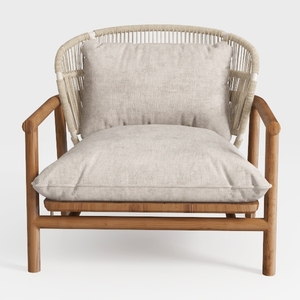
ANJ Modern Arm Chair, Mid-Century Modern Accent Ch
Homestyler is your go-to online platform for effortless home design. It features an intuitive design tool, stunning 3D renderings, and a treasure trove of design projects and DIY video tutorials. Unlock your creativity and transform your space into a masterpiece today!
立即免费设计
































