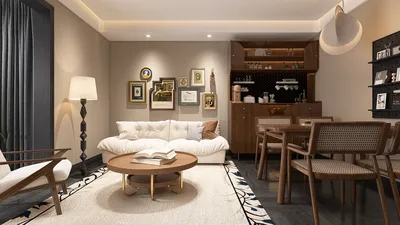


As we transition into the future of living, many current homes continue to grapple with outdated issues such as inefficient use of space, disruptive noise, and disorganized storage. Recent findings from the AIA indicate that homeowners are now placing a higher premium on adaptable layouts and sound separation, often valuing these features more than merely adding extra rooms. This shift necessitates a rethinking of how a 2,500-square-foot home should function. I compare the design of a floor plan to firmware, as it dictates the flow and rhythm of daily activities. We must consider not just the present, but what lies ahead—this is where tools like Homestyler come into play, enhancing our spatial reasoning for better home planning.
Courtyard Spine with Defined Zones
Design Principle: An outdoor central space serves as a timing mechanism, separating quiet personal areas from vibrant social spaces. Future living will require a balance of solitary moments and social engagement.
Flow: The journey begins at the entry, through a mud/laundry buffer, moving into an expansive great room that opens to the courtyard, ultimately leading to the bedroom wing. This layout minimizes interruptions, akin to an event loop in programming.
Sightlines: The design enables diagonal views that connect the kitchen, dining area, and outdoor greenery. Privacy is carefully layered, akin to a user interface that transitions from public to private spaces.
Storage: Features include custom perimeter millwork and bench storage near entries, along with a pantry functioning as a server room for larger items and appliances.
Furniture Arrangement: Featuring a dining span of 10 to 12 feet, modular sofa arrangements, and 30-inch circulation paths, this design creates a structured environment much like API protocols in software.
Conclusion: After five years, this design supports hybrid work arrangements, accommodates teenage schedules, and provides aging-in-place solutions without conflicts, proving its adaptability and foresight.
save pin
Lofted Core with Versatile Studio Space
Design Principle: A striking double-height core integrates the kitchen and staircase, with a flex studio set above as a mezzanine. Future work and learning hubs require vertical space and separation for efficiency.
Flow: Starting at the foyer, the path leads to the core kitchen, navigating through the staircase acting as a communicator, leading up to the loft studio and out to the terrace. This setup strategically routes tasks to minimize disruptions.
Sightlines: The design provides layered views from the cooking area to the living space beyond, up to the studio windows and out to the sky. Information flows visibly, enhancing connectivity.
Storage: Smart solutions include under-stair drawers and ceiling-high pantry spaces, designed to keep equipment easily accessible and organized without lag.
Furniture Arrangement: The space features a 9 to 10-foot kitchen island with dual-task zones, sit-stand workspaces, and acoustically framed lounge areas, promoting both productivity and relaxation.
Conclusion: This layout integrates side hustles, bursts of homeschooling, and quiet family evenings into a seamless living experience, resembling a well-designed operating system.
save pin
Perimeter Suite Arrangement with Central Common Area
Design Principle: Bedrooms, a home office, and a guest suite create an outer ring, while the core serves as a flexible commons space. Future-proofing involves distinguishing between sleep areas and social zones effectively.
Flow: The path begins at the garage drop zone, flows through a galley-style kitchen with an island, into the central commons, followed by the circular corridor leading to the suites, ensuring a cyclic and efficient traffic pattern.
Sightlines: The design offers calm through short, direct views, interspersed with framed longer views of the garden, creating a hierarchy similar to a well-organized dashboard.
Storage: Corridor wardrobes serve as distributed storage solutions, with linen towers and a dedicated hobby closet that efficiently manage resources without overwhelming space.
Furniture Arrangement: The layout accommodates a 12-foot sectional sofa, sliding panels for privacy, and a queen-ready guest area with necessary clearances, providing flexibility without compromising functionality.
Conclusion: As families evolve, spaces can be repurposed without major renovations, maintaining a consistent interface while allowing for changes in function and use.
save pin
Final Thoughts
The essence of a 2,500-square-foot floor plan does not reside merely in its size, but in its effectiveness in minimizing latency, providing clear signals, and anticipating future adaptations. In these dimensions, utilizing flexible suites, sound-sensitive zones, and smart storage solutions transforms mere square footage into an interactive living environment. Whether referred to as a 2,500-square-foot layout or a blueprint for a future-proof home, the functionality is of greater importance than the size itself. In my observations, the next-generation homes will not necessarily be larger; they will be crafted with far greater intention, aided by tools like Homestyler for optimal design.
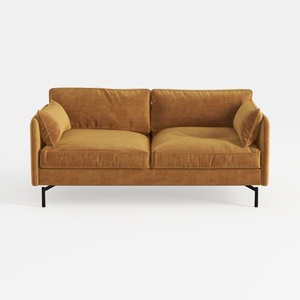
Corduroy High Resilience Sofa with 2 Pillows,57.9
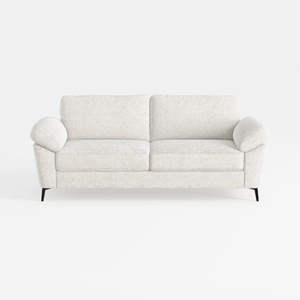
Minimalist Fabric Loveseat Sofa with Black Metal Legs 3D Model

Homestyler is your go-to online platform for transforming home design dreams into reality. Featuring an intuitive design tool, stunning 3D renderings, a wealth of design projects, and helpful DIY video tutorials, it's ideal for both beginners and seasoned decorators. Let your creativity flourish with Homestyler!
Projete agora para LIVRE
































