


As the trend towards smaller living spaces continues, today's tenants face challenges with clutter, noise transfer, and suboptimal layouts. The AIA's Home Design Trends Survey indicates a persistent desire for adaptable, multifunctional areas. In this context, I regard 300 sq ft studio apartment designs as an early blueprint for humane urban living. The future is imminent; I am actively experimenting with a spatial reasoning toolkit that regards layout as the foundational software for everyday life.
Sliding Core + Perimeter Utility
Design Approach: Place a sliding partition that integrates both bed and workspace, allowing essential services (kitchen, bathroom, storage) to follow the perimeter. This design allows the core to transition smoothly from sleeping to working to dining environments.
Movement Path: Entry → utility wall (galley) → adaptable core → window area; this straightforward sequence is designed to minimize interruptions and enhance flow.
Visual Clarity: Upon entering, the eye is drawn along the bright window strip; the core area conceals the sleeping space like a minimal app hidden behind a primary interface.
Storage Solutions: Tall perimeter units serve as organized caches, featuring 24" deep pantries, vertical broom storage, and overhead bins; all clearly labeled for efficient access.
Furniture Placement: The queen-sized murphy bed measures 60"×80", drop-leaf table extends from 30" to 60", and a 64" sofa; all dimensions are designed with clearance to support future routines.
Conclusion: This adaptable layout aligns with life’s demands—prioritizing natural light, ensuring privacy, and allowing the core to transform into various functions without delay.
save pin
Diagonal Sightline Studio
Design Approach: Draw a diagonal line from the entry to the window; angle the kitchenette and a pocket bathroom to create a long visual perspective, making 300 sq ft feel expansive.
Movement Path: Entry node → angled kitchen → lounge area → sleeping nook by the window; this flow eliminates backtracking and promotes streamlined navigation.
Visual Clarity: The diagonal layout functions like a user interface hierarchy—primary focus on windows, secondary on the art wall, and tertiary on concealed storage.
Storage Solutions: Built-in drawers under the bed, carousel storage in the corner kitchen, and an overhead bar for long-term items; all storage is indexed and conveniently located.
Furniture Placement: A 72" sofa placed along the long wall, a 36" round table (enabling smooth traffic), and a 30" desk nestled under the window ledge for concentrated work.
Conclusion: By challenging conventional layouts, this design allows the space to breathe; the angled dimensions sharpen the living experience and elevate micro-living to a more dynamic rhythm.
save pin
Lofted Sleep + Grounded Work
Design Approach: When ceiling height permits, elevate the bed to free up ground space, creating a studio layout that effectively separates tasks and promotes time management.
Movement Path: Entry → wardrobe area → workbench beneath the loft → lounging island → window; the layout supports a clear order from storage to tasks to relaxation areas.
Visual Clarity: Keeping the floor area open with low horizon lines; a slim loft railing ensures an uninterrupted sightline to daylight, maximizing the sense of space.
Storage Solutions: Drawers embedded in stair treads, bins beneath benches, and a 12" deep wall grid designated for tools and books; small caches are organized by usage frequency.
Furniture Placement: The workbench measures 24"×60", a compact lounge chair occupies a 30" footprint, and an island with casters measures 24"×36"; each element integrates seamlessly into the design.
Conclusion: Elevating the bed effectively transforms the room into two distinct functionalities—focused work below and restful recovery above—creating a well-balanced living experience.
save pin
Final Thoughts
Layouts for 300 sq ft studio apartments are not merely compromises; they are meticulously crafted systems where flow, sightlines, and storage function like coded instructions. These micro-apartment designs thrive when every aspect adheres to a structured order and visual hierarchy. The most successful small studio layouts function as if furniture behaves like an API operating under bandwidth limitations. My observations suggest that the most innovative futures often originate in smaller spaces before expanding outward, and tools like Homestyler can be invaluable in visualizing and implementing these designs.

Tribesigns Corner Shelf, Rustic 5-Tier Wall Corner
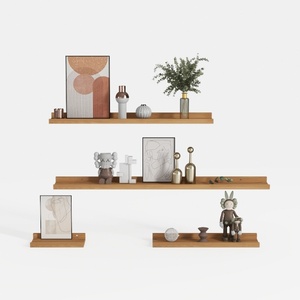
Minimalist Solid Wood Wall Mounted Floating Shelves Set 3D Model
Looking to transform your space? Homestyler is your go-to online design platform! With its easy-to-use design tool, stunning 3D renderings, a wealth of design projects, and insightful DIY video tutorials, you can effortlessly create your dream home—no design experience needed!
立即免费设计
































