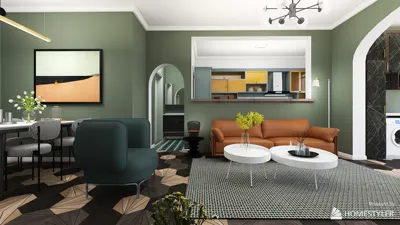


The future of living spaces is evolving and compact designs are leading the way. However, many current apartments still overlook key design elements, featuring long hallways, unexpected obstacles, and inadequate storage that often succumbs to daily demands. According to surveys from AIA and NAHB, there is a noticeable trend towards smaller homes and multifunctional rooms. Additionally, Zillow's ongoing analyses highlight the movement towards downsizing. Reviewing a 500 sq ft house floor plan feels like interpreting initial code—compact, exact, and already adapting to the lifestyles of tomorrow. In this transformative context, I keep a toolkit for spatial reasoning at hand, as every inch serves as a crucial element in design.
Rail-Spine Studio with Partitioned Core
Design Insight: A singular circulation rail extends from wall to wall, with the kitchen, bathroom, and storage cleverly arranged around a central core. The future is all about minimizing delays—less turning and maximizing usable space per linear foot.
Flow: Entry→pantry wall→galley kitchen→flex living bay→sleep niche; the bathroom is centrally located so daily tasks do not interfere with resting periods.
Sightlines: From the entrance, one’s vision travels under a pendant task light to a sunlit window; the core design elements function like user interface cards, unveiling distinct areas sequentially.
Storage: Featuring a full-height pantry, an 18-inch deep wardrobe, and toe-kick drawers; a ceiling shelf loop functions like a circular storage solution for seasonal items.
Furniture Compatibility: A 72-inch sofa, a 24-inch café table, and a 48x78 platform bed nestled in the niche; each piece accommodates a 36-inch movement pathway along the edges.
Conclusion: A streamlined framework reduces friction; in five years, this plan will remain functional as technology and user habits evolve.
save pin
Diagonal Sightline Micro-One-Bed
Design Insight: An angled partition crafts a long diagonal line, making the 500 sq ft feel more spacious, as geometry becomes a clever tool to enhance light and depth perception.
Flow: Entry→closet area→corner kitchenette→living triangle→angled bedroom; the diagonal encourages smooth navigation akin to a fast lane.
Sightlines: The line from door to window remains uninterrupted; a pivoting screen adjusts privacy levels without obstructing visual connections.
Storage: Drawers beneath the bed, a 6-foot built-in cabinet situated diagonally, and a vertical broom slot; everything is organized to prevent access issues.
Furniture Compatibility: A 60-inch loveseat, a 30-inch round table, and a 36-inch desk neatly positioned on the angle; each piece maintains proper turning space as essential boundaries.
Conclusion: The angled design creates significant meaning within a compact layout; future residents enjoy increased flexibility without needing more square footage.
save pin
L-Loop Micro-Courtyard Layout
Design Insight: An L-shaped loop surrounds a light well or borrowed window area; this layout breathes like a micro-courtyard home.
Flow: Entry node→short leg with kitchenette→corner pivot→long leg living/sleep→return near bathroom; this design helps avoid traffic jams.
Sightlines: Each section frames the light well, layering perception like a tiered user interface; maintaining near and far perspectives can help calm the mind.
Storage: A corner pantry, stair-step shelves around the open space, and a slim linen stack near the bathroom; storage areas are shallow yet continuous for quick and easy access.
Furniture Compatibility: A 54-inch bench-sofa, a 28-inch console, a 42-inch folding table, and a queen Murphy bed configured along the long leg; spatial limits are carefully defined for accessibility.
Conclusion: The inward-facing luminosity serves as a sustainable resource; over the next five years, this loop can easily adjust to new devices much like software updates.
save pin
Final Thoughts
A 500 sq ft house layout transcends a mere structure—it embodies a protocol: seamless movement, efficient storage, and well-considered furniture interaction that harmonize daily life. Compact dwellings and strategies for micro-living are not simply compromises; they are the foundations for a more densely populated, mobile future. Through my observations, the most intelligent homes of tomorrow will not necessarily be larger, but instead will be more purposeful. What I consistently observe in my projects is that smaller footprints enable more substantial lives, showcasing the potential of innovative design, particularly with tools like Homestyler that assist in visualizing these compact spaces.
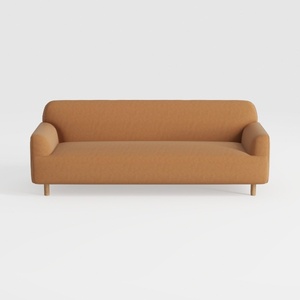
Minimalist Fabric Wooden Legs Sofa 3D Model
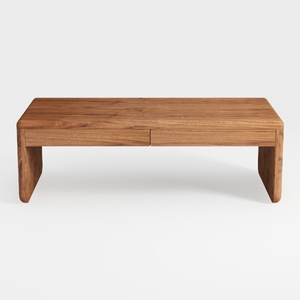
Minimalist Solid Wood Two Drawer Coffee Table 3D Model
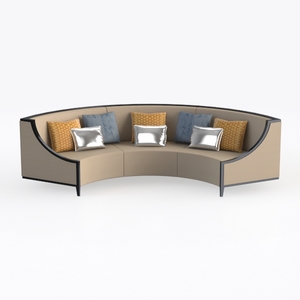
Modern Fabric Curved Sectional Sofa With Decorative Throw Pillows 3D Model
Discover Homestyler, the ultimate online home design platform that lets you effortlessly create stunning interiors. With its user-friendly design tool, vibrant 3D renderings, and inspiring DIY video tutorials, you can turn your vision into reality and transform your space today!
立即免费设计
































