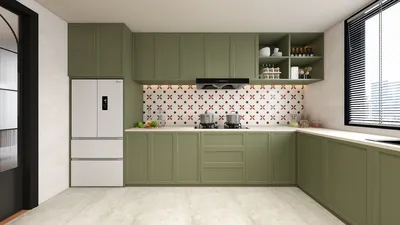


The forthcoming lifestyle aims to reduce environmental impact while enhancing the range of experiences available; presently, issues like clutter, movement delays, and inflexible surfaces linger. Research from the NAHB highlights a growing need for appropriately sized homes as demographic patterns evolve. I'm currently drafting a floor plan for a 300 sq ft residence, as the future feels within reach—and I’m proactively designing for it with tools like Homestyler.
Studio Ribbon Core
Design Logic: A single loaded wall functions like a coding library—integrating kitchen, utilities, and storage into one streamlined ribbon, freeing up the central space for dynamic living. This layout is designed to accommodate flexible schedules and technology-driven lifestyles.
Flow: Entry → utility ribbon → living bay → sleep alcove; this structured sequence minimizes cross-traffic and cognitive strain, enhancing usability.
Sightlines: An open central corridor with staggered views allows the eye to flow from natural light sources to functional areas, facilitating user interface clarity from entrance to windows.
Storage: Tall cabinets combined with toe-kick drawers create a multi-layered storage solution; seasonal items go deep while everyday essentials remain accessible and shallow for quick retrieval.
Furniture Fit: A 72" sofa, a 24" deep media rail, and a queen-sized Murphy bed define the interface; all elements fit neatly without encroaching on movement areas.
Verdict: This design arranges a micro-home akin to software: predictable, compressible, and ready for enhancements as lifestyles change in the forthcoming five years.
save pin
Diagonal Sightline Spine
Design Logic: A diagonal design splits the space, transforming 300 sq ft into clear segments; future living trends prefer recognizable micro-zones over monolithic layouts.
Flow: Corner entrance → diagonal gallery → kitchenette area → workspace nook → window lounge; each transition functions like a command in an efficient script.
Sightlines: The diagonal layout helps create a UI breadcrumb effect; peripheral views showcase various areas—meal prep, work, and rest—without visual interference.
Storage: Corner towers and wedge pantries maximize storage where walls converge, increasing capacity while preserving organization.
Furniture Fit: A 30" drop-leaf table, an 18" deep banquette with concealed storage, and a 48" desk provide precise ends that respect the flow of movement.
Verdict: This angular logic transforms restrictions into purposeful design; it remains adaptable as digital tasks and physical relaxation interchange daily.
save pin
Split Micro Suite
Design Logic: Divide the 300 sq ft into dual micro-suites for day and night. The future seeks contexts rather than static rooms, with seams modeled like version control in software.
Flow: Entrance → day suite (cooking/work) → pocket door → night suite (sleep/restore); actions unfold smoothly with minimal interruptions.
Sightlines: Low partitions maintain a sense of space; frosted sections create a UI blurring effect, ensuring privacy while keeping orientation and light distribution intact.
Storage: Over-door transoms, under-bed compartments, and slim vertical lockers form multi-tiered storage for varying seasonal needs.
Furniture Fit: A 60" platform bed, a 20" deep kitchenette, and a 36" foldable bench; each item serves as a callable function with specific dimensions.
Verdict: The split configuration balances life's demands—work, relaxation, entertaining—ensuring the micro-home operates seamlessly as requirements adjust over time.
save pin
Final Takeaway
A floor plan for a 300 sq ft residence may be limited in size, but not in function; the interface's effectiveness surpasses the physical boundaries. By embracing compact living, micro apartment logic, and modular furniture that stacks like software code, homes evolve into precise environments. My observations reveal that the most intelligent homes of the future won’t necessarily be larger; instead, they will be more deliberate. What I consistently notice in my designs is how efficient layouts, optimized sightlines, and disciplined storage solutions are redefining daily living. Homestyler has been instrumental in visualizing these innovative spaces.

70.8” Tall Arched Bookcase, 5 Tier Tall Bookshelf,

YITAHOME Wine Bar Cabinet, LED Farmhouse Liquor
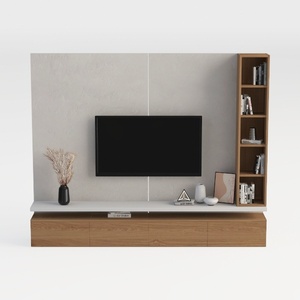
Minimalist Solid Wood and White TV Stand Wall Unit with Bookshelves 3D Model
Discover your home's potential with Homestyler! This user-friendly online design platform offers powerful 3D rendering, inspiring design projects, and helpful DIY video tutorials. Whether you're a beginner or an experienced decorator, Homestyler makes bringing your design ideas to life easy and enjoyable.
立即免费设计
































