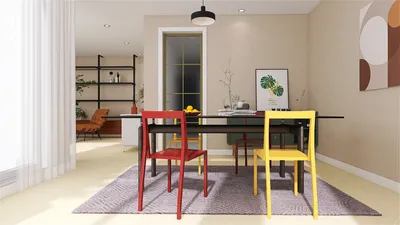


As we move forward into the future, my clients continue to navigate the challenges of noise, clutter, and fatigue from daily commutes. I envision how an 800 sq ft 3 bhk layout can transform into a well-organized interface accommodating daily life. Insights from the NAHB survey indicate a rising preference for smaller homes with multifunctional rooms, as families prioritize versatility over mere square footage. Within this thoughtful 3 bhk design, the space feels both streamlined and expansive, reflecting the evolving narrative of urban living within stringent limitations. Tools for spatial reasoning play a vital role here.
Split-Core Corridor with Convertible Suite
Design Principles: The central corridor acts as the backbone of the layout; branching out from it are three rooms, one of which is convertible to accommodate guests or home office needs, supporting flexible lifestyles and multi-generational living.
Flow: The movement through the space is structured—entry leads to a drop zone, flowing into the living hub, which then separates towards the kitchen and corridor; the bedroom areas are positioned at the quieter end, effectively reducing cross-traffic.
Sightlines: From the living hub, a diagonal view opens up to the kitchen window and natural light at the corridor's end, creating a sense of depth. Door placements are staggered to avoid direct visual interruptions.
Storage: Shallow wall bays line the corridor for storage; kitchen rails overhead, and under-bed drawers in every room offer compact solutions to maintain order without overflow.
Furniture Arrangement: A sofa measuring 72–78 inches, a dining set for four that folds to two, and a 48-inch desk in the convertible suite are all carefully selected. The primary bedroom features a queen-plus size bed, while doubles are used elsewhere in accordance with area limits.
Conclusion: This structural design adapts seamlessly from weekdays to weekends; even five years down the line, it remains agile—rooms evolve their functions without disturbing the central harmony.
save pin
Open L-Shape Living + Galley Kitchen Anchor
Design Principles: Living and dining areas are creatively arranged in an L-shape, with the kitchen serving as a stable anchor; it effectively accommodates meal preparations, school bags, and late-night snacks, all while maintaining social interactivity.
Flow: The pathway for meals follows a loop from preparation to plating, then to the table, and finally to the sofa and balcony, ensuring family interactions remain fluid and minimizing backtracking.
Sightlines: A low island design preserves visual continuity from entrance to balcony; the tall pantry placement is carefully arranged to avoid creating visual blockages.
Storage: The pantry features full height with a depth of 24 inches, complemented by toe-kick drawers and a dining bench with lift-up lids for easy access, ensuring organization and efficiency.
Furniture Arrangement: The dining area accommodates a 30x60 inch table, with a 24x48 inch island. The sofa can be a maximum of 90 inches, while foldable bistro sets on the balcony maintain an active space rather than dead areas.
Conclusion: For a compact 3 bhk, this model provides stability for daily activities—meals, homework sessions, and entertainment—ensuring future adaptability without expanding the space unnecessarily.
save pin
Quiet Triad Bedrooms with Layered Privacy
Design Principles: The three rooms are strategically organized as a triad: the primary bedroom situated deepest, the children’s room adjacent, and a flex room near the center—this arrangement offers varying levels of privacy that align with energy cycles throughout the day.
Flow: The nighttime process flows smoothly from the bathroom to the primary room; children can easily transition directly from the living area to their bedroom, and the flex space connects conveniently to the hallway for quick adjustments.
Sightlines: Misaligned door locations help eliminate direct visibility; clerestory or transom windows can introduce daylight without compromising privacy.
Storage: Bedrooms are designed with wardrobes measuring 18–22 inches deep, complete with top bins; a shared linen tower in the hallway and a vertical peg grid in the flex room provide structured options to manage seasonal fluctuations.
Furniture Arrangement: The primary bedroom includes a queen bed with 24 inches of clearance on both sides; there’s a twin bed and 18 inches for study space in the children’s room, while the flex room accommodates a murphy bed and a 42-inch workstation, facilitating smooth transitions between activities.
Conclusion: This triad design remains resilient as household dynamics change; even in five years, the layered privacy continues to feel purposeful—rooms adapt seamlessly, much like software modules, needing little revision.
save pin
Final Thoughts
The 800 sq ft 3 bhk layout is not merely a compromise; it serves as a well-designed interface for families who consider space as a form of bandwidth and time as a measure of integrity. In this compact structure, three bedrooms function as agile components—integrating work, rest, and play effectively through well-planned flows and storage solutions. My experience shows that these intelligently designed small homes, particularly with tools like Homestyler, can create a sense of spaciousness through thoughtful intentions, presenting a tranquil path toward the future.
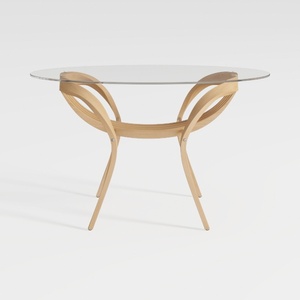

33 in. Natural Medium Round Glass Coffee Table
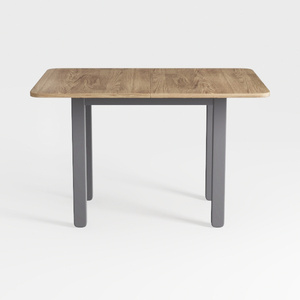
Outsunny Aluminum Outdoor Dining Table, 35.5"–71"

CraftThink Modern Wood Writing Desk, H-Shape Offic
Discover the magic of home design with Homestyler! This user-friendly platform offers an intuitive online design tool, stunning 3D renderings, and a plethora of inspiring design projects. Plus, its DIY video tutorials will ignite your creativity. Transform your space effortlessly and enjoy the journey!
Zaprojektuj teraz za darmo
































