

The impact of scent can alter environments just as effectively as light and sound. Utilizing a well-calibrated perfume dispenser can change how a space feels in mere moments—transforming a lobby into an upscale area, making a living room more tranquil, or grounding a yoga studio immediately. The key lies in synchronizing fragrance with airflow, acoustics, and material selection to enhance the environment rather than overpower it.
Research indicates that air quality significantly affects our emotions and productivity. The WELL v2 Air guidelines prioritize maintaining PM2.5 at ≤ 15 µg/m³ and PM10 at ≤ 45 µg/m³, highlighting that fragrance should complement clean air rather than cover up existing odors. Studies by Steelcase emphasize that environments fostering comfort and well-being correlate with greater cognitive focus and overall satisfaction, calling for a balanced approach where scent plays a supportive role along with other sensory inputs. For instance, Verywell Mind's insights on color psychology suggest that cool colors like blue are associated with calmness, while warm shades like orange evoke energy—valuable tips when choosing fragrances for areas with specific purposes.
In professional settings, research from Herman Miller shows that sensory elements such as light, sound, air quality, and movement influence productivity. Therefore, fragrance addition must avoid clashing with these fundamental aspects. To prevent overwhelming sensations, I calibrate diffuser outputs according to airflow and aim for scent intensity levels of 1–2 on a scale of 10 in general spaces, ensuring the HVAC system can distribute fragrance effectively without creating uneven spots.
Selecting the Appropriate Dispensing Technology
Not every fragrance dispensing system operates alike. Nebulizing units atomize pure fragrance oils into fine particles for precise diffusion and rapid saturation, making them perfect for reception areas and boutique stores. Ultrasonic devices use water to deliver smoother diffusion and may introduce gentle humidity—a welcome addition in dry conditions but that requires monitoring to prevent excessive moisture. Passive wick systems are ideal for smaller residential spaces needing minimal upkeep. In expansive commercial environments, I favor duct-integrated units connected to the building's BMS for scheduling based on time and occupancy.
Air Quality, Ventilation, and Safety Measures
Begin with establishing superior air quality: high-MERV filtration, sufficient fresh air circulation, and addressing odor sources from the source. The WELL v2 and IES recommendations stress that scents should enhance clean air rather than mask problems. Opt for IFRA-compliant fragrance oils and maintain total volatile organic compounds within regulatory limits. While fragrance-free policies may be necessary in healthcare and educational settings, thoughtfully crafted signature scents can enhance hospitality experiences when clearly defined.
Scent Zoning and Behavioral Influence
Scent acts as a subtle motivator. In retail spaces, bright citrus and green fragrances can invigorate customers at entry points, while soft wood and vanilla scents can encourage relaxation in lounge areas. For workplaces, mint or rosemary scents positioned in collaborative zones foster productivity, while deep work areas benefit from minimal fragrance to maintain focus. In home designs, using lavender in the evenings can create a calming atmosphere, while light florals and neroli work well for morning routines. When organizing scent zones, I also consider color and light temperature—cooler 3500–4000K lighting combined with herbaceous scents for clarity, and warmer 2700–3000K tones paired with amber woods to promote relaxation.
Planning Layouts and Scent Diffuser Placement
The location of diffusers is crucial, often more so than their intensity. It is best to avoid placing diffuser heads within 1–1.5 meters of seating to prevent strong direct plumes. In longer hallways, spacing units every 6–8 meters and aligning them with supply vents will ensure even scent distribution. For multi-room homes, simulating layouts can help assess scent spread and airflow paths prior to installation; tools for room layout visualization can aid in understanding airflow and user pathways, thus facilitating refinements across transitions.
Room Design Visualization Tools
Acoustic and Lighting Factors
Even quiet diffusers can produce subtle sounds like hums or intermittent clicks. In quiet areas such as libraries or concentration spaces, it is advisable to hide diffusers in service chases or opt for passive systems. Moreover, lighting influences our scent perceptions; harsh lighting can make a bright citrus fragrance appear overly sharp. I adjust lighting to remain between 300–500 lux in general areas while ensuring UGR ≤ 19 in workstations, fostering a comfortable ambiance when adding fragrance cues.
Choosing Materials and Ensuring Longevity
Different materials react to fragrance differently. Wood and fabric may retain scents longer, while non-porous materials tend to release them quickly. It's important to select finishes with low VOC emissions and avoid porous surfaces near diffusers if rapid scent changes are desired. Sustainable essential oils and carrier bases can lessen environmental impact; always check the Material Safety Data Sheet for every blend and ensure labels can be traced by maintenance teams.
Creating Brand Experience with Signature Scents
In hospitality and retail, scent can significantly contribute to brand recognition. I create a three-note structure comprising a top note (inviting, bright), a heart note (unique identity), and a base note (lasting, subtle). Testing these combinations with small groups over two weeks and collecting feedback at different peak times can refine the experience. Seasonal variations should be kept minimal; consistency tends to be more impactful than novelty.
Ergonomics, Inclusiveness, and Allergic Sensitivities
Human factors in design are essential. Establish fragrance-free routes for those with allergies and create clear opt-out zones in open office layouts. Post a brief fragrance statement at entrances detailing composition (e.g., citrus/floral), intended intensity, and contact information for customization. Implement time-based controls that respect natural rhythms—keeping scents lighter during periods requiring high cognitive engagement and tapering off in the afternoon to prevent sensory fatigue.
Integrating with Building Systems
Smart scheduling reduces waste and ensures reliability. Connecting dispensers to occupancy sensors, CO2 levels, or event calendars can optimize fragrance usage—ramping up before dining services, reducing during peak times to avoid interfering with food aromas, and resetting during cleanup through neutralizing cycles can enhance overall experience.
Maintenance and Performance Measurement
Effective maintenance differentiates between an inviting scent and an overpowering one. Standardize cartridge replacements, clean nozzles on a monthly basis, and keep a log of output settings. Use brief, controlled bursts of scent to prevent overwhelming saturation. Regularly walk through spaces using a perception scale from 1 to 10, sampling at entry points, seating areas, and air return locations, and adjust diffuser locations or operational schedules as needed.
Safety, Compliance, and Communication Practices
Ensure compliance with local regulations and building policies regarding fragrances. Train staff adequately in handling oils, managing spills, and proper storage. Open communication with occupants fosters transparency, which can help mitigate complaints and enhance acceptance of fragrance practices.
Design Scenarios for Different Spaces
In residential environments—one ultrasonic diffuser per 25–35 m² of living space with a low-intensity evening lavender blend works well. For boutique retail—place a duct-integrated nebulizer near the entry utilizing bright citrus top notes during opening hours, tapering intensity by midday. In corporate lounges—use passive wicks within seating clusters offering subtle woods and tea notes at low intensity to avoid competing with coffee shop areas.
Authoritative References for Guidance
For comprehensive advice on air quality and comfort, resources like WELL v2 provide essential thresholds and effective strategies, while Steelcase's studies explore the influence of sensory environments on workplace performance. These insights can help align scent decisions with broader well-being objectives, including tools like Homestyler for layout adjustments.
Tips to Get Started with Fundamentals
Assess air quality, airflow dynamics, and background acoustics before introducing scents. Achieving right fundamentals reduces the need for frequent adjustments later on.
Tips for Effective Testing
Conduct pilot weeks to gather user feedback and document the results. Minor adjustments in intensity or diffuser placement can lead to significant improvements in user experience.
Tips for Scent, Color, and Light Alignment
Utilize color psychology and appropriate lighting temperatures to enhance the intention behind fragrances—whether for calmness, focus, or hospitality—without intensifying the scent too strongly.
FAQs Regarding Scent Practices
Maintain perceived scent intensity around 1–2/10. It should be clear near entry points yet barely noticeable at desk levels to maintain focus.
Duct-integrated nebulizers that connect to a building management system provide consistent coverage and scheduling while requiring less maintenance than standalone units.
Certainly! When fragrance is paired with appropriate lighting and sound, bright top notes at entries can encourage alertness; softer heart or base notes in seating areas can motivate lingering without feeling overpowering.
Ensure you create scent-free routes, keep intensity extremely low, clearly disclose the fragrance families used, and establish opt-out zones. Always respect any organizational regulations regarding fragrance limitations or bans.
Ultrasonic models can slightly increase humidity, aiding scent dispersion in dry air, but should be monitored to prevent discomfort or damage to materials.
Position devices near supply diffusers for optimal distribution; avoid placing them directly beside air return vents and ensure filters and fresh air exchanges meet best practices before integrating scent.
Absolutely; overly cool lighting could exacerbate the brightness of citrus scents, and harsh glare might make any fragrance feel intense. Adjusting lighting to 300–500 lux with glare management can help maintain a balanced atmosphere.
Typically, maintenance occurs every 4–8 weeks depending on usage and the specific system in place. Monthly cleaning of nozzles and maintaining a change log will help ensure consistent performance.
Exercise great restraint when using scents. Light diffusion before service can set a positive tone, but it's best to reduce intensity during dining to avoid interference with palate and aromas.
Create a memorable central note supported by a welcoming top note and a subtle base note. Testing across various occupancy times and seasons allows for an informed decision while maintaining brand consistency.
Homestyler's roots trace back to Autodesk, the global leader in design and engineering software. That heritage lives on in every feature we build. Today, with a community of more than 20+ million registered users (platform data, 2026) worldwide, Homestyler continues to make professional-quality interior design accessible to everyone — from first-time decorators to seasoned architects.
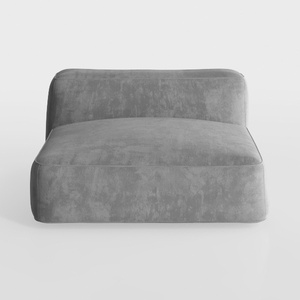
Minimalist Gray Fabric Armless Chair 3D Model
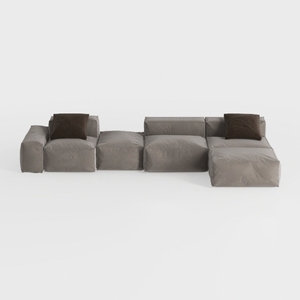
Minimalist Fabric L Shaped Modular Sectional Sofa 3D Model


Modern Lime Green Fabric Loveseat Sofa with Throw Pillows 3D Model
Homestyler is your go-to online platform for effortless home design. Enjoy a user-friendly design tool, stunning 3D renderings, and inspiring DIY video tutorials. Whether you're starting a new project or seeking fresh ideas, Homestyler empowers you to create beautiful spaces with confidence!
Zaprojektuj teraz za darmo