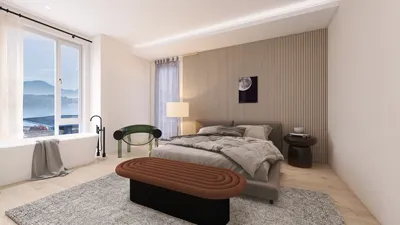


The perception of pink has transformed significantly, moving beyond just nursery decor. In my interior design projects, I utilize various shades of pink to soften rigid architectural lines, harmonize with natural light, and create a serene yet confident atmosphere. Research from the Interaction Design Foundation highlights that warm colors like pink evoke feelings of warmth and intimacy, subtly enhancing comfort and inviting interaction. Additionally, WELL v2 correlates the quality of visual environments with cognitive comfort, emphasizing that color choices affect glare management and contrast clarity, particularly within its Light (L) guidelines. Consider using a tool like Homestyler to visualize these concepts effectively in your space.
Illumination is just as crucial as color choice. Utilizing warm LED lights ranging from 2700 to 3000K allows soft shades like blush and dusty rose to feel cozy and skin-friendly, whereas 3500 to 4000K neutral whites keep coral pinks looking vibrant. I adhere to IES guidelines for ambient lighting, aiming for 300 to 500 lux in kitchens and 150 to 300 lux in living spaces. Proper brightness prevents pink shades from appearing either washed out or overly intense. Research from Steelcase reinforces that effective visual comfort boosts productivity, making balanced ambient and task lighting essential, particularly when incorporating pink in a workspace.
Identifying the right Undertone: Cool, Warm, or Neutral is essential.
I start by evaluating undertones using a large white card in daylight. Cool pinks, which have a hint of blue, work beautifully with gray limestone, satin nickel, and rooms that face north. Conversely, warm pinks like peach and coral complement oak and brass in west-facing areas. Neutral pinks, such as mauve and rose-beige, provide versatility and serve as a foundation for open-space designs, minimizing the chance of color fatigue.
Choosing the Right Room and Saturation Levels is crucial.
- For living rooms, I maintain walls with low saturation (LRV 55-70) to prevent visual fatigue, introducing brighter hues through textiles. Utilizing dimmable wall washers allows pinks to deepen at night without causing glare.
- In bedrooms, desaturated blush tones encourage calmness, especially when paired with diffused 2700K bedside lights and blackout curtains.
- In kitchens, if clients insist on pink, I recommend using it on backsplashes or appliance panels, as vibrant walls can distort food colors under 4000K task lighting.
- Bathrooms can accommodate bolder pinks; however, I balance this with high CRI 90+ LEDs to ensure true skin tones are preserved.
Balance Pink with Neutrals and Natural Materials.
Pink truly shines when grounded with other elements. I consistently pair it with textures like stone, rift-cut white oak, or limewash plaster to create depth. Ergonomically, matte finishes can minimize specular glare, which is particularly important for expansive pink walls receiving direct sunlight. Adopting a 60-30-10 ratio (base as neutral, 30% pink, and 10% accent metals or wood) ensures an orderly composition.
Effective Lighting Strategy for Pink.
- Ambient light should range from 200 to 300 lux in lounges with layered lighting sources (cove lighting plus floor lamps).
- Task lighting requires about 300 to 500 lux on work surfaces; asymmetrical task lights are beneficial to prevent hotspots and maintain the hue of pink without veering into orange.
- Accent lighting should maintain a 5 to 10:1 contrast on art or textured wall spaces to avoid a flat appearance; wall grazers can enhance the texture of plaster or fabric surfaces.
Understanding Color Psychology: Calming but Not Overwhelming.
According to Verywell Mind, pink is associated with calm and nurturing qualities. However, excessive use may render an overly sweet feel. I counterbalance this effect by incorporating structured elements—like channel-tufted upholstery or linear sconces—ensuring the environment feels refined rather than overly saccharine.
Utilizing Pink Effectively in Room Layouts.
In expansive spaces, I deploy pink as a means of visual navigation, delineating areas for conversation or reading. Before finalizing decisions, I utilize a room layout tool to confirm that pink focal walls do not clash with glare from TVs or reflections from windows.
Material Palette to Complement Pink.
- Metals such as brushed brass add warmth to blush tones, while blackened steel enhances bubblegum pinks.
- Wood options like white oak, ash, and walnut provide stable, timeless contrasts.
- Stones like Viola marble and rosy limestone can temper the sweetness of pink aesthetics.
- For textiles, materials like bouclé, wool, and linen have a matte and luxurious appearance, while overly shiny velvets should be avoided in bright, sunlit rooms to prevent undesirable shifts in color.
Ensuring Acoustic and Sensory Comfort.
Utilizing soft pink acoustic panels or draperies serves the dual purpose of introducing color while managing noise. From a psychological perspective, calming environments promote longer stays; layering rugs, fabric wall coverings, and upholstered seating in pink tones effectively absorbs mid- to high-frequency sounds in open-concept layouts.
Trends for 2024-2025: Sophisticated Pinks.
I am specifying colors such as browned rose, terracotta pink, and mauve, using earthy pigments. These shades harmoniously pair with oxidized metals and artisanal tiles. In dedicated work-from-home areas, I favor a combination of rose-beige walls alongside wood accents and a neutral task chair—prioritizing ergonomic setups over color preference.
Tactics for Small Spaces.
- Paint ceilings in a soft blush hue to create a lifting effect without enclosing the space.
- Employ color blocking techniques, such as a 42-inch wainscot of muted pink behind a sofa, to add depth and protection from scuffs.
- Position mirrors opposite pink walls to amplify warmth, but ensure they remain outside direct glare routes.
Step-by-Step to Develop a Pink Scheme.
1) Define undertones based on existing finishes. 2) Test swatches under both day and night lighting (2700K versus 3500K). 3) Assign functional roles: walls = muted tones, textiles = mid-saturation, accents = vibrant shades. 4) Validate layout sightlines and maintain balance using an interior layout planner before finalizing paint and major textile orders.
Maintaining Aesthetic and Durability.
Opt for washable matte or eggshell finishes in high-traffic areas. UV-protective shades help mitigate fading in pinks; warm pigments generally exhibit greater lightfastness than their cooler counterparts. Rotating textiles seasonally can alleviate wear while keeping the overall palette fresh without the necessity for repainting.
- The WELL v2 Light features emphasize the importance of quality illumination and glare management, crucial factors in how pink surfaces are perceived.
- IES illuminance values guide my sequential lighting choices to ensure accurate and comfortable color representation.
FAQ Section.
Q1: Which shade of pink is best suited for a room facing north?
A1: Opt for a warm undertone like peach-blush or rosy beige to counteract the cool, blue-toned daylight. Pair this with 3000K ambient lighting to retain warmth.
Q2: How can I prevent pink from appearing juvenile?
A2: Use lower saturation on walls and incorporate more structured lines through elements such as blackened metals, tailored upholstery, or structured millwork. Avoid glossy finishes and balance pink with natural stone or oak materials.
Q3: What is the ideal lighting temperature to use with pink walls?
A3: Use 2700-3000K lighting in bedrooms and lounges to enhance skin tones; 3500-4000K is ideal for kitchens or workspace areas to keep pinks crisp without distorting the colors of food or paper materials.
Q4: Can pink color choices boost focus in a home office?
A4: Soft rose-beige hues can diminish visual intensity. Combine this with 3500-4000K task lighting at 300-500 lux and matte finishes to manage glare and enhance concentration.
Q5: What materials are durable and pair well with pink?
A5: Use washable matte or eggshell paint for walls in high-use areas, choose performance-grade linen or wool-blend upholstery, and select honed stone. Matte finishes are preferable as they reduce glare while providing a refined appearance.
Q6: How can I incorporate pink in a rental property without painting?
A6: Introduce pink through draperies, area rugs, art pieces, or slipcovers. A large blush headboard or decorative screen can effectively serve as a pseudo-accent wall without altering existing paint.
Q7: Will the choice of pink influence the appearance of my skin in a bathroom setting?
A7: Indeed—using high-CRI (90+) 3000-3500K lighting ensures skin tones appear accurate. Avoid placing overly saturated pinks around mirrors; instead, use them on opposing walls or cabinetry.
Q8: How can I effectively plan for pink accent points in an open layout?
A8: Utilize a layout simulation tool to explore sightlines and movement pathways, ensuring that the pink focal wall anchors a designated area without contending with reflections from TVs or window highlights.
Q9: What constitutes a contemporary pink palette for the year 2025?
A9: Options like browned rose, mauve, terracotta pink, and muted coral paired with oxidized brass, ash wood, and artisanal tile create a modern aesthetic. Soft wall colors alongside more saturated accent tones are recommended.
Q10: How much pink is considered excessive?
A10: Limit pink to a 60-30-10 distribution: with 30% employed either on walls or textiles, you typically approach the threshold beyond which the space may feel themed. Employ neutrals and natural textures for balance.


Modern Velvet Fringe Trim 3 Seat Sofa 3D Model
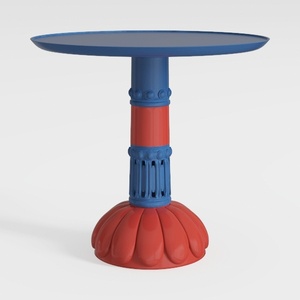
Contemporary Two Tone Decorative Round Side Table 3D Model

Pink Velvet Modern Loveseat Sofa with Gold Metal Legs 3D Model
Homestyler is your go-to online home design platform, perfect for transforming your spaces. With its user-friendly design tool, stunning 3D renderings, and rich library of DIY video tutorials, you'll be inspired to create and visualize your ideal home effortlessly. Get started today!
Concevez maintenant gratuitement
































