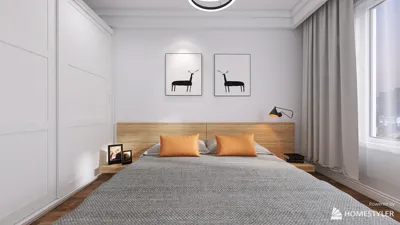


Throughout my career, I have crafted numerous homes, studios, and workspaces where the cooperation of friends or small teams turns brilliant concepts into stunning designs. Together, we can swiftly identify limitations, explore various solutions, and make choices rooted in comfort, function, and individual preferences. At the core of this collaborative journey is a shared visualization platform that allows everyone to sketch, rearrange, and provide feedback seamlessly, maintaining the flow of creativity.
Collaboration goes beyond mere social interaction; it significantly enhances results. According to research from Steelcase, teams leveraging visual tools foster greater alignment and shorten decision-making times regarding spatial adjustments—an observation I frequently witness when groups engage in co-design on a unified platform. For instance, the IES lighting guidelines suggest that task areas should achieve around 300–500 lux to ensure clarity and minimize visual strain, an essential factor to evaluate together as we design workspaces or recreational corners. Moreover, insights from color psychology are crucial; as noted by Verywell Mind, shades of blue promote calmness and concentration, while warmer hues energize the atmosphere—valuable considerations when friends deliberate on color schemes for living areas or shared studios.
Natural Co-Creation Experiences
The most effective collaborative sessions resemble engaging conversations that yield tangible results. I encourage participants to share references, jot down ideas, and manipulate furnishings directly on a common canvas. The ability to make immediate adjustments eliminates barriers—no more static documents or lengthy email exchanges. In practice, we establish guidelines: a definitive spatial purpose (such as cozy entertaining versus serene reading), comfort benchmarks (specific lighting and sound targets), and a mood board for color palettes. From there, we collaboratively refine our plans until they align with the group's daily routines.
Dynamic Layouts and Quick Prototyping
The layout forms the backbone of group design. Utilizing an interior layout planner that permits live modifications enables friends to experiment with circulation paths, seating arrangements, and storage configurations while instantly experiencing the outcomes. For instance, shifting a sectional back by two feet can enhance the sightline from the entrance, while reducing a dining table keeps walking areas within the comfortable range of 36–42 inches. This is where a room layout tool becomes an invaluable resource—facilitating rapid iterations, immediate feedback, and more informed choices.
Designed Comfort: Enhancing Lighting, Acoustics, and Human Factors
Comfort is paramount, especially in spaces shared by multiple individuals. I prioritize three key aspects: task lighting levels around 300–500 lux, warm ambient lighting (2700–3000K) in relaxation zones, and glare reduction through the use of diffusers or indirect lighting. Acoustic comfort is achieved by integrating sound-absorbing materials in reflective areas—soft rugs, upholstered furniture, and curtains—while strategically locating noisy equipment away from focus zones. For ergonomics, I recommend desk heights of approximately 28–30 inches, monitors at eye level, and adjustable seating to accommodate various activities such as gaming, studying, or crafting without discomfort.
Harnessing Color Psychology and Collaborative Mood Boards
Color choice can often be a challenge for groups due to differing personal preferences. To streamline the decision-making process, I assist teams in creating mood boards reflecting three distinct color paths: cool, warm, and neutral. Shades of blue and blue-green are ideal for focus areas, warm neutrals and muted terracottas uplift dining and social spaces, while subdued greens foster tranquility in bedrooms or creative zones. Additionally, we evaluate wall colors through renderings captured at various times of the day to observe how natural light modifies the perceived color tones.
Achieving Spatial Harmony: Ratios, Rhythm, and Flow
Our objective is to attain harmonious proportions encompassing the relationship between seating and table sizes, walkway dimensions relative to furniture depth, and vertical rhythm reflected through lighting and artwork placement. A straightforward principle I advocate is to anchor a standout piece (like a sofa, table, or shelving unit) and then scale additional elements to 60–80% of its visual weight to ensure consistency. In compact spaces, vertical storage options preserve sightlines, allowing for a more open floor plan. In expansive living areas, establishing zones using rugs and pendant lighting, rather than walls, ensures traffic flow is conducive to gatherings.
Sustainable Material Choices Through Collaboration
Collaborative design initiatives present an opportunity to align on values regarding sustainability. We prioritize materials that are transparently sourced, feature durable finishes, and demand minimal upkeep. Options like low-VOC paints, FSC-certified woods, and textiles with high durability contribute to healthier, long-lasting environments. Friends often recognize the importance of life-cycle assessments when we contrast short-lived, inexpensive items with more resilient options that maintain their appeal over several years.
Design for Behavior: Understanding How Friends Utilize Spaces
Before positioning any furniture, I analyze behavioral patterns. Who often hosts gatherings? Who prefers quiet areas? Do certain hobbies necessitate hidden storage solutions? We create layered zones: social, focus, and flexible. Social spaces incorporate forgiving seating and dimmable warm lighting; focus areas prioritize clear task lighting, ergonomic arrangements, and sound dampening; flexible areas allow for tool storage and can be easily tucked away when not in use. Testing these arrangements live with friends uncovers potential friction points early on.
Collaborative Workflows Utilizing Homestyler
We commence with a well-measured design plan and establish mutual goals concerning ambience, functionality, and budget. Subsequently, we generate a preliminary layout that includes major furniture placements, lighting configurations, and storage solutions. Participants can comment directly on the model and explore alternative arrangements. We reassess comfort objectives—light intensity, acoustic elements, ergonomic standards—and make necessary adjustments. The final review focuses on material selections and color choices, validating renderings under morning, afternoon, and evening lighting to ensure the desired mood and minimize glare.
Emerging Trends for 2024–2025 to Explore Collectively
Two prominent trends shaping co-designed interiors are the integration of soft technology and a nature-inspired tranquility. Features like concealed charging stations, organized cable management, and warm, adjustable LED lighting enhance multitasking capabilities. Layered neutral tones paired with natural elements such as wood, textured plaster, and greenery contribute to a calming aesthetic. Additionally, modular seating provides versatility for movie nights or workshops, while compact homes benefit from foldable tables and slim bookshelves that maintain functionality without creating clutter.
Transforming Vision into Livable Reality
Effective collaboration translates personal preferences into cohesive designs. When friends can visualize options in real time, agree on comfort standards, and make informed decisions, the space aligns with their needs from the outset. Utilizing a shared platform for layout and visualization, such as Homestyler, facilitates a smooth process that ensures the outcome remains adaptable to evolving lifestyles.
FAQs
To establish comfortable task zones, maintain lighting levels between 300–500 lux as per IES recommendations, utilize warmer ambient lighting (2700–3000K) for relaxation, and include dimmers to allow individuals to adjust the brightness for various activities.
Aim for 36–42 inches of clearance whenever feasible to facilitate comfortable movement around seating and dining arrangements. Test these dimensions using a layout simulation tool prior to finalizing your plans.
Achieve a balance by incorporating absorptive materials (like rugs, curtains, and upholstered seating) with diffusive elements (such as bookcases and textured walls). Isolate noisy equipment from quiet zones and position soft materials at initial reflection points to enhance acoustic comfort.
Design three mood boards representing cool, warm, and neutral tones, and try them out in renderings at different times of the day. Shades of blue are effective for boosting concentration, warm neutrals energize social spaces, and greens bring a sense of calm to bedrooms.
Ensure ergonomic comfort with features like adjustable chairs, desk heights ranging from 28 to 30 inches, positioned monitors at eye level, and utilizing footrests as needed. Additionally, minimize glare from task lighting and orient screens perpendicular to windows.
Opt for vertical storage solutions, including under-sofa or bench storage options, and specify closed units for hobby supplies. Keeping floors clear promotes sightlines and contributes to visual harmony.
Absolutely—differentiate between micro-zones. Social areas should feature warm, dimmable lighting paired with adaptable seating; focus zones benefit from cooler task lighting, acoustic treatment, and ergonomic desk setups.
Establish a shared goal, agree on comfort parameters, and utilize real-time iterations on a design visualization platform such as Homestyler. Conduct timed reviews and use comments to capture trade-offs, streamlining communication and decision-making.
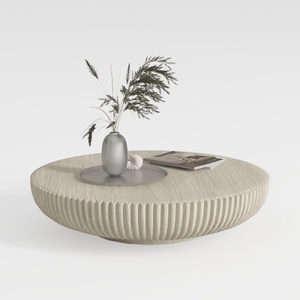


Minimalist Black Stone Coffee Table Unique Irregular Shape 3D Model

Minimalist Solid Oak Round Coffee Table 3D Model
Looking for a user-friendly home design platform? Homestyler is your answer! With its powerful online design tool and impressive 3D rendering features, you can easily create stunning interiors. Plus, explore DIY video tutorials and a plethora of design projects to inspire your next home makeover!
立即免费设计
































