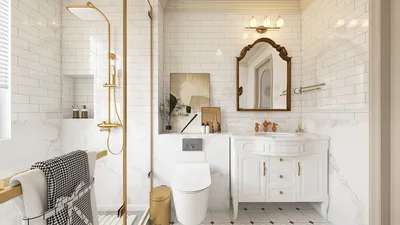


I once had a client who envisioned their new apartment as a Tuscan villa, yet the space was a mere 45 square meters filled with bright white subway tiles. Although I almost recommended relocating to Italy, I adapted and learned how to transform grand rustic concepts into practical designs for small areas. Small spaces necessitate innovative solutions, and the Tuscan aesthetic provides a perfect challenge with its warm textures, aged finishes, and earthy color schemes that can make a cozy living area feel expansive.
1. Incorporate warm plaster walls
One of my favorite techniques is replacing flat white surfaces with a warm plaster finish or paint resembling limewash. This approach instantly introduces depth and an old-world appeal without the expense of genuine stucco. While this technique creates a rich, inviting atmosphere, be cautious, as it may darken a small room; balance it out with lighter upholstery and reflective decor. For quick visualizations, I often use a room planner like Homestyler to try out different tones before finalizing any decisions.
save pin
2. Combine natural stone and wood elements
I enjoy pairing reclaimed wood coffee tables with stone or travertine fireplace surrounds. The wood adds warmth and texture, while the stone offers authenticity. However, the challenge is that natural materials can feel heavy, so I counterbalance them with sleek sofas and open shelving to maintain clear sightlines. If you're experimenting with layouts, using a free floor plan creator can be beneficial to ensure the fireplace and seating arrangement work well in compact spaces.
save pin
3. Use terra cotta and muted tile details
Incorporating small elements of terra cotta — such as a glazed vase, floor tiles, or a patterned rug — infuses the room with unmistakable Tuscan charm. These accents are cost-effective and easy to rearrange if you want to test their impact. However, be careful since bold tile patterns can overwhelm smaller spaces; use them sparingly as focal points or borders. To visualize tile placements effectively, using a kitchen layout planner like Homestyler can help maintain consistent tile styles throughout connected areas.
save pin
4. Layer textiles and use aged leather
Incorporating layered linens, wool throws, and a vintage leather armchair fosters a cozy and inviting ambiance that’s characteristic of Tuscan design. These textiles can soften a space and enhance warmth without making permanent alterations. Keep in mind, though, that lighter linens are prone to stains, so I recommend using performance fabrics in homes with heavy foot traffic. A well-curated selection of cushions can convey the style more effectively than expensive furnishings.
save pin
5. Integrate ironwork and artisan lighting
Wrought-iron accents, ranging from chandeliers to rustic shelving brackets, provide artisanal charm reminiscent of old-world style. These small details can have a significant impact on your design. However, overloading a space with dark metal can create a cramped atmosphere; it's wise to add iron accents thoughtfully and mix in brass or aged copper for contrast. Proper lighting layers (ambient, task, and accent) ensure the room remains welcoming regardless of the time of day.
save pin
FAQ
Q: What paint colors work best to capture a Tuscan vibe in small living spaces?
A: Warm neutrals such as golden beige, ochre, soft terracotta, and olive shades are ideal. It's beneficial to test samples in varying lighting throughout the day.
Q: Can Tuscan decor be adapted to modern apartments?
A: Definitely! Combining contemporary silhouettes with rustic finishes results in a timeless, cozy blend that honors both styles.
Q: What strategies can I use to avoid making a small room feel overwhelmed by Tuscan materials?
A: Balancing stone and wood with light-colored upholstery, mirrors, and strategic lighting can help maintain an open feel in your space.
Q: How effective are faux finishes for achieving a Tuscan wall texture?
A: High-quality limewash or faux-plaster finishes can convincingly mimic authentic textures and are often a cost-effective alternative to traditional stucco.
Q: What flooring options are most authentic for a Tuscan living area?
A: Terracotta or natural stone are classic choices; warm-toned wood also offers an authentic appearance while being practical for everyday living.
Q: What care is needed for leather and linen in a Tuscan-themed space?
A: Regular conditioning for leather and gentle laundering of linens with color-safe detergents will help maintain their patina and texture over time.
Q: Is hiring a designer beneficial for a small Tuscan remodel?
A: A professional can help you avoid costly missteps and optimize your layout; even simple consultations can provide considerable value. I frequently recommend a 3D floor planner like Homestyler to clients who want to visualize their design changes.
Q: Where can I find reliable information on historic Tuscan materials?
A: For in-depth historical insights and material references, the Getty Conservation Institute offers extensive resources on traditional plaster and stone preservation, making it a credible source for understanding material properties and techniques.
save pin
Homestyler is your go-to online home design platform! With its user-friendly design tool, stunning 3D renderings, and a wealth of DIY video tutorials, you can effortlessly create and visualize your dream space. Transform your ideas into reality with Homestyler today!
立即免费设计
































