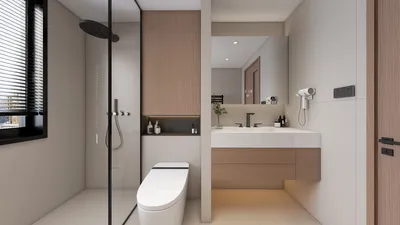


A client of mine once insisted on placing heavy curtains over an exquisite bay window due to concerns about privacy, believing that "guests might peek in." Watching the natural light disappear, I reflected on how small rooms with substantial windows often either go unnoticed or turn into the highlight of a home. That experience made it clear to me that designing around windows is essential from the start, as they are the point where light, views, and functionality converge. Below are five design ideas I frequently utilize to transform that tricky combination into a clever and cozy setup, often using tools like Homestyler for visualization.
1. Maintain low sightlines to frame the view
Utilizing low-profile seating options such as benches or shallow sofas helps preserve the window's visual access and keeps the room feeling spacious. Additionally, I like to incorporate a slim ledge or floating shelf underneath the window; this allows for decorative touches without obstructing light, creating an elegant and cost-effective solution.
save pin
2. Leverage reflective surfaces to enhance daylight
By placing a mirror opposite the window, you can significantly increase brightness and create a sense of depth in the room. It's important to choose minimalist frames; a sleek mirror or mirrored cabinet can amplify light effectively, but be mindful of potential fingerprints — opting for finishes that are easy to maintain is ideal.
save pin
3. Creating zones without walls: using rugs, furniture, and curtains
In a compact living area, I like to subtly define spaces: using a rug for the seating area, a slender console for media, and curtains to delineate areas as needed. To visualize your arrangement before making decisions, I suggest using a 3D design tool like Homestyler; it can prevent costly mistakes from trial and error.
save pin
4. Incorporating built-in window seating with concealed storage
Window benches are my preferred choice in tighter spaces, as they provide both seating and storage below. While the cost of carpentry can be a factor, I often design modular, DIY-friendly alternatives that mimic built-in features at a fraction of the cost.
save pin
5. Emphasizing vertical features and slim-profile furnishings
When floor space is limited, look to the vertical dimension: tall, narrow shelves, vertical gardens, or a well-placed gallery of art can draw the eye upward, balancing the horizontal span of a wide window. I frequently rearrange furniture layouts to optimize space; even small adjustments can greatly enhance flow and sightlines, so I advocate for experimenting before purchasing larger pieces.
save pin
Tips 1:
Budget-friendly advice: Begin with paint, curtains, and a mirror — these three elements can yield noticeable improvements at a low cost. If you're planning to invest, focus on built-ins around your windows or custom seating that also serves as storage for the best return on investment.
save pin
FAQ
Q1: How can I make my small living room appear larger with big windows?
I advise keeping furniture low, opting for lighter colors, and placing a mirror across from the window to reflect light and enhance the visual space.
Q2: Should I choose curtains or blinds for a large window?
Both options are valid — curtains soften and frame the window while blinds provide clean sightlines and better control over light. Combining these solutions can offer flexibility but may come at a higher cost.
Q3: Is it worth investing in built-in seating?
Absolutely, especially if you need combined seating and storage. It enhances usable space and increases resale attractiveness, even if initial carpentry costs exceed those of freestanding options.
Q4: How do plants influence a small living room with large windows?
Plants bring life and dimension; selecting vertical or hanging options can prevent floor crowding. They also contribute positively to air quality and your overall mood.
Q5: Can I use mirrors without making the room feel like a showroom?
Yes — if placed thoughtfully and combined with textured fabrics and personal touches, mirrors can keep your space warm and inviting as opposed to feeling like a display.
Q6: What additional lighting should I consider besides natural light from the window?
Layered lighting is the best approach: include a warm overhead light, task lamps for reading, and accent lights to highlight artwork. Adding dimmers can significantly enhance functionality without extensive costs.
Q7: Do windows affect my heating efficiency?
Large windows can influence thermal performance; employing double-glazed options and insulating curtains is beneficial. The U.S. Department of Energy suggests that well-insulated windows and coverings minimize heat loss and conserve energy.
Q8: How do I select the right rug size for a small living room?
Choose a rug that anchors at least the front legs of your main seating pieces; a rug that is too small can fragment the area. Measuring and marking the space before purchase ensures appropriate scale and flow.
save pin
Homestyler is an outstanding online home design platform that empowers you to create stunning spaces with ease. Utilize its intuitive design tool, explore a vast array of 3D renderings, and gain inspiration from DIY video tutorials. Transform your home design dreams into reality today!
تصميم الآن مجانا
































