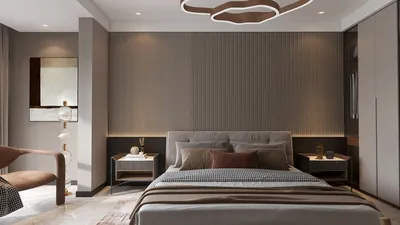


My journey in design began with compact urban apartments and heritage bungalows throughout Maharashtra, emphasizing the significance of the hall as both a living area and a hub for hospitality. In such limited spaces, every square inch is valuable. My design philosophy harmoniously brings together spatial clarity and cultural elements—like dedicated paath/pooja corners and circulation for aarthi—and modern comforts, transforming a small hall into a generous space that retains its Marathi identity.
Effective space planning is crucial. Research from Steelcase indicates that optimizing adjacency and ensuring clear circulation can enhance perceived spatial efficiency and alleviate the cognitive burden caused by visual clutter, a key concern in small homes. Proper lighting is equally important; the Illuminating Engineering Society (IES) suggests a brightness level of 150–300 lux for general living spaces, rising to 500 lux for tasks like reading, knitting, or studying in the living area. These lighting metrics ensure your hall remains bright for daily use while avoiding glare.
Color selection should be deliberate. An analysis by VerywellMind reveals that warm neutrals and soft yellows often create a welcoming ambiance, whereas cool tones can recede walls, giving an illusion of spaciousness. In Marathi residences, earthy off-whites combined with indigo or moss accents reflect Warli art tones or Paithani designs, infusing cultural warmth while maintaining visual tranquility. Opt for low-sheen finishes that prevent severe reflections.
Light First: Daylight, Layering, and Glare Control
To add dimension to small halls, I focus on layered lighting strategies. My goal is to include three types: ambient lighting (from ceiling or wall fixtures), task lighting (like reading lamps beside the diwan or lounge chair), and accent lighting (such as niche lights over pooja areas). A warm color temperature of 2700–3000K is ideal for evening relaxation, and using diffusing blinds near windows mitigates glare during peak sunlight, particularly in west-facing living spaces. Devices like photo-sensors and dimmers allow for light modulation throughout various times of the day, maintaining energy efficiency while ensuring comfort. The WELL v2 standards offer guidance aligning visual comfort with circadian wellness.
Versatile Seating Solutions
In the compact halls typical of Marathi homes, seating must serve multiple functions—ranging from casual tea time to festive gatherings and overnight guests. I recommend opting for a sleek two-seater paired with a diwan that features under-storage to avoid bulkiness from large sectionals. A clear pathway of 900–1000 mm around seating facilitates smooth movement for aarthi or serving. Consider incorporating nesting stools or a folding patya-paat to provide extra seating without overwhelming visual space. If you wish to explore different seating layouts before purchasing furniture, utilizing a layout simulation tool such as Homestyler can help visualize traffic patterns and hosting scenarios.
Furniture Proportions and Arrangement
Furniture proportions greatly affect the sense of space. Aim for a sofa depth around 850–900 mm, keeping coffee tables under 600 mm in diameter for tighter spaces, while ensuring side tables align with or fall below the armrest height for an uninterrupted sightline. Consistency in aligning furniture edges parallel to the longest wall establishes a visual rhythm. Utilizing a rug that reveals 200–300 mm of flooring enhances the feeling of openness. In long, narrow hallways frequently encountered in older apartment buildings, anchoring one end with a slender console and art, while balancing the other end with a reading chair, can help avoid a tunnel-like perception.
Discreet Storage Solutions
Clutter hampers the ambiance in small spaces. Integrate storage within furniture like the diwan, media console, and even the bay window if available. Employ tambour doors or fluted shutters to conceal everyday items—like remote controls, prayer books, and board games—without requiring much clearance. For pooja arrangements, a compact wall-mounted mandir with hidden drawers keeps items like agarbatti, matchbox, and kumkum out of sight but easily reachable. Avoid tall furniture near entries, as it diminishes the welcoming atmosphere.
Color and Material Choices
Homes in Maharashtra exude beauty through mineral tones, such as limewash whites, clay beiges, and accents in indigo, chili red, or turmeric gold that acknowledge cultural heritage. It’s best to approach accent walls judiciously—favoring textured plaster or woven cane designs over bold paint colors. Materials like cane, sheesham, and locally sourced kota or ceramic tiles offer tactile richness and resilience. Pair breathable textiles like cotton or chanderi drapes with blackout liners for west-facing windows to control heat and light. Warm metal tones such as brass or brushed bronze hardware provide a timeless aesthetic.
Harmonizing Tradition with Modern Layouts
Pooja spaces should reflect respect without overpowering the hall's ambiance. A recessed section with soft 2700K lighting and brass bell hook contributes to a tranquil atmosphere. During Ganesh Chaturthi or Diwali, maintain a flexible area of 1200 mm near the entry or window for temporary decorations and aarthi activities. If the hall functions as a dining area, position a compact four-seater against the wall with drop-down leaves and ensure a 900 mm clearance to the kitchen door to facilitate service. When organizing furniture and rituals, an interior layout planner can effectively visualize daily and festive arrangements, including tools like Homestyler for enhanced planning.
Enhancing Acoustic Comfort
In smaller halls, sound can quickly amplify. Introducing soft materials—such as rugs, upholstered seating, and lined drapes—can mitigate echo. If your television is adjacent to the bedroom, consider installing cork or felt panels behind the media unit. Keep speakers out of corners to minimize booming effects; slightly angling them can direct sound towards the seating area rather than filling the entire room. In high-ceiling bungalows, employing a simple coffer or slatted acoustic panels can absorb sound without adding visual weight.
Planning for Lighting and Power Needs
Anticipate the need for electrical outlets by situating them for versatile uses: consider floor outlets near the reading chair, USB ports by the sofa arm, and a dedicated supply for pooja lighting. Install dimmable sconces flanking pieces of art at a height of 1500–1650 mm to avert glare at eye level. Implement two lighting circuits—one for ambient light and another for accent—to create intimate evenings, even in a compact space.
Creating Space for Movement and Visual Balance
Incorporate negative space to enhance flow. A simple bench by the entry with shoe storage, a narrow wall mirror, and a key tray can facilitate organization without cluttering the hall. Ensure sightlines to windows remain unobstructed; using low media consoles can aid in this. Where feasible, position the sofa slightly off the wall to cultivate depth; even a few centimeters can prevent a cramped appearance.
Curated Styling: Art, Textiles, and Ritual Items
Focus on curation instead of overcrowding. A single Warli painting, a framed Paithani textile, and a brass urli adorned with seasonal flowers convey much more than a cluttered display. Limit cushions to an odd number for a natural feel. Use tray systems to arrange small decorative items, ensuring surfaces can be quickly cleared for guests. Set incense holders on heat-resistant coasters to preserve finishes.
Embracing Sustainability and Ease of Maintenance
Opt for low-VOC paints and resilient, repairable materials. Cane and solid wood age beautifully and allow for refinishing. Utilize LED lighting with a CRI above 90 to maintain color fidelity and cut energy expenses. Ensure proper ventilation; employing a cross-breeze along with ceiling fans enhances comfort before switching on the AC. Homes near the coast in Maharashtra benefit from rust-resistant hardware and moisture-resistant finishes.
Innovative Small-Space Enhancements
• A wall-mounted fold-out desk can double as a workspace for children.
• Sleek ceiling fans with integrated lighting optimize headroom.
• Mirror strips opposite windows reflect light while maintaining clarity—use narrow configurations.
• Plants in low, wide containers near windows add greenery without encroaching on the floor space.
• Modular poufs can be neatly tucked under a console when not in use.
Defining Room Zones Without Walls
Create micro-zones with lighting and rugs rather than physical barriers. A warm light zone can indicate a reading area, while a flat-weave rug frames the seating arrangement. A console-backed sofa can subtly distinguish between dining and living when space is limited. Experiment with different setups using room design visualization tools before finalizing carpentry solutions— Homestyler is a useful option for this.
Comfort Recommendations Based on Data
• Target ambient lighting levels of 150–300 lux in living areas, with task lighting at about 500 lux for reading activities (as recommended by IES).
• For nighttime, maintain color temperatures of 2700–3000K; during the day, consider 3500–4000K for a sharper feel.
• Maintain a clearance of 900–1000 mm in circulation paths to enhance safety and promote hosting dynamics, as observed in Steelcase workplace behavior studies.
Quick Reference: Essential Checklist for a Small Marathi Hall
• Designate one quiet wall: choose off-white with a textured finish.
• Select a diwan with storage capabilities; steer clear of reclining sofas.
• Implement three layers of lighting, two circuits, and install dimmers throughout.
• Create a pooja niche with concealed drawers and soft backlighting.
• For rugs, ensure a reveal of 200–300 mm at the peripheries.
• Incorporate narrow mirror strips near windows instead of large wall mirrors.
• Conceal cables and strategically plan outlet placements and charging stations.
• Utilize decorative trays for quick surface clear-outs when visitors arrive.
Frequently Asked Questions
Q1: What lighting levels are recommended for a small hall?
A1: Aim for ambient illumination of 150–300 lux (according to IES), adding 500 lux for focused tasks like reading. Utilize a color temperature around 2700–3000K for evening comfort.
Q2: Which colors create an illusion of space in a compact Marathi hall?
A2: Use warm off-whites and light mineral beiges for walls, contrasted with cool accents like indigo or moss. Research into color psychology indicates that lighter, less saturated colors visually expand spaces.
Q3: What are the ideal dimensions for sofas and tables in smaller rooms?
A3: Aim for sofas with depths of 850–900 mm and coffee tables less than 600 mm in diameter. Ensure a circulation area of 900–1000 mm for comfortable movement around seating.
Q4: How can I incorporate a pooja corner without overcrowding?
A4: Consider a wall-mounted mandir or a recessed niche equipped with warm backlighting and concealed storage. Ensure it's positioned away from the main traffic areas, preserving space for rituals.
Q5: How do I minimize echo in a small hall?
A5: Employ layered materials—rugs, upholstered seating, lined curtains, and soft wall panels. Steer clear of continuous, hard surfaces; intersperse them with textiles or slatted wood to dampen sound.
Q6: What materials strike a balance between tradition and lasting quality?
A6: Opt for cane, sheesham wood, brass accents, and breathable cottons or chanderi for soft furnishings. Look for low-VOC paints and LED lighting with a CRI above 90 for accurate color representation.
Q7: Any guidelines for mixed-use living-dining spaces?
A7: Position the dining table against a wall with fold-down leaves, maintain at least a 900 mm aisle width, and utilize a console-backed sofa to create zones without erecting walls.
Q8: How can I keep my hall organized with limited storage?
A8: Incorporate storage solutions into furniture like the diwan and media console, choose tambour or fluted shutter options, and utilize trays to group smaller items, enabling quick resets.
Q9: What smart upgrades improve everyday functionality?
A9: Implement dimmers for all circuits, install nearby floor outlets, use modular poufs, arrange mirror strips to reflect light, and consider a fold-out wall desk for additional workspace.
Q10: Any advice for maintaining comfort in west-facing Marathi homes exposed to strong sunlight?
A10: Implement dual-layer drapes—sheer for light diffusion and blackout for afternoon heat—while employing a color temperature of 2700K for nighttime lighting. For large windows, reflective films may provide additional insulation.

Minimalist Solid Wood And White Accent Cabinet With Drawers 3D Model
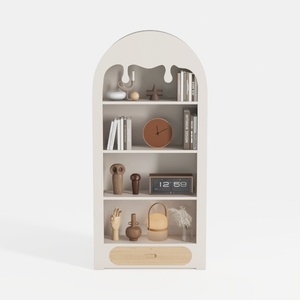
Minimalist Japandi Arched Solid Wood Bookshelf 3D Model

Art Deco Two Tone Solid Wood Accent Cabinet 3D Model
Homestyler is the ultimate tool for anyone looking to design their dream space. With its easy-to-use online design platform, stunning 3D renderings, and a treasure trove of DIY video tutorials, you can effortlessly transform your ideas into reality. Start your home design journey today!
Design jetzt kostenlos
































