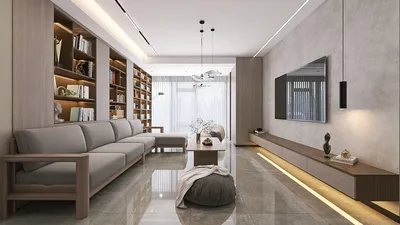


In my experience designing compact apartments across cities like Mumbai and Bengaluru, I’ve often turned living rooms into multifunctional spaces that serve as lounges, guest areas, and dining spots. Transforming a small Indian living room into a spacious haven relies heavily on meticulous planning, layered lighting, tactile materials, and cleverly concealed storage solutions. According to Gensler’s 2023 research on space optimization, environments that balance functionality and comfort lead to increased user satisfaction—an insight I've acknowledged while working in 300 to 450 sq ft spaces, where every inch is of utmost importance. Steelcase's findings also highlight that user choice, such as movable seating and adjustable lighting, significantly contributes to improved well-being and productivity, which beautifully applies to living areas that serve multiple purposes.
Lighting plays a crucial role in enhancing small spaces. The IES guidelines for residential setups suggest that task lighting should achieve desired brightness while minimizing glare, particularly in spaces where TV watching, reading, and dining happen simultaneously. WELL v2 further emphasizes glare reduction and layered luminance to alleviate eye strain. I focus on achieving a baseline ambient light level of a warm-neutral 2700 to 3000K for comfort during evening hours, and then I introduce 3500 to 4000K task lighting where activities like reading or crafting occur. This combination maintains vibrant colors—essential for showcasing Indian textiles—while preventing visual fatigue.
Ergonomics are pivotal in my designs. Research from Herman Miller indicates that varying postures improve long-term comfort, which I incorporate by selecting a compact sofa (32 to 34 inches deep), a single swivel accent chair, and either a pouf or a bench that can be tucked under a console. It’s crucial to keep pathways clear with a minimum clearance of 750 to 900 mm from the entryway to the seating area. When I’m working on layouts for narrow hallways or irregular columns, I utilize a room layout tool like Homestyler’s interior planner to ensure proportions and sightlines are accurate before finalizing any purchases.
Begin with the Footprint
Start by creating a scaled layout. Take note of door swings, window placements, and any alcoves for a mandir, storage, or air conditioning. Strive for a 60:40 ratio of negative to positive space in your main movement areas to maintain an airy feel. If possible, float the sofa about 100 to 150 mm away from the wall, as this small gap creates an illusion of depth, particularly when paired with a narrow console for keys and trays behind it.
For rooms measuring 8 to 10 feet in width, opt for a two-seater or apartment sofa (68 to 72 inches) with slender arms. In rental properties, modular two-piece sofas provide the flexibility needed for adjusting layouts during gatherings. Corner sofas are only beneficial if both ends are functional; otherwise, I recommend a straight sofa with an additional light chair that can be oriented toward guests or the television.
Storage Solutions that Blend In
In Indian living rooms, it's common to find holiday decorations, bedding for guests, board games, and the ever-present remote controls cluttering the space. Opt for coffee tables with lift-top storage, media consoles featuring fluted doors to conceal set-top boxes and routers, and upholstered benches with hidden compartments for linens. A single ledge, 9 to 12 inches deep and 42 to 48 inches high, can run along one wall to display artwork and family photos clutter-free; it also provides a route for cable management.
For older apartments with deep beams, consider recessing shallow cabinets between columns and finishing them in the same color as the wall to create a seamless appearance. And for homes with a mandir, think about a foldable unit featuring lattice doors for proper ventilation of diya heat and easy concealment post-puja.
Optimizing Colors and Materials for Small Living Rooms
Warm neutrals—such as oatmeal, sand, and light taupe—serve as an ideal backdrop for vibrant cushions and throws. According to insights from Verywell Mind on color psychology, warmer shades create an inviting and lively atmosphere, while cooler tones induce calmness; I achieve a balance by keeping larger surfaces in warm neutrals and introducing saturated colors like indigo, marigold, and terracotta in about 20 to 30% of the overall color scheme. High-reflectance whites can create harsh glares in Indian sunlight, so it’s wiser to select off-white shades with a light reflectance value (LRV) around 70 to 80 for a softer appearance.
Material selection plays a vital role in acoustics. A cotton dhurrie, woven jute loop, or a low-pile wool rug (at least 160 x 230 cm) effectively absorbs sound in hard-floored apartments. Adding fabric-lined curtains and a couple of upholstered pieces helps create a comfortable acoustic environment without making the room feel lifeless. For densely populated, humid cities, it’s best to use performance fabrics with tight weaves that resist mildew and allow for easy cleaning post-monsoon.
Creating a Flattering and Functional Lighting Layer
For small interiors, relying solely on a single ceiling fixture is a mistake. I advocate for three types of lighting: ambient (ceiling-mounted or cove), task (such as swing-arm wall lamps and table lamps rated at 400 to 600 lumens), and accent (including picture lights and floor grazers). It's essential to maintain a consistent color temperature within ±300K per zone to prevent discordance. To reduce glare on shiny floors or screens, place lamps strategically to the side and opt for matte or fabric shades.
For lower ceilings (commonly between 8.5 to 9 feet), opt for shallow-profile lighting fixtures and paint the ceiling 1 to 2 shades lighter than the walls. Incorporating dimmer controls is non-negotiable; they enable the room to effortlessly transition from work mode to cozy movie nights without drastic lighting adjustments.
Layout Suggestions for Indian Homes
– Position the TV against the shortest wall to maximize viewing distance, ideally maintaining a distance of 1.5 to 2.5 times the screen height for optimal comfort.
– Align the sofa to take advantage of cross-ventilation; in many residences, the primary window and kitchen passage create a breezy corridor.
– In a 10 x 12 ft space, a 6 ft sofa, a 24 inch round nesting table, and a 28 to 30 inch wide accent chair will ensure clear circulation.
– If the main door opens directly into the living room, incorporate a slim shoe cabinet and a wall-mounted mirror opposite to bounce light and create a transition before reaching the seating area.
– For versatile hosting, keep a pair of lightweight ottomans that can be tucked beneath a console; they can easily be pulled out for celebrations or game nights.
Employing layout simulation tools is invaluable for testing door clearance and rug sizing without guesswork. I frequently draft two or three variations using a room design visualization tool before making final decisions about legroom and sightlines to the TV and windows.
Indian Décor: Layered Yet Cohesive
India’s rich craftsmanship can be a boon in small spaces if curated tastefully. A standout piece—whether it’s Madhubani artwork, a block-printed throw, or a decorative brass urli—can embody cultural identity beautifully. Limit patterns to 2 or 3 types (geometrics, florals, stripes) and achieve balance by pairing small-scale cushion motifs with a bold rug or singular large artwork to avoid overwhelming the senses.
Mirrors can enhance light; framing them in dark wood or brass adds grounding effects. Vertical elements, like tall plants such as fiddle-leaf figs or areca palms, draw the eye upward, enhancing the perception of space. In extremely small areas, wall-mounted shelves in teak finishes can accommodate books and pots without encroaching on floor space.
Balancing Vastu, Practicality, and Comfort
For those adhering to Vastu principles, positioning the TV in the southeast and seating in the southwest can be beneficial; however, do not confine your design flow for the sake of tradition. Prioritize comfort and safety by ensuring seat heights between 450 to 500 mm, rounded corners near passageways, and non-slip pads beneath rugs, particularly in homes with elderly individuals and children.
Smart Upgrades on a Budget
– Trade out heavy drapery rods for ceiling-mounted tracks, creating a visually lifted ceiling effect.
– Select a neutral sofa and rotate cushion covers seasonally—try ikat in summer and plush velvet in winter.
– Use peel-and-stick wall panels behind the TV for added texture without heavy installation.
– Opt for compact nesting tables; these can be expanded for guests and quickly tucked away afterward.
Sustainable Choices for Small Spaces
In small rooms, the quality of materials becomes even more significant. Whenever possible, select FSC-certified wood, low-VOC paints, and natural fibers like cotton, linen, and wool. In hot and humid climates, efficient ceiling fans can reduce air conditioning usage, while layered window treatments (combining sheers with blackout options) can diminish heat gain and glare.
Actual Case Studies of Micro-Layouts
– For a 9 x 10 ft hall: Place a 68 inch sofa against the longer wall, a wall-mounted shelf at a height of 48 inches, a 24 inch round ottoman-table, and a couple of wall sconces to free up floor space.
– In a 10 x 12 ft hall where dining is involved: Include a 72 inch sofa, a 36 inch drop-leaf wall-mounted table opposite with two stackable chairs, and a slim console behind the sofa for additional storage.
– For a studio with a galley kitchen: Incorporate a 60 inch loveseat, a 5 ft storage wall bench, and mount a projector from the ceiling to save wall space usually reserved for a TV.
Two Key Research Findings to Remember
– Layering and controlling light effectively reduces glare and eye fatigue, aligning with both IES and WELL recommendations.
– Providing flexible seating options and creating micro-zones enhance comfort and satisfaction, supported by insights from Steelcase and Herman Miller concerning choice and posture.
Frequently Asked Questions
Q1: What is the ideal color temperature for a small Indian living room?
A1: Target a warm-neutral range of 2700 to 3000K for ambient lighting and 3500 to 4000K for task lighting. Ensure consistency within ±300K per zone to maintain a cohesive look.
Q2: How can I accommodate seating for five in a 10 x 12 ft space?
A2: Use a 72 inch sofa that seats three, add a swivel accent chair, and include two lightweight ottomans that tuck under a console. Only pull them out for hosting to maintain clear daily circulation.
Q3: What is the recommended rug size for small living rooms?
A3: Generally, a size of 160 x 230 cm (5'3" x 7'6") is suitable. At a minimum, ensure that at least the front legs of sofas and chairs rest on the rug to unify the space visually.
Q4: Is it possible to mount the TV above a console in a narrow room?
A4: Yes, as long as the center of the screen is about 42 to 48 inches from the floor for comfortable viewing. Select a shallow console (12 to 14 inches) and conceal cables behind it for a tidy appearance.
Q5: What steps can I take to minimize echo in hard-floored apartments?
A5: Incorporate a fabric rug, lined drapes, and 1 to 2 upholstered items. Bookshelves and plants can also disrupt sound reflections. Avoid using all-glass or all-stone surfaces in a single plane.
Q6: What sofa depth works best for comfort without overwhelming a small space?
A6: Seek sofas with an overall depth of 32 to 34 inches and slimmer arms. A seat height between 17.5 to 19.5 inches tends to be suitable for most users, ensuring comfort during conversations and while watching TV.
Q7: How can I create a temporary feature wall for a rental?
A7: Utilize peel-and-stick fabric wallpaper or acoustic felt panels behind the TV. Implement picture ledges with command mounts for art, and layer table lamps to set a mood without the need for electrical modifications.
Q8: Are sectionals ever advisable in a small hall?
A8: Only if both ends are also usable. In narrow areas, a straight sofa paired with a swivel chair provides more versatility and improved circulation.
Q9: What is the recommended clearance around furniture?
A9: Ensure a minimum of 750 to 900 mm for main pathways. Leave about 350 to 450 mm between the sofa and coffee table so legs have enough room, facilitating comfortable access.
Q10: How do I incorporate cultural décor without making the space feel cluttered?
A10: Select one standout craft piece—such as a Kalamkari artwork or a brass accent—and reflect its color palette in 2 to 3 smaller elements. Maintain neutral backgrounds and repeat materials (like wood or brass) for cohesiveness.
Q11: Can ceiling fans be integrated with a layered lighting setup?
A11: Certainly. Choose low-profile ceiling fans and perimeter lighting (such as wall lamps and cove lights) to avoid visual disturbances. Ensure downlights are placed away from moving blades.
Q12: What sustainable options make the most significant difference?
A12: Opt for low-VOC paints, textiles made from natural fibers, wood certified by FSC, and energy-efficient fans. Layered drapery can help reduce heat gains significantly, minimizing air conditioning needs during summer months.
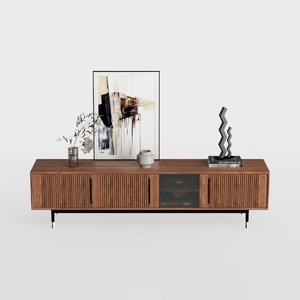


Modern Minimalist Fabric U Shaped Sectional Sofa 3D Model

Round Wood Coffee Table - 29.53" Wooden Coffee
Discover your dream home design with Homestyler! This user-friendly platform offers an intuitive online design tool, stunning 3D renderings, an extensive collection of design projects, and helpful DIY video tutorials. Whether you're a beginner or an experienced designer, bring your vision to life effortlessly!
Design jetzt kostenlos
































