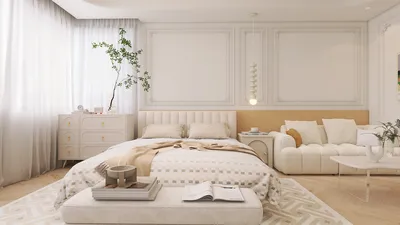


A past client once desired a counseling space that embodied a "quiet bunker" atmosphere while remaining welcoming. My initial reaction was to hide the door handle out of frustration. This somewhat disastrous request made me realize that smaller counseling rooms can lead to decisions that actually enhance care. It ultimately inspired me to create a transformative design for compact counseling areas that I constantly present to new clients. In this article, I’ll outline five practical strategies that are effective in confined spaces, including ideas that can be visualized using tools like Homestyler.
1. Soothing Colors and Layered Textures
I begin with selecting paints and textiles since they can dramatically affect the atmosphere. Choosing soft, muted colors with a variety of matte and textured fabrics can soothe nerves. However, be cautious — an overwhelming number of textures might create a cluttered look in a small area.
Budget tip: Implementing one accent wall and swapping out a few textiles (like a throw or curtains) can make a significant difference without straining your budget.
save pin
2. Versatile Seating and Subtle Zoning
Instead of opting for a bulky sofa and multiple chairs, I recommend using lightweight lounge chairs on wheels and a slender bench, allowing for quick rearrangement of the layout. This adaptability is beneficial for role-playing exercises, family sessions, or intimate one-on-one meetings, preventing the space from appearing fixed or overly staged.
A minor drawback: movable furniture requires storage when not in use, so it's wise to plan for a narrow closet or appropriate wall hooks.
save pin
3. Discreet Storage Solutions
It's essential that clients encounter a tranquil environment rather than a visible filing cabinet. Utilizing built-in cabinets with flush fronts, a tall narrow credenza, or vertical shelves can effectively keep materials hidden while maintaining an open flow. I often suggest using a 3D floor layout example in Homestyler to help visualize sightlines before construction begins.
The compromise: built-ins are typically more expensive initially but provide long-term savings in terms of time and visual tidiness.
save pin
4. Multifunctional Desk and Confidential Tech
In small offices, a desk that serves both as a workspace and a small counseling station is invaluable. I recommend selecting one with cable management features and a privacy screen for taking notes or during telehealth consultations. Don't overlook acoustic needs — considerations like rugs, wall panels, or a white noise device can help maintain confidentiality.
Quick solution: a slim, portable desk can provide privacy when necessary and easily be tucked away at other times.
save pin
5. Biophilic Elements and Sensory Areas
Incorporating greenery makes a significant impact: a potted plant, wood details, or a small water feature can help alleviate stress. I often reserve a corner for sensory items (like a soft throw, calming lamp, or tactile objects) that clients can interact with during their sessions.
Be pragmatic about upkeep — select low-light, low-maintenance plants and machine-washable textiles for durability, and use a proficient counseling office layout to position furniture around these elements.
save pin
FAQs
Q1: What are the essential features for a small counseling office?
Key elements include comfortable seating, effective sound control, discreet storage solutions, gentle lighting, and a design that maintains open space. Begin with these basics and gradually add personal touches.
Q2: How can I enhance sound privacy without spending much?
Incorporate thick rugs, utilize bookcases against shared walls, add heavy curtains, and include a white noise machine. These approaches are budget-friendly and significantly minimize overheard conversations.
Q3: Which colors are most suitable for therapy spaces?
Soft blues, warm greys, and gentle greens tend to evoke calmness and are unobtrusive. I typically avoid bright colors unless clients specifically prefer a more vibrant atmosphere for certain practices.
Q4: How should I select seating for various therapy styles?
Opt for modular seating that is adaptable: use small chairs for co-therapy, a loveseat for family discussions, and benches or ottomans for versatile options. Comfort and the ability to rearrange are critical.
Q5: Are plants appropriate in a counseling office?
Yes, provided that they are chosen wisely — select low-allergen, easy-care plants such as snake plants or pothos, and position them in locations that won’t impede movement. Real plants enhance wellbeing, but consider artificial options if maintenance is a concern.
Q6: How crucial is lighting design?
Lighting design is extremely important: layered lighting (ambient, task, accent) allows you to control mood and focus. Dimmable fixtures and soft, warm bulbs contribute to a welcoming environment.
Q7: What evidence-backed design suggestions exist for therapy spaces?
Research indicates that natural light, views of nature, and comfortable furnishings positively influence client outcomes and practitioner wellbeing. For detailed recommendations, refer to the American Psychological Association (APA): https://www.apa.org.
Q8: Can I implement these upgrades on a tight budget?
Definitely — focus first on paint, textiles, lighting, and decluttering. Making minor investments in storage and movable furniture can lead to substantial functional enhancements without the need for extensive renovations.
save pin
Homestyler is your go-to online home design platform. It offers an intuitive design tool, stunning 3D renderings, and a wealth of inspiring projects and DIY video tutorials, making it easy to transform your ideas into reality, regardless of your experience level.
今すぐ无料でデザイン
































