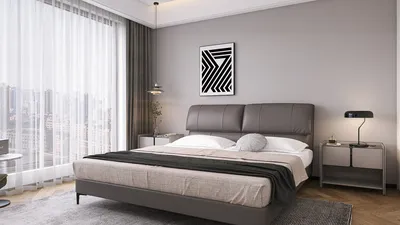


I once encountered a tenant who requested the incorporation of a home office, a play area, and a complete dining set into a Section 8 three-bedroom apartment, all while ensuring the unit remained renter-friendly. Initially, I found it amusing, but it quickly taught me the importance of thinking outside the box. Limited budgets and stringent rental regulations compel more intelligent decisions; I have witnessed how, with a few strategic adjustments, a modest three-bedroom can exude a sense of spaciousness. In this article, I will outline five practical design ideas that I have successfully implemented on a tight budget to elevate Section 8 three-bedroom homes into functional, resilient, and surprisingly chic environments. Small spaces inspire big concepts — let me share these insights with you using Homestyler as a resource for your planning.
1. Multi-purpose furniture arrangement in the living room
Consider incorporating a sofa bed or a modular sectional that can be rearranged for guests or family movie nights. I often specify durable performance fabrics with removable covers ideal for rentals; they are easy to sanitize while maintaining a modern aesthetic. Achieving a balance between comfort and tenant-proof materials is essential, but options like vinyl-wrapped wooden coffee tables and washable area rugs are both simple and effective solutions.
save pin
2. Entryway and hallway built-in storage solutions
Incorporating shallow built-in storage or wall-mounted cubbies in hallways can transform previously unused space into organized areas for shoes and coats. In one of my projects, I utilized open cubbies paired with labeled baskets — tenants appreciated the clarity of the system, and maintenance found the organized space helpful. Although it requires a higher initial investment compared to plastic bins, built-ins offer longevity and enhance usable space.
save pin
3. Kitchen design prioritizing durability and efficiency
Focus on a layout that optimizes counter space, and introduce a small, fixed breakfast bar if the floor plan permits. I frequently advise landlords on easy-to-repair laminate countertops and single-basin stainless steel sinks; these items are both durable and cost-effective. For spatial efficiency, a narrow rolling island can serve as extra prep space but may be difficult to navigate in very compact kitchens — always measure twice before making a purchase.
save pin
4. Creating designated zones in the master bedroom
In various Section 8 three-bedroom units, the master bedroom often doubles as either an office or a nursery. I have implemented low partitions, bookcase dividers, or curtain tracks to delineate separate areas without constructing walls. This approach is cost-effective and friendly to renters, although landlords should be aware of regulations regarding semi-permanent fixtures. For room layout inspiration, I sometimes utilize Homestyler's room planner to visualize circulation and clearances.
save pin
5. Upgrading the bathroom with durable, premium materials
Replace grout-heavy tiles with large-format porcelain and integrate a fiberglass tub surround for effortless cleaning. Minor enhancements such as a thermostatic shower valve and effective ventilation can elevate the perceived quality of bathrooms for tenants while minimizing maintenance issues. Although high-quality fixtures may entail a greater initial cost, they significantly reduce service requests and turnover tasks in the long run.
save pin
FAQ
Q1: What’s the most affordable improvement for a 3-bedroom Section 8 property?
A1: Enhancing storage options and installing durable flooring typically yield the highest return on investment — they boost perceived value while reducing wear and tear. I recommend waterproof vinyl plank flooring for rental properties.
Q2: How can I enhance the functionality of a compact kitchen?
A2: Expand vertical storage, add a small rolling island if the layout allows, and select appliances suited to the space. Maintaining clear sightlines can create an illusion of a larger kitchen.
Q3: Are tenants allowed to install fixtures like curtain dividers?
A3: Tenants should obtain written permission from landlords; landlords may allow non-permanent, tenant-friendly alterations that improve livability. It’s crucial to keep documentation of approvals.
Q4: How can I minimize maintenance expenses in a Section 8 rental property?
A4: Specify enduring finishes (such as performance fabrics, vinyl plank flooring, and large porcelain tiles) and select fixtures that are easy to maintain or replace. Preventative upgrades can save costs over time.
Q5: What design modifications assist in passing Section 8 inspections?
A5: Ensure that safety features (working smoke detectors, secure locks, absence of exposed wiring) are in place, and keep kitchens and bathrooms sanitary and operational. Local inspection requirements can vary, so check your specific jurisdiction.
Q6: Can minor aesthetic upgrades boost tenant satisfaction?
A6: Absolutely — a fresh coat of neutral paint, improved lighting, and quality hardware can make a significant impact without incurring substantial costs. Small aesthetic improvements lead to higher tenant retention.
Q7: Where can I experiment with furniture layouts prior to purchasing?
A7: I frequently create straightforward layouts using a 3D floor planner like Homestyler to evaluate clearances and sightlines before making purchases. This approach helps to avoid expensive errors and accelerates decision-making.
Q8: Are there reliable resources for rental property standards?
A8: Yes — the U.S. Department of Housing and Urban Development (HUD) publishes housing quality standards referenced by numerous programs. Relying on HUD’s guidelines supports compliance assurance.
save pin
Homestyler is your go-to online home design platform! With its user-friendly design tool, stunning 3D renderings, and a wealth of DIY video tutorials, you can effortlessly create and visualize your dream space. Dive into inspiring design projects and unleash your creativity today!
Design Now for FREE
































