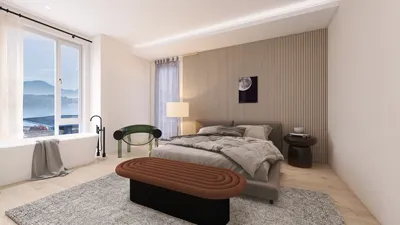


I have successfully reimagined several "problem" pillars into striking focal points within spaces. These structural elements can enhance circulation, organize furniture arrangements, hide services, improve sound quality, and bring genuine character to an area when designed thoughtfully. The secret lies in harmonizing aesthetics with performance metrics—considering lighting intensity, ergonomic spacing, sound management, and the natural flow of activity—transforming pillars from mere decor to strategic components of design. Utilizing tools like Homestyler can aid in visualizing these enhancements.
Utilizing data as a foundation is essential. The WELL v2 framework recommends ambient office lighting to be between 300–500 lux, supplemented by task lighting, which influences how we approach illuminated columns and surrounding work areas. Steelcase's research indicates a strong correlation between posture variation and the proximity to natural elements, suggesting that incorporating textures or integrating plants into a column can enrich micro-restorative experiences adjacent to seating arrangements. Adhering to IES standards is crucial for glare control, especially if the pillar incorporates integrated lighting solutions. These guidelines ensure that innovative designs remain aligned with user comfort.
From a behavioral standpoint, Herman Miller's workplace analyses reveal that well-defined nodes facilitate navigation and encourage collaboration. Pillars naturally act as these nodes. By equipping a column with power outlets, seating options, or writable surfaces, it transitions from being a barrier to a gathering point. Establishing spatial rhythm with alternating solids and voids can guide movement and visibility, particularly in open-plan layouts where boundaries are less pronounced.
Reconceiving the Pillar as a Multifunctional Core
I typically begin the process by transforming a pillar into a multifunctional spine: integrating power outlets, USB-C ports, and wireless charging on standing-height surfaces (105–110 cm). A slim bag hook can be placed below to add utility. This redefines the column's purpose, minimizing cable clutter. Implementing a protective base design with a radius of 60–80 cm ensures convenient traffic flow while complying with ADA requirements for access.
Layered Cladding: Enhancing Texture, Sound, and Sustainability
Cladding can serve more than just concealing concrete. Utilizing removable acoustic panels (NRC 0.7–0.9) can help reduce sound reflection in open spaces; options like perforated wood with mineral wool backing offer durability. For eco-friendliness, consider using FSC-certified wood or recycled PET felt. A subtly ribbed surface can introduce vertical patterns and cast shadows. If the space experiences flutter echo, wrap only the quadrant facing the sound source with a material of higher NRC, while leaving the opposite side reflective to maintain energy in the room.
Integrated Lighting Without Glare
Light can beautifully highlight a pillar—ensuring glare and brightness ratios are considered. Vertical lighting set at 100–200 lux along the column aids in spatial orientation. Indirect uplighting coves or hidden linear LEDs placed behind a 70–80% transmission diffuser can enhance illumination while keeping glare levels comfortable. If the pillar defines a reading area, incorporating a warm task light (2700–3000K) is recommended, while maintaining the immediate surface at roughly 500 lux as per IES standards. Emphasizing health, refer to WELL guidelines for lighting that supports circadian rhythms alongside adequate daytime brightness levels in WELL v2.
Color Psychology: From Monolith to Mood Enhancer
Color has the power to influence the perception of mass. In compact spaces, mid-to-dark cool shades (such as steel blue or low-gloss charcoal) can visually elongate a column, while warmer hues can draw it forward as a design element. Research from Verywell Mind suggests that blue tones are often calming and enhance focus, whereas green shades foster a sense of restoration—ideal for pillars located near workstations or relaxation areas. A two-tone split design with a narrow brass inlay can also elevate vertical perception, adding sophistication without bulkiness.
Furniture Arrangement and Circulation Optimization
A pillar can effectively anchor asymmetric furniture layouts: position a sectional sofa 30–45 cm from the column, angle the coffee table to align with primary sightlines, and use the column to support a small book ledge in front of seating. Ensure clear pathways maintain a minimum width of 90 cm, extending to 120 cm in high-traffic areas. Tools such as an interior layout planner, like Homestyler, are invaluable for validating clearances, perspectives, and dimensions before finalizing design decisions.
Display and Storage Solutions Skillfully Integrated with Structure
Shallow, wrap-around shelving (15–20 cm depth) can transform a column into an elegant display area for items like vinyl records, ceramics, or greenery. Ensure anti-tip frameworks are fastened to the structural core and design the lowest shelf with a chamfer to minimize foot obstruction. In kitchen settings, consider a semi-wrap pantry on one side and a wine storage nook on the opposite, using the column as a visual separator while maintaining open traffic paths.
Biophilic Integration: Vertical Greenery and Natural Materials
Incorporating biophilic aspects near the pillar enhances comfort and encourages micro-breaks. A modular trellis featuring hardy plant species (like pothos or philodendron), paired with low-maintenance irrigation, can gracefully envelop a column without causing moisture damage. Balancing greenery with natural materials—such as limewash, honed stone, or oiled oak—will create an organic feel for the pillar rather than merely ornamental.
Acoustic Barriers and Partial Enclosures
In busy living areas or open offices, a column can support a semi-circular acoustic screen (with a radius of 60–90 cm) to obstruct the most disruptive noises. Materials like PET felt or micro-perforated wood achieve a balance of sound absorption and aesthetic appeal. This design transforms an otherwise unused corner into a quiet retreat featuring a reading chair and lamp, enhancing the space's functionality.
Technological Integration: Power, Sensors, and Cable Management
To maintain a tidy and organized appearance, conceal vertical cables within a removable service channel equipped with flush-access doors. Consider integrating occupancy or ambient light sensors that adjust lighting loads according to room usage. Power outlets should be placed at a maximum height of 120 cm for seated users and between 100–110 cm for standing users, in line with ergonomic guidelines. Ensure ventilation routes remain open if AV equipment is concealed within the column.
Material Strategies Across Various Styles
For modern minimalism, consider using microcement with rounded edges and concealed LED lighting. For an industrial approach, opt for blackened steel features, riveted details, and reclaimed wood accents. A classic style may include fluted wood materials paired with stone bases, proportioned approximately 1:8 to the column's height. Coastal designs benefit from limewash finishes and rope-wrapped accents. Across all styles, monitor finishes closely—high gloss surfaces highlight imperfections, while matte finishes reduce glare and disperse light effectively.
Proportion, Rhythm, and Alignment Considerations
Utilize alignment cues from ceiling beams or window frames to guide column detailing. A simple principle is to align vertical elements with nearby window spacing to minimize visual chaos. In settings with multiple columns, vary detailing subtly—such as one featuring lighting while another incorporates shelving—while maintaining a cohesive base and cap design to create visual rhythm.
Strategies for Small Spaces
In smaller apartments, aim for a lighter visual impact around columns by using thin shelving, a monochromatic color palette, and integrated mirrors to expand sightlines. Avoid deep wraps that hinder circulation. Position furniture so the column serves as a backstop for a narrow desk or café table, offering functionality without adding clutter.
Execution Guidelines
Prior to cladding, verify any structural limitations and penetration rules. Always opt for fire-rated assemblies when necessary, uphold egress clearances, and design for accessible removal for inspections. Mock up lighting to analyze glare and shadow impacts. Capture the space in photos at different times of day, as columns can appear differently according to lighting changes in the morning or evening.
Frequently Asked Questions
Implement indirect or shielded linear LEDs with diffusers, ensuring you verify luminance ratios with adjacent surfaces, while adhering to comfortable glare standards set by IES. Test everything on-site before finalizing your design decisions.
Maintain a minimum clearance of 90 cm for general circulation, increasing to 120 cm for high-traffic paths. If incorporating ledges, bevel the edges to prevent knee contact.
Certainly. You can wrap one quadrant with high-NRC acoustic materials or incorporate a semi-circular screen to obstruct direct noise pathways, effectively minimizing flutter echo in open spaces.
Cool, darker neutral shades with matte finishes can visually reduce mass, while warm, vibrant colors can draw attention to the column as a feature—apply them thoughtfully for maximum effect.
Route cables through an internal service channel utilizing flush-access doors, ensuring the placement of outlets at ergonomically suitable heights of 100–120 cm, and discreetly aligning grommets with millwork seams.
Consider adding shallow wrap shelving for books and decor, plus incorporating a small ledge with charging capabilities, directing seating arrangements to cultivate a peaceful micro-zone.
Absolutely. Introducing a modular trellis or plant shelves adjacent to the column, complemented by natural materials like limewash or timber, creates a calming focal point.
Ensure your materials reflect the overarching design theme; use elements like microcement for minimal styles, blackened steel with timber for industrial looks, or fluted wood with stone for classic finishes. Keep sheen minimal to combat glare.
In versatile spaces, yes—the addition of occupancy and ambient light sensors optimizes energy use and enhances comfort, especially if paired with dimmable lighting features.
Use a layout tool, like Homestyler, to simulate circulation flow, clearance requirements, and sightlines; then use tape and cardboard to visualize scale before finalizing your space arrangement.


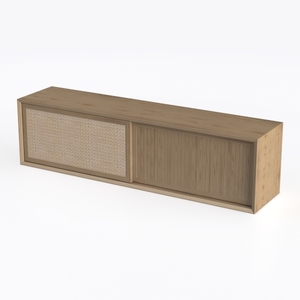
Minimalist Oak Rattan TV Cabinet 3D Model
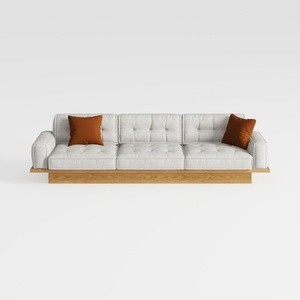
Modern Solid Wood Frame Tufted Fabric Three Seat Sofa 3D Model
Homestyler is your go-to platform for transforming your interior design dreams into reality. With its easy-to-use online design tool, stunning 3D renderings, and inspiring DIY video tutorials, anyone can create beautiful spaces—no experience necessary! Explore your creativity today!
Progetta ora GRATIS
































